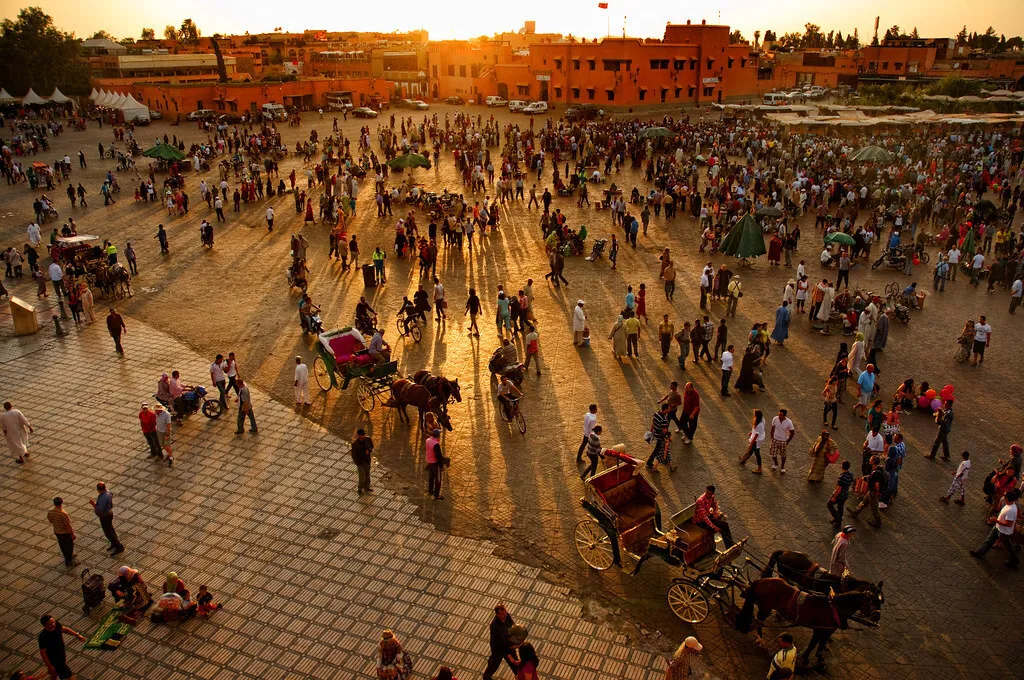

Embracing Democracy and Architecture's Role
On the International Day of Democracy, we reflect on the profound ways in which architecture shapes our social interactions and reinforces the principles of equity and inclusion. Architecture is not merely the art of constructing buildings; it embodies the aspirations and values of a society. In the context of democracy, architectural spaces serve as a stage for civic engagement, fostering encounters among diverse communities and promoting dialogue. By designing public spaces that are accessible and inviting, architects can contribute to a culture of openness and participation, which is essential for the functioning of a healthy democracy.
The Symbolic Power of Architectural Design
Architectural design possesses a unique symbolic power to reflect and influence societal values. The spaces we inhabit can either reinforce existing power structures or challenge them by promoting equity and social justice. For instance, public squares and community centers can become hubs for democratic participation, where citizens gather to express their opinions, engage in discussions, and collaborate on solutions to shared challenges. By prioritizing inclusivity in design, architects can help dismantle barriers and create environments that are welcoming to all, thus reinforcing democracy's foundational principle that every voice counts. As we celebrate democracy, let us recognize the vital role architecture plays in shaping an equitable society.
As reported by archdaily.com.