
Milestone Achievement in Robotic Surgery Education
The Mohammed VI Interventional Simulation and Robotic Surgery School (M6-ISRSS) recently held a graduation ceremony at the Mohammed VI University of Health Sciences in Casablanca, celebrating the remarkable achievement of surgeons and operating room nurses who completed their training in robotic surgery during the year 2026. This event marked a significant milestone as it represented the first graduating cohort of the University Diploma in Robotic Surgery. Initiated on January 26, 2026, this innovative training program was designed to enhance the skills of healthcare professionals in robotic-assisted surgical techniques, effectively combining theoretical knowledge, practical experience, and simulation exercises.
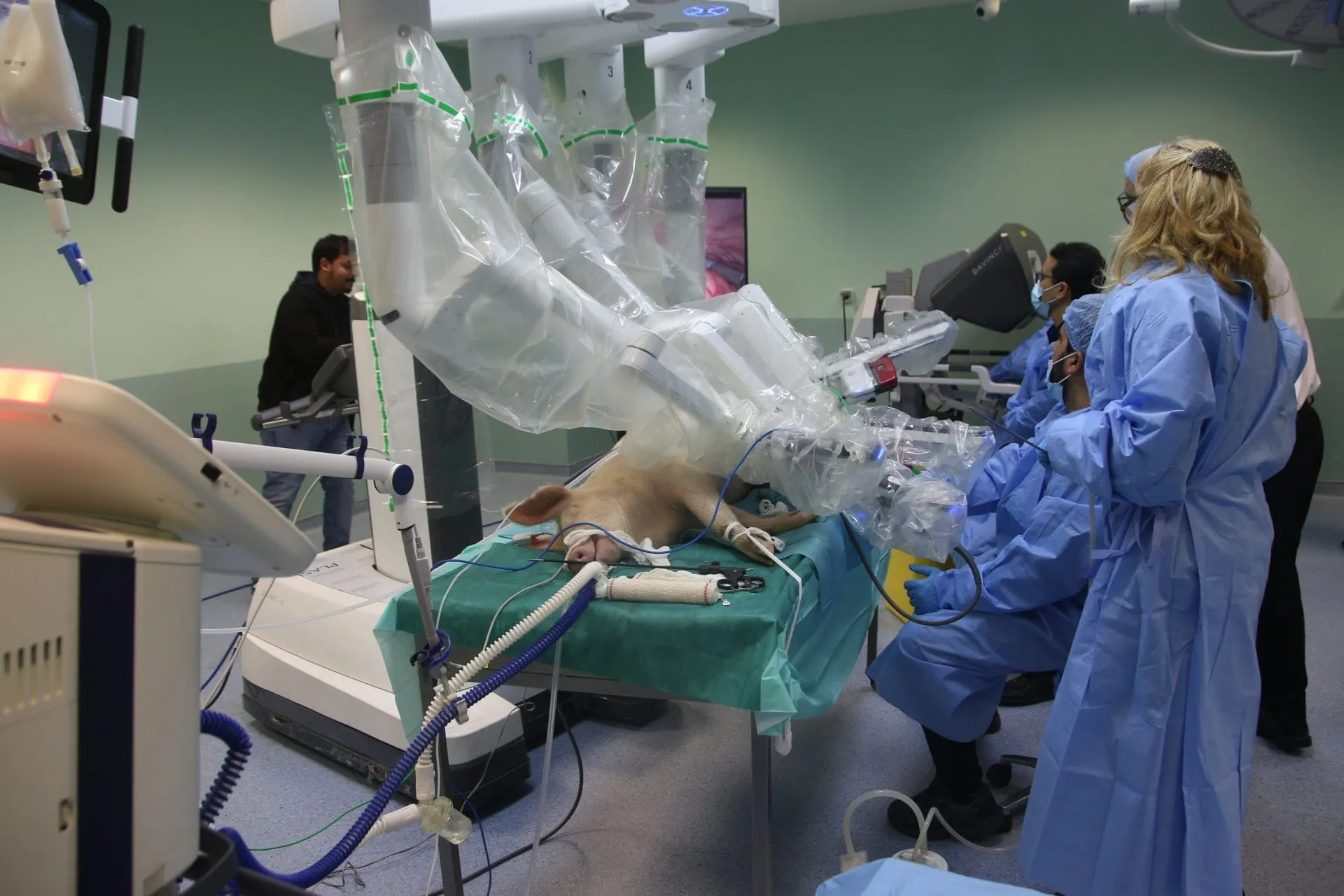
The M6-ISRSS boasts state-of-the-art educational facilities, which include advanced simulation equipment, two dedicated training robots, augmented reality platforms, and various units focused on interventional disciplines. During the ceremony, Mohammed Chahbouni, the director of the International Mohammed VI Center for Simulation in Health Sciences, emphasized the importance of this educational initiative in fostering the skills of healthcare professionals and supporting the advancement of robotic surgery in Morocco. He noted that over 60 Moroccan and African surgeons and nurses benefited from this training, significantly contributing to the national skill development in this cutting-edge medical field.
Emphasizing the Role of Simulation in Surgical Training
Jacques Hubert, a renowned urologist and emeritus professor at the University of Lorraine, highlighted the critical role that training and simulation play in helping healthcare professionals master robotic technologies. He explained that robotic-assisted surgery requires specific preparation and a gradual learning process, allowing surgeons and operating room teams to familiarize themselves with the various steps of surgical interventions in a controlled environment before applying their skills in real clinical settings. Hubert asserted that such training programs are vital for enhancing surgical quality and patient safety, emphasizing the need for tailored educational initiatives that support the gradual integration of robotic surgery across different medical specialties.
Additionally, Soufiane Essamoud, an assistant professor in pediatric surgery and a graduate of the program, shared his positive experiences from the training, underscoring its impact on his professional practice. He particularly noted how the program enhanced his understanding and mastery of new technologies applied in surgery, demonstrating the significance of simulation and hands-on training in acquiring new competencies and preparing professionals for the use of robotic systems.
As reported by lebrief.ma.