
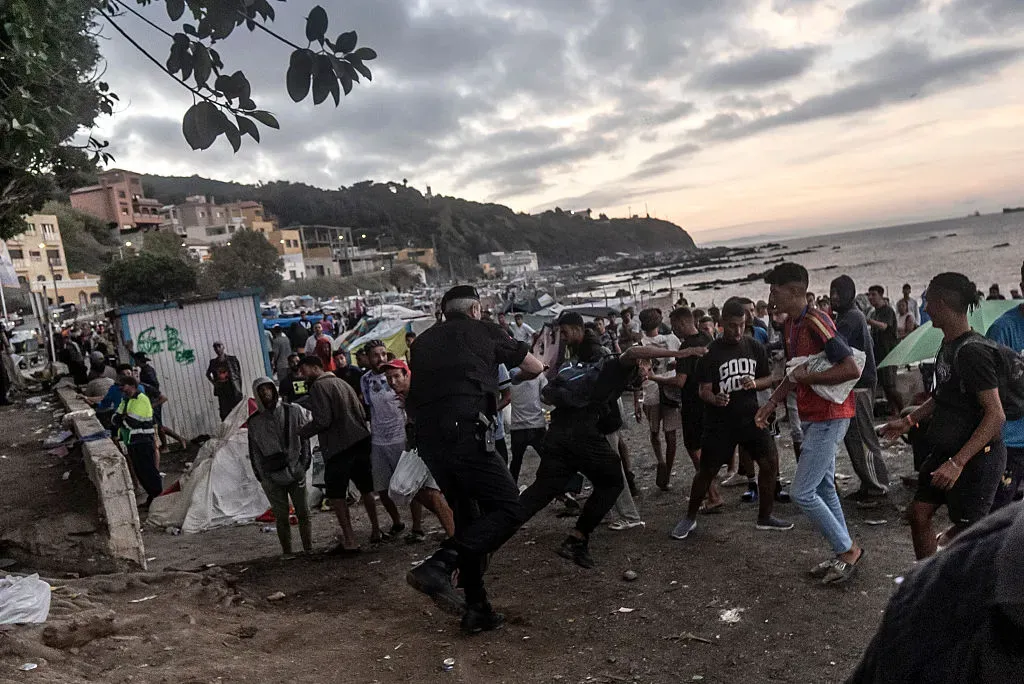

Ceuta Faces a Migrant Dilemma
In recent weeks, Ceuta, a small Spanish exclave located in North Africa, has been at the center of a significant migrant crisis. The situation intensified nearly nine weeks ago when tens of thousands of migrants crossed the Moroccan border into this territory, which is home to just 83,000 residents. While many returned to Morocco within days, the number of those who chose to stay has raised considerable concern. Spanish officials initially estimated that around 5,000 migrants remained, but current figures suggest that this number has surged to approximately 20,000, with the latest update indicating around 18,000 migrants still present in Ceuta.
Amidst this crisis, alarming incidents have surfaced, including the recent arrest of two Moroccan men in connection with the alleged rape of a 17-year-old girl at a makeshift settlement on Trampolín Beach. The Spanish authorities have struggled to accurately assess the number of migrants remaining in Ceuta, as evidenced by the discovery of a hidden settlement in old military tunnels, which had previously gone unnoticed. Additionally, police have identified over a hundred young migrants living in makeshift conditions around an abandoned industrial site and along the rocky shoreline, representing just a fraction of the problem. Child welfare officials estimate that at least 600 unaccompanied minors are still living in precarious situations, either on the streets or hidden in the hills and neighborhoods of Ceuta.
Spain's Response and Ongoing Challenges
In the wake of this humanitarian crisis, Spanish Prime Minister Pedro Sánchez initially defended his government’s decision to accommodate the influx of migrants as a compassionate response. However, as the situation evolved, the government recognized the urgent need to expedite the process of returning migrants to Morocco. Plans are underway to pass emergency legislation that would facilitate the repatriation of some asylum seekers before their claims are fully processed.
Morocco has expressed its readiness to accept its nationals back and has criticized Spain for the delays in processing migrants and asylum applications. The proposed changes aim to eliminate legal and bureaucratic hurdles that have previously hindered the swift return of migrants, which could potentially reduce the backlog. Meanwhile, the Spanish government claims that nearly 8,000 migrants have voluntarily returned to Morocco since August 10, despite police reports suggesting that the actual number of daily voluntary returns is significantly lower, averaging around 60 individuals.
Many migrants have faced harsh living conditions, relying on shelters made from plastic sheets and reeds while dependent on charities for sustenance. As the rainy season begins, these makeshift shelters have been soaked, prompting some to reconsider their decision to remain in Ceuta. In a bid to alleviate the crisis, Madrid is working to transition remaining migrants into reception centers that offer beds, meals, and washing facilities, making the option to stay in Ceuta more appealing.
Efforts to relocate migrants within Ceuta have proven difficult, as evidenced by recent police operations to clear out settlements around Benítez Beach. Many individuals who were moved to temporary accommodations fled back to the hills, fearing deportation to Morocco. Prime Minister Sánchez has set an ambitious goal to stabilize the situation by the end of the year, echoing sentiments of urgency and compassion as Madrid grapples with the complexities of this ongoing crisis.
As reported by spectator.com.
