
Increased Security Measures in Ceuta Amid Migrant Rumors
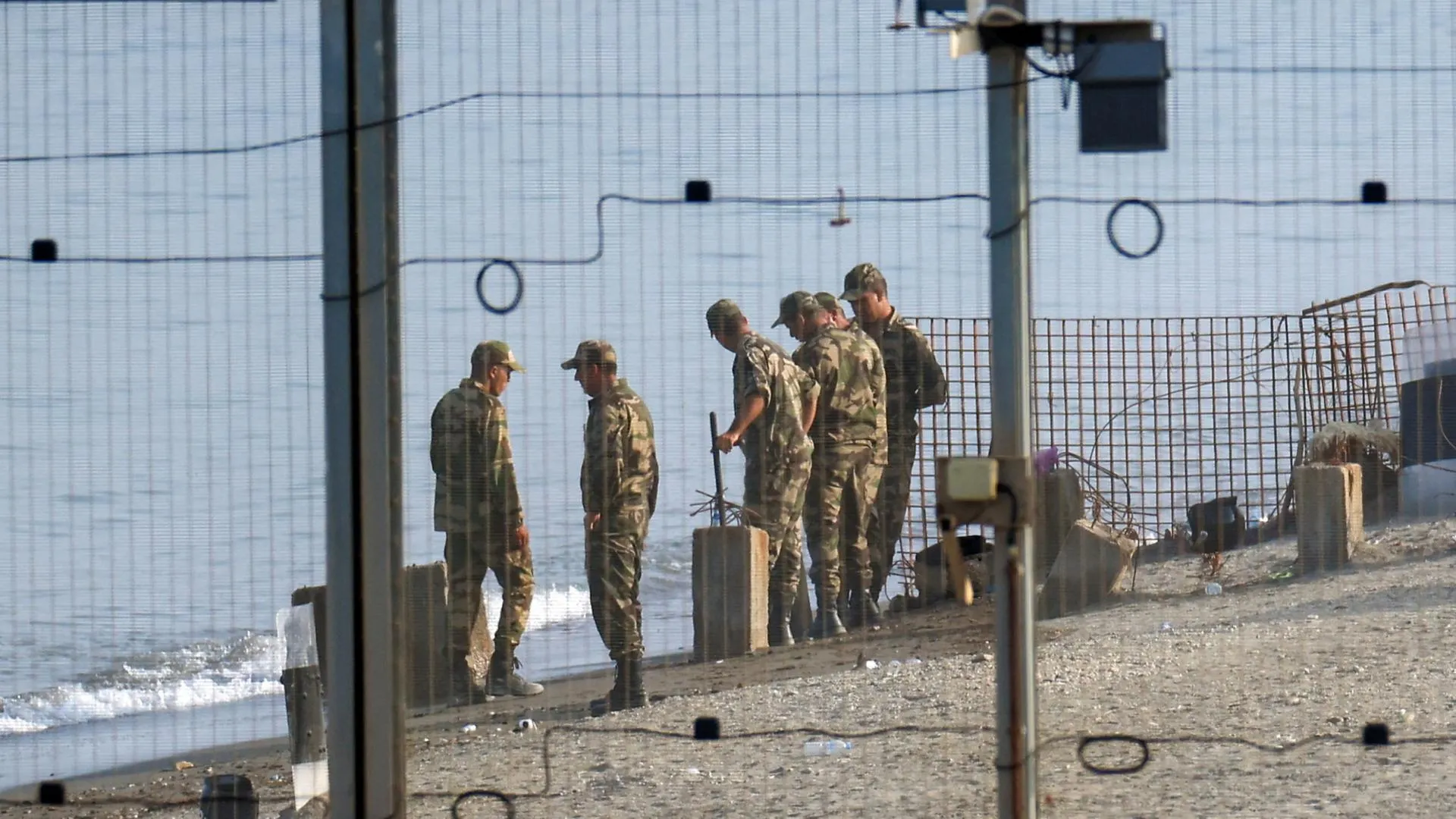
The streets of Ceuta are teeming with a significant police presence as both Spain and Morocco prepare for a possible new wave of migrants. Military personnel have been called back from vacation, and barbed-wire fences have been reinforced in anticipation of an influx of individuals attempting to cross the border. This heightened alert is largely attributed to false rumors circulating on social media that claim the border to Ceuta will be "open" on August 15, a public holiday in Spain.
Authorities from both Spain and Morocco are determined to prevent a repeat of the chaotic scenes witnessed on July 30 and 31, when over 70,000 migrants arrived in Ceuta, with more than 80 individuals tragically losing their lives during their perilous journey, most of whom drowned. In response to these events, the Spanish Interior Minister, Fernando Grande-Marlaska, has reported that the National Police's personnel in Ceuta has been increased to nearly 900, a rise of almost 300 officers compared to the end of July.
Heightened Vigilance and Ongoing Migration Crisis
The current situation has sparked disputes within the EU regarding the handling of the Ceuta crisis, with discussions among interior ministers aimed at drawing lessons from recent events. Alongside local police forces, more than 700 members of the Guardia Civil are actively deployed in Ceuta, with military forces also reassigned to enhance security. On the Moroccan side of the border, the town of Fnideq has turned into a fortified zone, with hundreds of security personnel and military troops on alert. The Moroccan authorities have strengthened barbed-wire and fencing, and patrol boats are actively monitoring the coastal areas, while vehicles equipped with water cannons stand ready at the border.
As the migration crisis enters its third week, thousands of individuals, including many children and adolescents, remain stranded in Ceuta, seeking political asylum and refuge from conflict zones. There is a significant disparity in the estimates of those currently in Ceuta; while the Spanish government approximates the number to be around 5,000, the regional president of Ceuta claims it could be as high as 12,000. This situation continues to evolve as authorities implement stringent measures to manage the humanitarian and security challenges posed by the ongoing migrant crisis.
As reported by tagesschau.de.