
Ceuta Council Votes to Dismiss Anti-Morocco Proposal
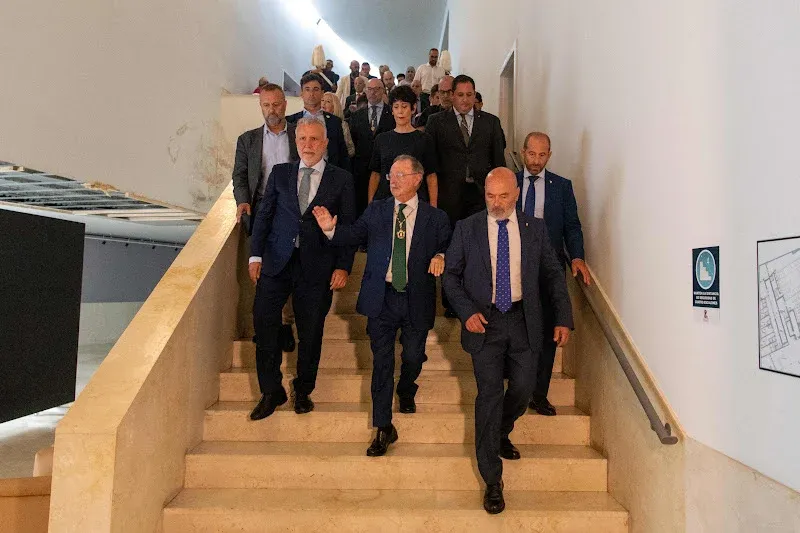
In a significant political move, the City Council of the occupied Ceuta rejected a proposal put forward by Juan Sergio Redondo, the spokesperson for the far-right Vox party, during its general session held on Tuesday. This proposal, which aimed to assert what Redondo termed "defense of Spanish sovereignty," faced robust opposition, as 17 council members voted against it while only four supported it. The rejection of this proposal underscores the complexities surrounding the political landscape of Ceuta and its relationship with Morocco.
The proposal was a direct response to recent statements made by Moroccan government officials regarding the occupied cities of Ceuta and Melilla. The Vox party expressed concerns over what they perceived as Moroccan claims related to historical and geographical rights over these territories. Redondo's proposal included a series of measures aimed at intensifying Spain's stance towards Morocco, particularly regarding bilateral relations and military presence in the two cities. Among the measures suggested was a demand for the Spanish government to publicly call on Morocco to respect Spanish sovereignty and territorial integrity, while simultaneously reinforcing military and security forces in Ceuta and Melilla.
In addition to security measures, the Vox party called for the suspension of the friendship treaty between Spain and Morocco, advocating for a reevaluation of various cooperation mechanisms that exist between the two nations. They also proposed that Madrid take action within the European Union to revise certain agreements and aid directed towards Morocco. On the diplomatic front, the party suggested escalatory steps towards Morocco, such as summoning the Moroccan ambassador to Spain and recalling the Spanish ambassador from Morocco for consultations, with the possibility of withdrawing the ambassador entirely if the immigration crisis persists.
The Ceuta Council's vote effectively shelved the proposal that combined security, diplomatic, and economic measures, amidst ongoing discussions in Spain regarding the political status of the occupied cities. This situation continues to attract attention from political factions advocating for a firmer stance against Morocco, highlighting the delicate balance of power and the intricate nature of Spanish-Moroccan relations.
As reported by hespress.com.