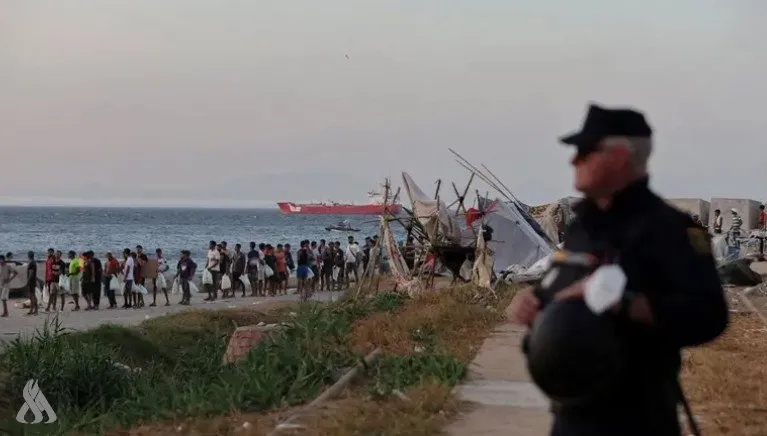
Ceuta Sees Significant Migrant Returns
In a significant development regarding the ongoing migrant crisis in Ceuta, the Spanish government has reported that over 5,300 migrants who had remained in the enclave following a massive influx in July have returned to Morocco within just one month. This announcement was made on September 13, 2026, highlighting the ongoing challenges faced by authorities in managing the situation.
Angel Victor Torres, the minister responsible for addressing the government's response, shared via social media that a total of 5,321 individuals voluntarily returned to Morocco since August 10. This situation arises from a peak in July, during which more than 70,000 individuals crossed into the Spanish enclave, triggering a humanitarian and logistical crisis.
Critics have raised concerns regarding the speed at which these migrants are being repatriated from Ceuta, a small Spanish territory in North Africa measuring just 18.5 square kilometers and home to approximately 80,000 residents. The pressure is mounting on Prime Minister Pedro Sanchez as the nation approaches elections next year, with the handling of this crisis becoming a contentious issue.
It is noteworthy that while the majority of the more than 70,000 migrants who entered Ceuta returned to Morocco shortly after their arrival, several thousand chose to stay, leading to a deterioration of conditions in the enclave. This has resulted in episodes of violence and daily protests from the local population, who are demanding a return to normalcy.
The Response to the Migrant Crisis
The government has been tasked with identifying those migrants who have remained for an extended period to determine their eligibility for asylum. This process has been complicated by the presence of unaccompanied minors, who cannot be expelled without proper legal proceedings. Reports indicate that around ninety individuals have "renounced" their applications for international protection, while nearly 1,000 migrants are currently in the process of being registered to finalize their legal status.
This unfolding situation highlights the complexities and human challenges of migration, particularly in regions like Ceuta, where geopolitical tensions and humanitarian needs intersect. The Spanish government continues to navigate these challenges as it seeks to balance the needs of migrants with the concerns of local residents and the broader implications for national policy.
As reported by ouest-france.fr.