
Political Turmoil and Migrant Influx in Ceuta
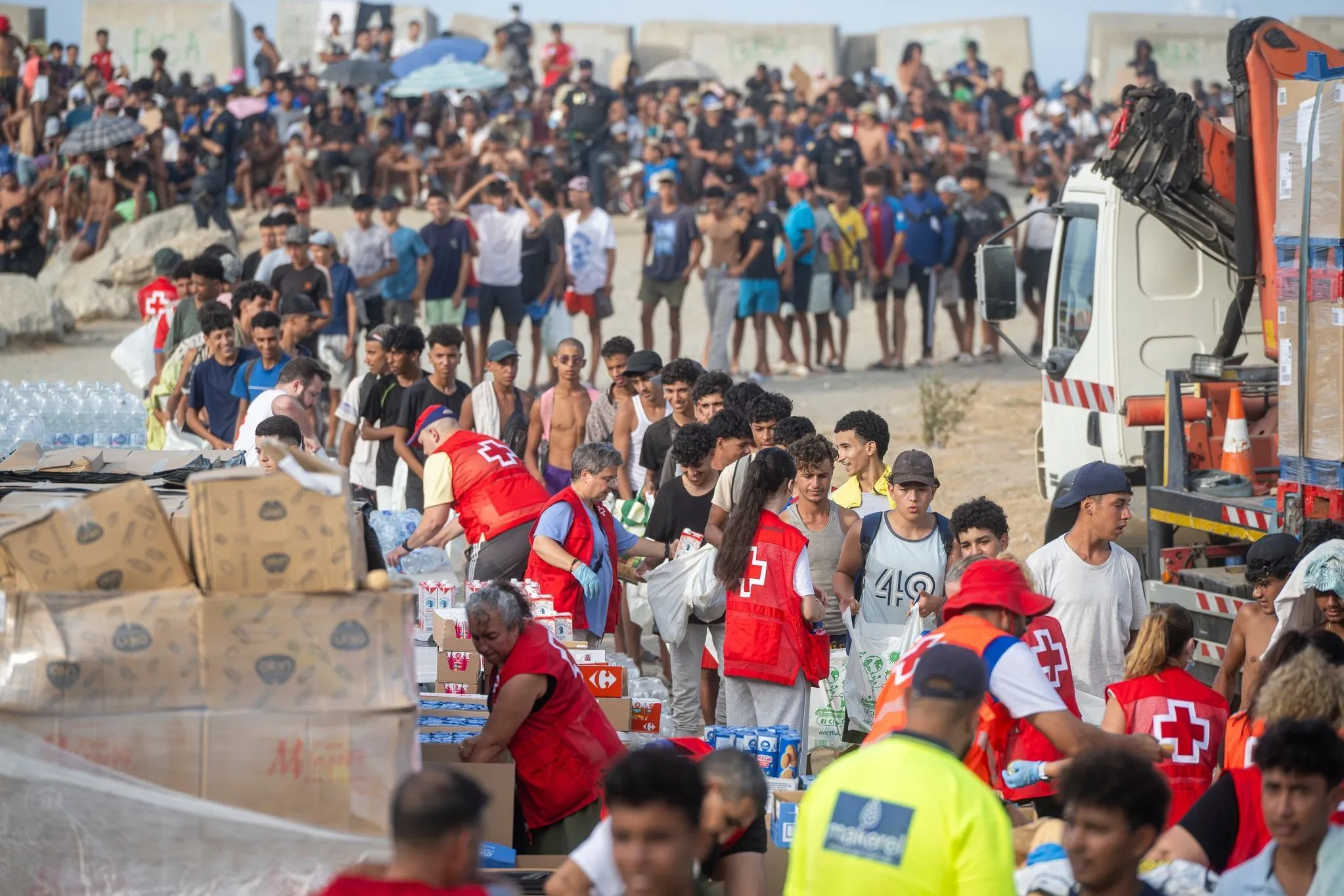
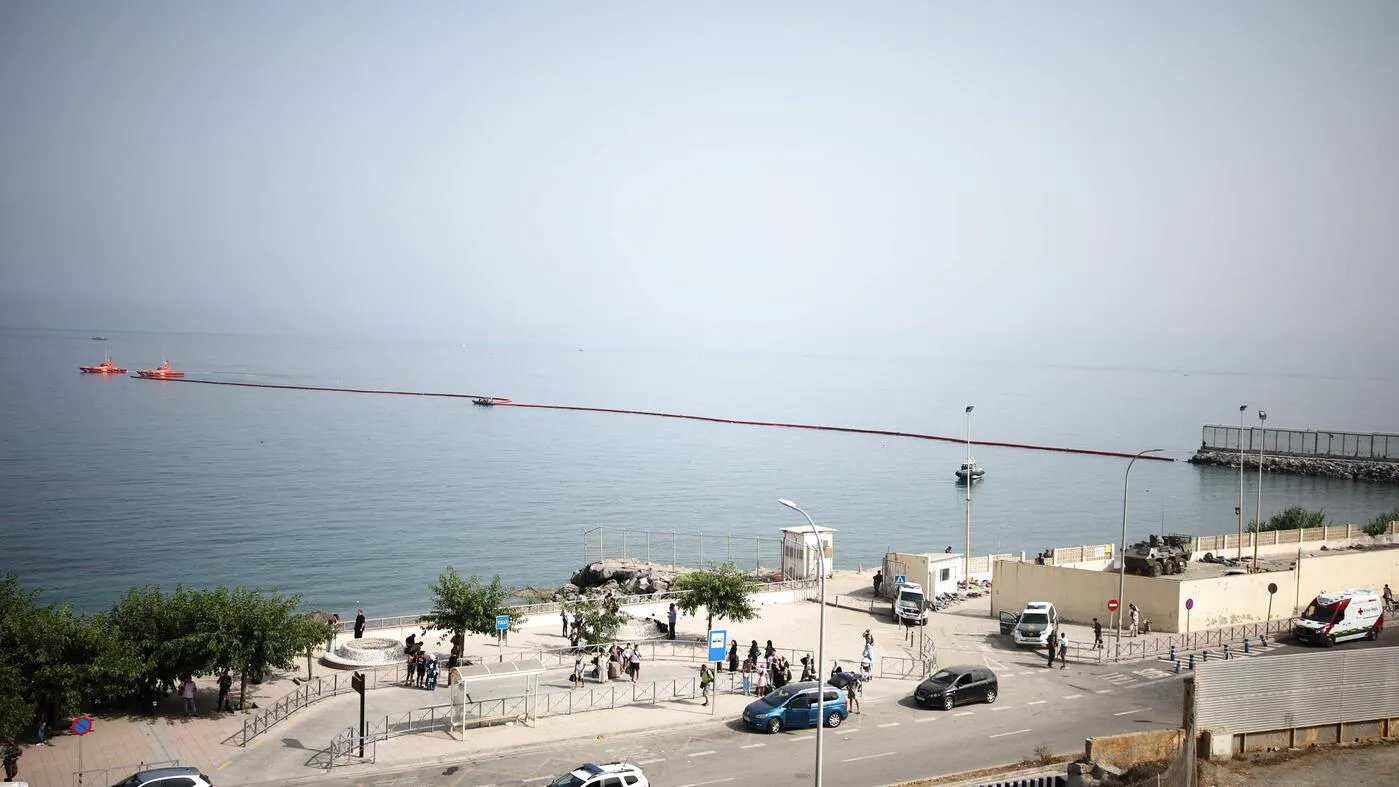
The recent surge of tens of thousands of migrants to the Spanish enclave of Ceuta has seen a significant number return to Morocco. This influx has sparked political turmoil at the EU level, prompting urgent discussions regarding border control and immigration policy. In response to the situation, Spanish authorities installed a 500-meter floating barrier between the Moroccan coast and Tarajal beach in Ceuta on Saturday. This barrier, alongside buoys from the Spanish Navy, aims to enhance the control and surveillance of the coastline.
Returning to a semblance of normalcy, the situation in Ceuta has improved, with nearly all of the approximately 50,000 to 60,000 individuals who crossed from Morocco now back in their homeland. According to the Spanish government, this return was voluntary, as the prospects for further migration had diminished significantly. Ceuta, with a population of less than 85,000, faced challenges in providing adequate shelter and resources for the sudden influx of migrants.
EU Response and Call for Enhanced Border Protection
German Foreign Minister Johann Wadephul has called upon the European Commission to prioritize the protection of the EU's external borders in light of the recent crisis, which he described as a significant stress test that Europe has successfully navigated. Wadephul emphasized the vulnerabilities exposed by the situation in Ceuta and stressed the necessity for the EU to prioritize border security to safeguard the Schengen system, which allows for free movement across EU internal borders. He also highlighted the importance of promptly addressing misinformation that jeopardizes lives, as reports indicated that at least 67 individuals perished while attempting to reach Ceuta, many of whom drowned after misleading messages circulated on social media claiming that the Spanish border was open.
The crisis has prompted several European leaders to express their concerns through an open letter, indirectly criticizing Madrid for its recent policy decisions that may have sent unintended signals to potential migrants. The letter specifically criticized Spain's move to legalize around 500,000 irregular migrants in an effort to address labor shortages, suggesting that such actions could incentivize further migration. The signatories of the letter urged the current EU Council presidency to convene an extraordinary video conference of interior ministers to discuss the ongoing crisis, which is now scheduled for Tuesday.
Spanish Prime Minister Pedro Sánchez has echoed these sentiments, calling for a digital meeting of all 27 EU member states' interior ministers in response to the ongoing criticism of Spain's handling of the migration crisis. In his correspondence with Irish Prime Minister Micheál Martin, Sánchez expressed concerns over some member states' attitudes during the Ceuta crisis, stating that such reactions—driven by prejudice, misinformation, ignorance, or political interests—contradict European law and humanitarian principles while undermining the long-term interests of Europe.
As reported by tagesspiegel.de.