
Ceuta Crisis Fuels Political Tensions in Spain
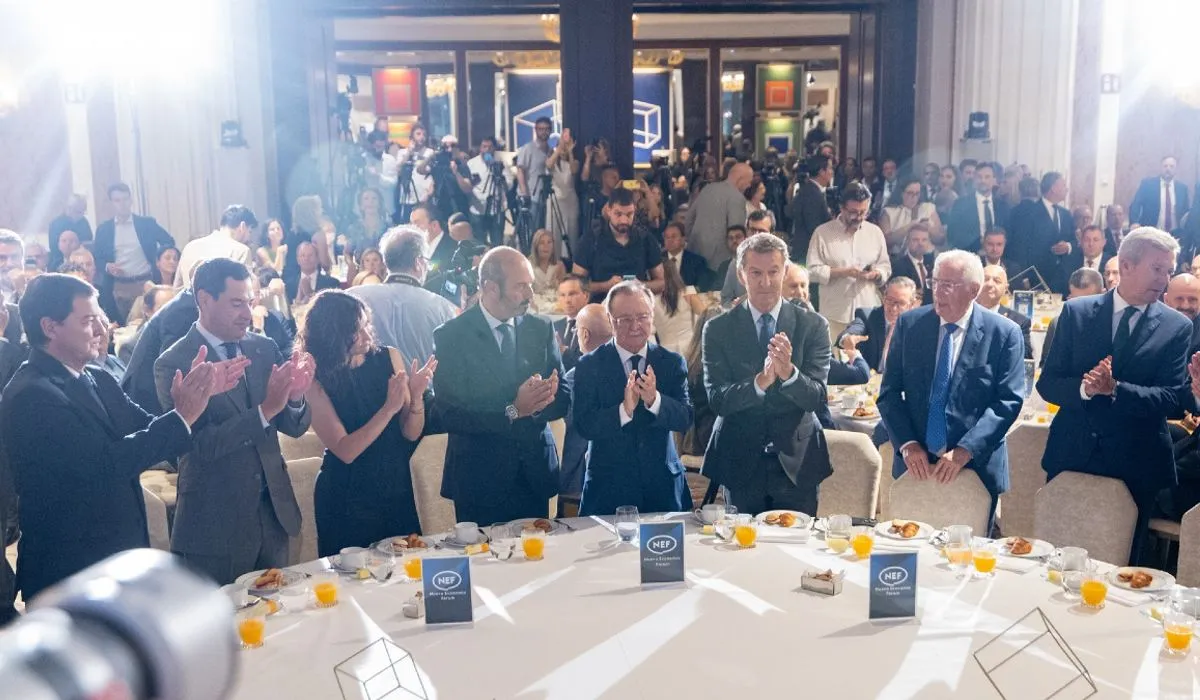
The recent visit of Juan Jesús Vivas, the President of Ceuta, to Madrid for the Nueva Economía Fórum has ignited significant discussions among the leaders of Spain's People's Party (PP). This gathering highlighted a growing unity among regional leaders, including Alberto Núñez Feijóo, as they rallied around Vivas and his critical stance towards the government's handling of recent immigration crises. The backdrop of this political moment is characterized by the unprecedented arrival of approximately 80,000 Moroccan immigrants into Ceuta, an event that has galvanized the PP to prioritize the defense of the people in the autonomous city.
In the wake of these developments, various influential figures within the PP are advocating for a more assertive foreign policy concerning Morocco. While the party's headquarters in Génova appears to favor maintaining a measured distance from Morocco, other prominent voices within the party are urging a firmer stance. This internal debate reflects broader concerns over national security and immigration policies, which have become increasingly pressing in light of recent events.
Feijóo, who has made multiple visits to Ceuta to assess the situation firsthand, including participation in events commemorating the Day of Ceuta, underscores the urgency with which the PP is approaching the crisis. His repeated engagements in the region signal a commitment to addressing the concerns of Ceuta's citizens, reflecting a blend of empathy and political strategy that could shape the party's platform as they move towards upcoming elections.
As the political landscape in Spain continues to evolve, the discussions surrounding Ceuta and its relationship with Morocco will undoubtedly remain a focal point for the PP. The choices made by the party leadership in response to this crisis could have significant implications for their electoral prospects and the future of Spain's foreign relations.
As reported by vozpopuli.com.