
Understanding the Migrant Crisis in Ceuta
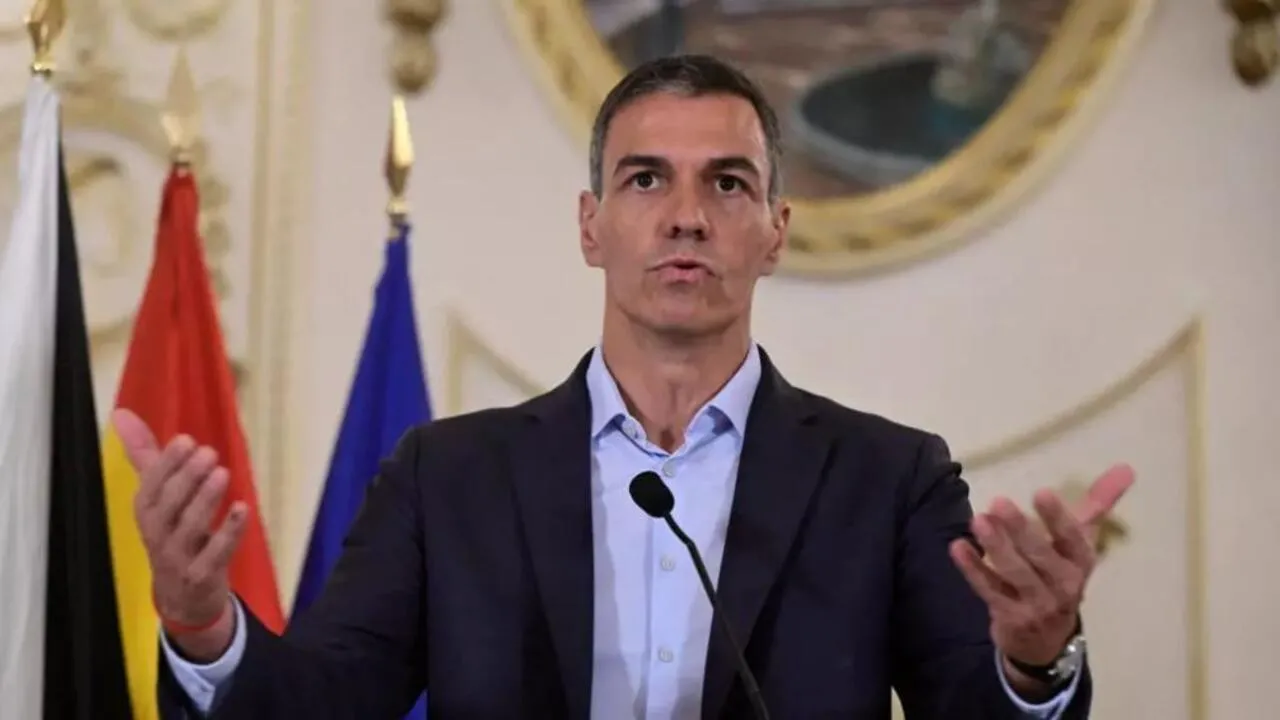
In late July, the Spanish enclave of Ceuta experienced a significant influx of over 70,000 migrants, sparking intense speculation regarding the potential involvement of Morocco in this unexpected surge. While much of the Spanish political landscape seems to implicate Morocco in orchestrating this migratory wave, Prime Minister Pedro Sánchez has been reticent to make definitive claims. During a parliamentary session, he emphasized the absence of "solid evidence" linking Morocco to the crisis, despite contrasting reports that have emerged from various police sources. These discrepancies raise critical questions about the nature of Morocco's involvement and whether such actions could challenge Spain's sovereignty over Ceuta and Melilla.
The Political Implications of the Crisis
The unfolding situation has not only highlighted the humanitarian aspects of the migrant crisis but has also plunged Pedro Sánchez into a political maelstrom. His administration is under scrutiny as it grapples with allegations of misinformation and the complexities of international relations with Morocco. As the Prime Minister navigates this politically charged environment, the leaked police report adds layers of complexity to the narrative, suggesting a more intricate connection between Moroccan authorities and the sudden migration wave. This debate is not merely about migration; it encapsulates broader themes of national sovereignty, diplomatic relations, and the ethical considerations surrounding migration policies.
As reported by rfi.fr.