
Escalating Violence and Migration Crisis in Ceuta
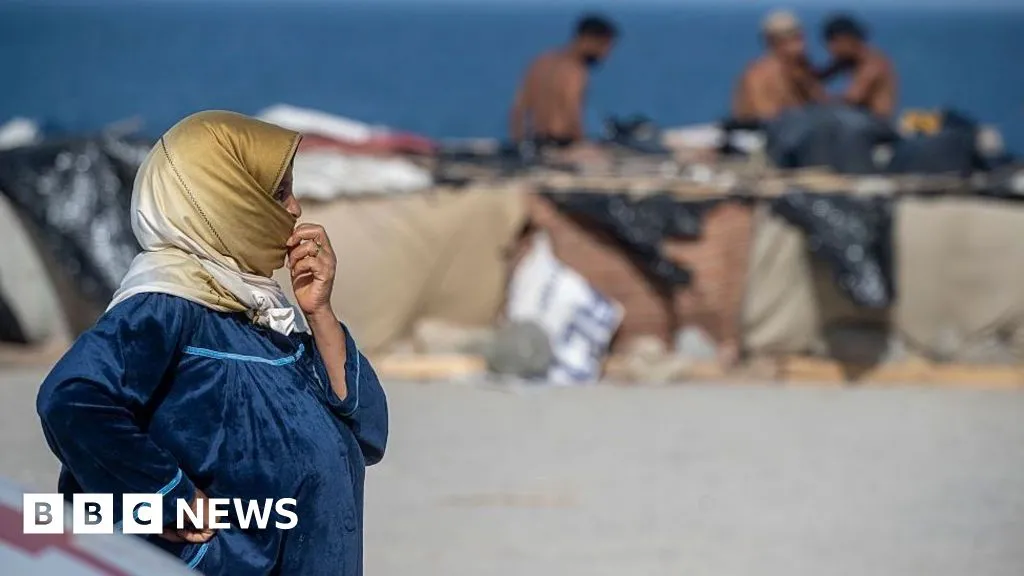
Recent reports indicate that around 5,000 migrants who crossed from Morocco into Ceuta, a Spanish exclave, are still residing in the region, leading to significant unrest and a humanitarian crisis. Spanish prosecutors have documented a troubling rise in sexual assaults in Ceuta, with 23 incidents recorded since the influx began at the end of July, including nine assaults against minors. Silvia Rojas, the chief prosecutor of Ceuta, emphasized the vulnerability of migrant girls due to their irregular status, which exacerbates their risk in an already precarious situation.
The situation became critical when approximately 72,000 migrants entered Ceuta during a two-day period on July 30 and 31. While many have returned to Morocco, the continuing presence of about 5,000 migrants has triggered violent confrontations between migrants and local residents. In response to the escalating crisis, Spanish Prime Minister Pedro Sánchez convened a national security meeting, the second in just one week, to address the growing tensions.
Among the migrants still in Ceuta, it is estimated that between 1,400 and 1,600 are children. Reports suggest that the suspected perpetrators of the assaults include four Moroccans, three Spaniards, and a Belgian, highlighting a diverse mix of individuals involved in these crimes. Unfortunately, many victims are reluctant to report such incidents due to fears stemming from their vulnerable circumstances. The Spanish Society of Epidemiology has raised alarms, stating that violence against women in this context cannot be viewed as an isolated incident.
Government Response and Political Repercussions
In light of the crisis, Spain's Economy Minister Carlos Cuerpo announced a significant multi-million euro aid package aimed at providing essential services and support for unaccompanied children affected by the situation. Concurrently, the conservative mayor of Ceuta, Juan Jesús Vivas, has called for demonstrations across mainland Spain to garner support for the beleaguered city, coinciding with its annual holiday celebrations.
The Spanish government is facing intense scrutiny from opposition parties over its handling of the migrant crisis, with the far-right Vox party accusing Sánchez of losing control of Ceuta. Business leaders, such as Arantxa Campos, president of the Ceuta Employers' Confederation, have expressed frustration over the lack of a coherent government plan to address the challenges posed by the migrant population, emphasizing the urgent need for a resolution.
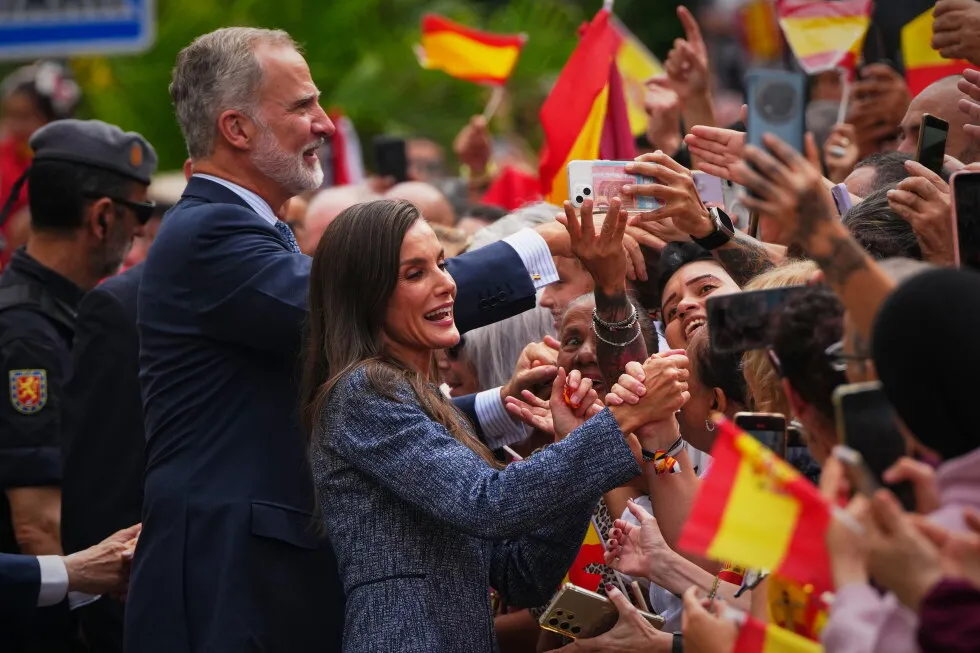
Amidst these developments, Prime Minister Sánchez announced that King Felipe VI would visit Ceuta once conditions permit, a move seen as an attempt to reinforce Spanish sovereignty over the territory. However, the king's potential visit could escalate diplomatic tensions with Morocco, which has long claimed Ceuta and Melilla. Notably, it has been over two decades since a Spanish head of state visited Ceuta, highlighting the sensitive political landscape.
In a bid to deflect criticism, Sánchez has refrained from directly blaming Morocco for the surge in migration, asserting that intelligence reports do not indicate any involvement from Moroccan authorities. Instead, he pointed to disinformation circulating on social media, allegedly linked to international far-right movements, as a contributing factor to the crisis. However, both Russia and Israel have denied any involvement, with Israeli officials labeling Sánchez's claims as false.
As the situation develops, the opposition People's Party has accused the Prime Minister of absolving Morocco of responsibility, insisting that the sheer number of individuals moving toward Ceuta could not have occurred without the Moroccan government's awareness. In contrast, Moroccan authorities have denied any orchestration of the mass crossings, leaving the future of Ceuta's migrant population uncertain amidst rising tensions.
As reported by bbc.com.