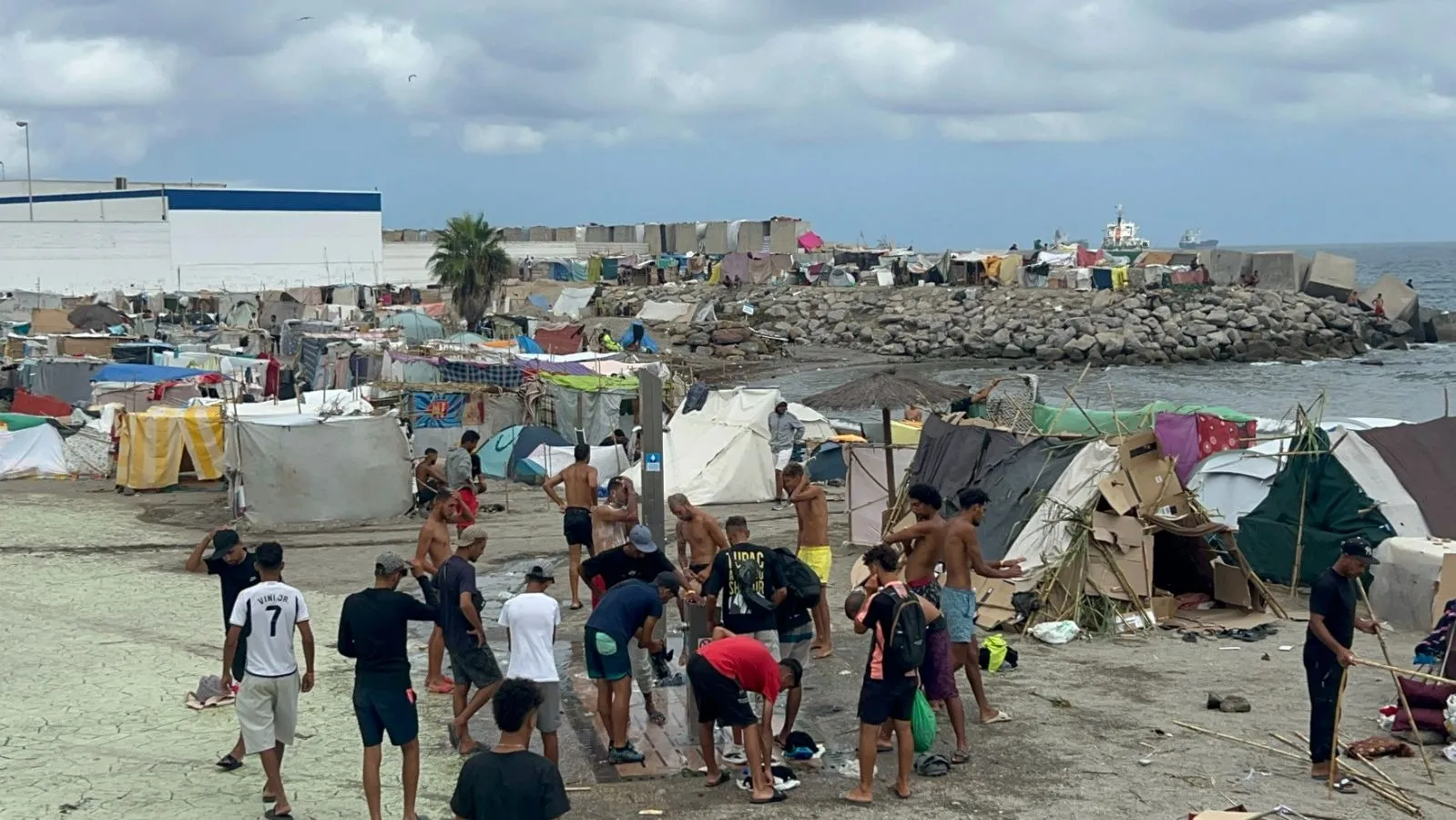
Relocation Efforts Intensify in Ceuta
Approximately six weeks following the mass influx of migrants into Ceuta, a Spanish enclave bordering Morocco, local authorities have initiated the relocation of hundreds of migrants to a newly established facility. In a significant move, the Spanish government has reported that over 5,000 migrants have been returned to Morocco within the past month. The urgency of these actions is underscored by the ongoing humanitarian situation that has sparked political tensions and public unrest within the enclave. Reports indicate that two new accommodation facilities are being developed to house more than 1,000 individuals, further demonstrating Spain's commitment to managing the migrant crisis effectively.
As authorities work to move migrants off the streets, the situation in Ceuta remains precarious. Tents in the port area are nearing readiness to offer shelter to those displaced by the recent events. This infrastructure is crucial, given that thousands of migrants have been living in makeshift conditions since their arrival in late July, when an estimated 70,000 individuals crossed into Ceuta in a matter of days. Tragically, around 100 migrants reportedly lost their lives during this perilous journey, highlighting the dire circumstances that have led many to undertake such dangerous crossings.
Government Response and Ongoing Challenges
In response to the influx, the Spanish government has faced mounting pressure to address the humanitarian crisis. Prime Minister Pedro Sanchez is under scrutiny as he navigates political opposition ahead of the upcoming elections, with local leaders claiming that thousands of migrants remain in dire conditions on the streets and beaches. The government has processed asylum claims for those who remain, yet the situation remains complex as many migrants grapple with uncertainty regarding their futures. Reports indicate that 5,321 individuals have voluntarily returned to Morocco since August 10, while nearly 1,000 more are in the process of registering for their return. This effort aims to alleviate some of the pressures on Ceuta as the community copes with the aftermath of the mass arrival.
Despite these measures, tensions persist. Local residents have expressed their frustrations, accusing officials of neglecting the needs of both the migrant population and the local community. The mayor of Ceuta estimates that around 13,000 migrants still reside in the enclave, although government estimates suggest a lower figure. This discrepancy has fueled protests among locals who feel abandoned amid a growing humanitarian crisis. In response, the migration ministry has added 864 temporary shelter spaces, increasing the total capacity to approximately 4,300, but the need for sustainable solutions remains urgent.
As reported by infomigrants.net.