
Spain's Firm Stance Amid the Ceuta Migration Crisis
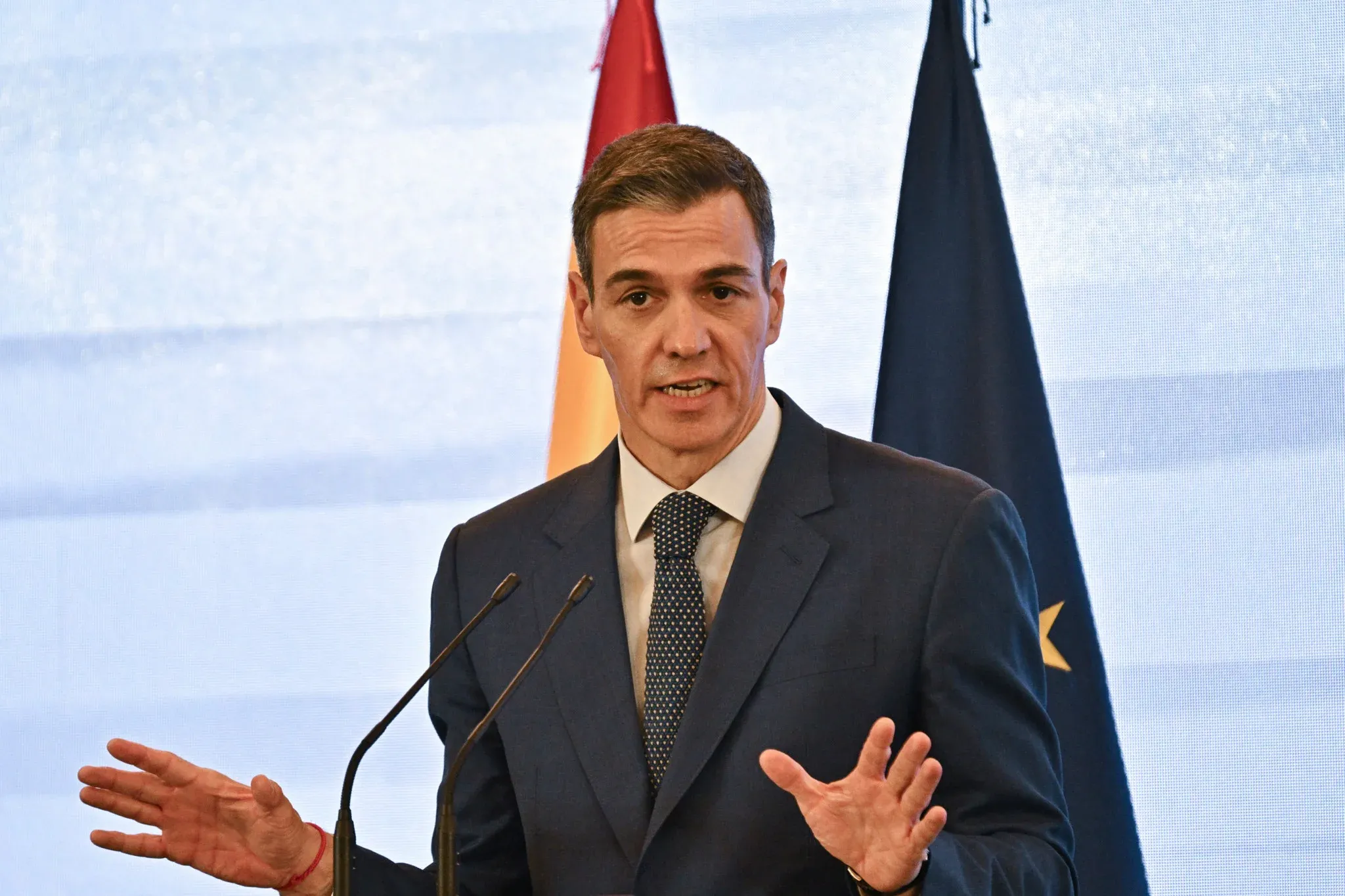
In light of the recent migration crisis in Ceuta, Spanish Prime Minister Pedro Sánchez has reiterated that Spain will not reconsider its essential relationship with Morocco. This assertion comes despite the significant influx of over 70,000 migrants in a matter of hours, which has raised alarms within the country. According to government sources, the strategy implemented in collaboration with Morocco was crucial in managing this situation effectively, allowing for the swift departure of thousands of individuals from Ceuta.
Officials have clarified that there is no evidence to suggest that Morocco acted irresponsibly during this crisis; rather, they allowed migrants to pass through briefly to prevent even greater loss of life. Following the situation's stabilization, Moroccan authorities quickly curtailed further entries and facilitated the rapid return of many migrants to their home country. This demonstrates a commitment to maintaining a maximum level of cooperation with Morocco, a relationship deemed vital for Spain's national interests. Sources close to the ruling Socialist Workers' Party (PSOE) have emphasized that both nations cannot afford a breakdown in their partnership, underlining Morocco's role as a critical ally.
Political Reactions and Challenges
The government’s approach has not gone without criticism, particularly from the right-wing opposition, including the Popular Party and Vox, who have accused Morocco of being responsible for the surge in migrants. These parties argue that the government's cautious stance stems from a fear that any escalation in tensions could hinder the repatriation of undocumented migrants. On the left, parties like Sumar and Podemos have called for a reevaluation of Spain's support for Morocco's autonomy plan concerning Western Sahara, suggesting that it should serve as a form of sanction in response to the Ceuta crisis.
Moreover, the absence of Foreign Minister José Manuel Albares during a Senate hearing on July 30 regarding the crisis has raised eyebrows. Interior Minister Fernando Grande-Marlaska has also adopted a similar avoidance strategy, leading to further scrutiny of the government's handling of the situation. In the coming days, Defense Minister Margarita Robles is expected to provide her insights in a Senate commission, which may shed more light on the administration's strategies moving forward.
As reported by yabiladi.com.