
The Ongoing Migration Crisis in Ceuta
The migration crisis in Ceuta continues to test the partnership between Morocco and Spain. In a recent address at the United Nations in New York, Moroccan Foreign Minister Nasser Bourita reaffirmed Rabat's willingness to cooperate in the repatriation of irregular migrants and unaccompanied minors, while firmly rejecting accusations directed at Morocco. In contrast, Spanish Prime Minister Pedro Sánchez has indicated that Morocco's control over the border has 'failed,' although Madrid maintains an ongoing dialogue with Rabat regarding the situation.
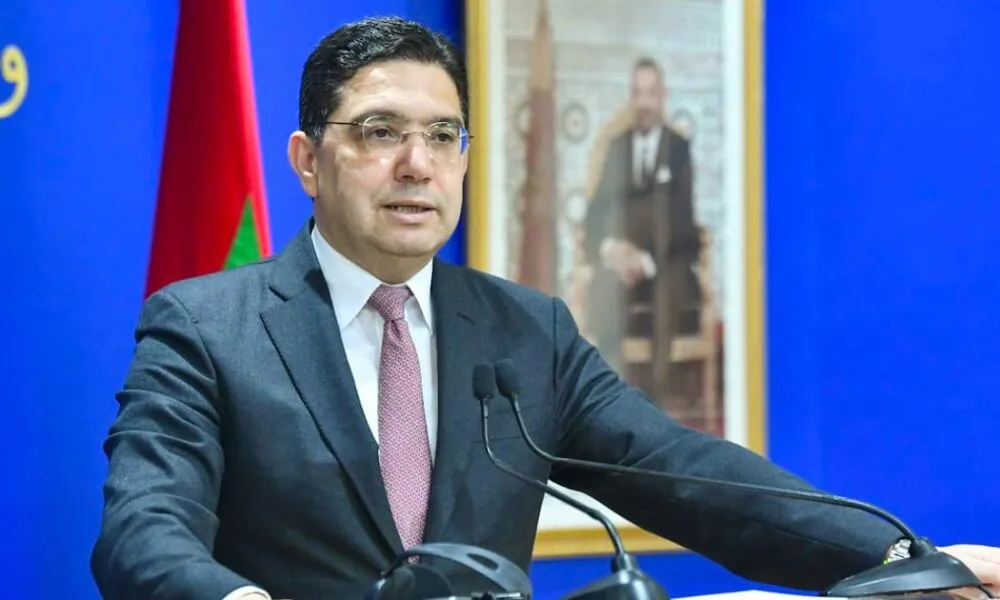
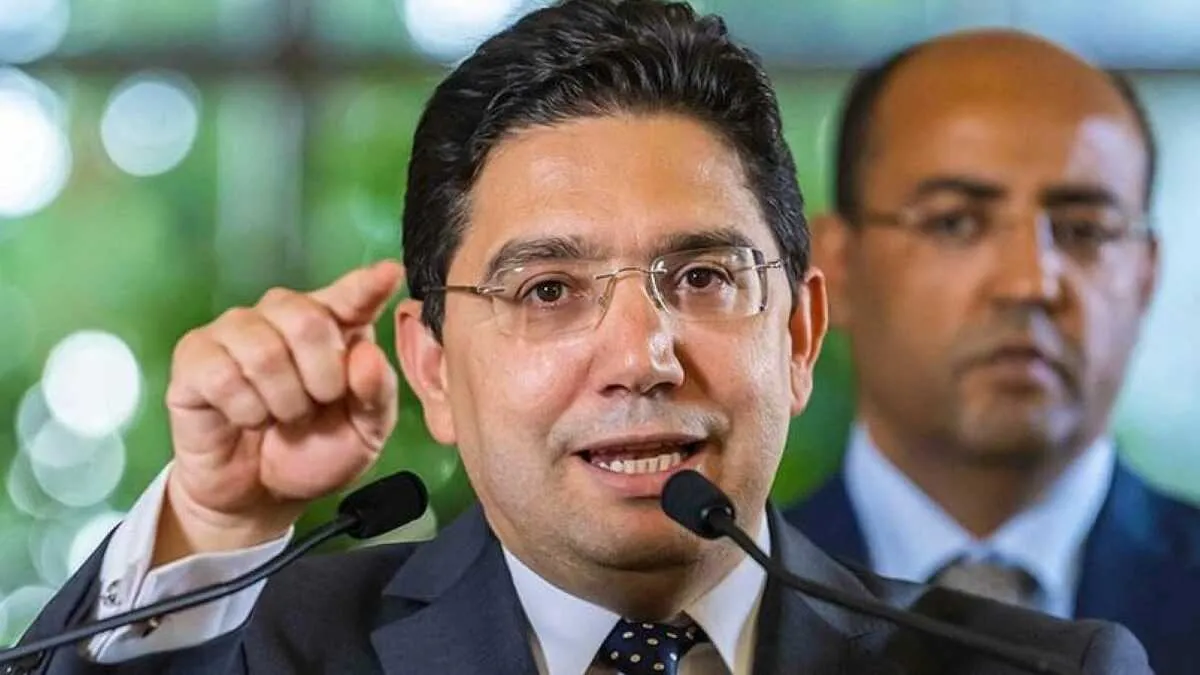
During discussions on the sidelines of the UN General Assembly on Thursday, Bourita defended Morocco's stance on the return of migrants currently in the Spanish enclave of Ceuta. He asserted that if irregular migrants and unaccompanied minors are not repatriated, it is 'exclusively Spain's responsibility.' Bourita also criticized statements from Spanish politicians that blamed Morocco, emphasizing that the partnership between the two nations should be based on dialogue, cooperation, and good neighborliness rather than accusations or grievances. This clarification comes as Madrid seeks to expedite the return of individuals who entered Ceuta since July 30 and do not qualify for international protection.
Humanitarian Pressures and Complexities
Following his meeting with Bourita, José Manuel Albares, Spain's Foreign Minister, claimed to have secured a commitment for 'full cooperation' from Morocco regarding this issue. However, the situation remains complex for Spanish authorities, particularly for unaccompanied minors, who cannot be repatriated automatically and require an assessment under Spanish and European law. The events of July 30 and 31 triggered an unprecedented influx of migrants into the Spanish enclave, with estimates suggesting that over 70,000 individuals crossed into Ceuta from Morocco within just two days, according to various international sources. While many returned to Morocco shortly after, thousands remain in Ceuta, with recent estimates by Reuters indicating their number to be around 12,000.
This situation places immense pressure on Ceuta's reception capacities, especially given the high number of minors involved. Spanish authorities have had to bolster accommodation facilities and conduct identification processes to ascertain the legal status of the individuals. Amid this turmoil, Pedro Sánchez's position has evolved over the weeks. In an interview with CNN on September 22, he stated that it was 'clear' that the Moroccan border control mechanism had failed during the massive influx in July. He indicated that Madrid had requested 'actions' and 'responses' from Morocco but did not assert that Rabat had orchestrated the operation.
Before Parliament, Sánchez previously highlighted the lack of solid evidence linking Morocco to the design or execution of the influx, while several Spanish investigations continue to examine the specific circumstances surrounding these events. Additionally, the Spanish government published a series of 40 reports, alerts, and communications from the National Police, Guardia Civil, intelligence, and military services in early September to document the timeline of the crisis.
Spanish judicial authorities are continuing their investigations into the events of July 30 and 31. Police documents suggest the presence of Moroccan agents around the border and mention an insufficient intervention to contain the arrivals. However, these elements are part of an ongoing procedure and do not constitute a judicial decision establishing the Moroccan government's responsibility. Concurrently, Ceuta's President, Juan Jesús Vivas, is calling for greater involvement from the European Union, particularly in enhancing Frontex's resources and providing financial support for border infrastructure. Despite the contentious interpretations of the crisis, Madrid and Rabat continue to cooperate on migration matters, with Sánchez describing Morocco as a strategic partner and emphasizing the need for dignified returns.
As reported by afrik.com.