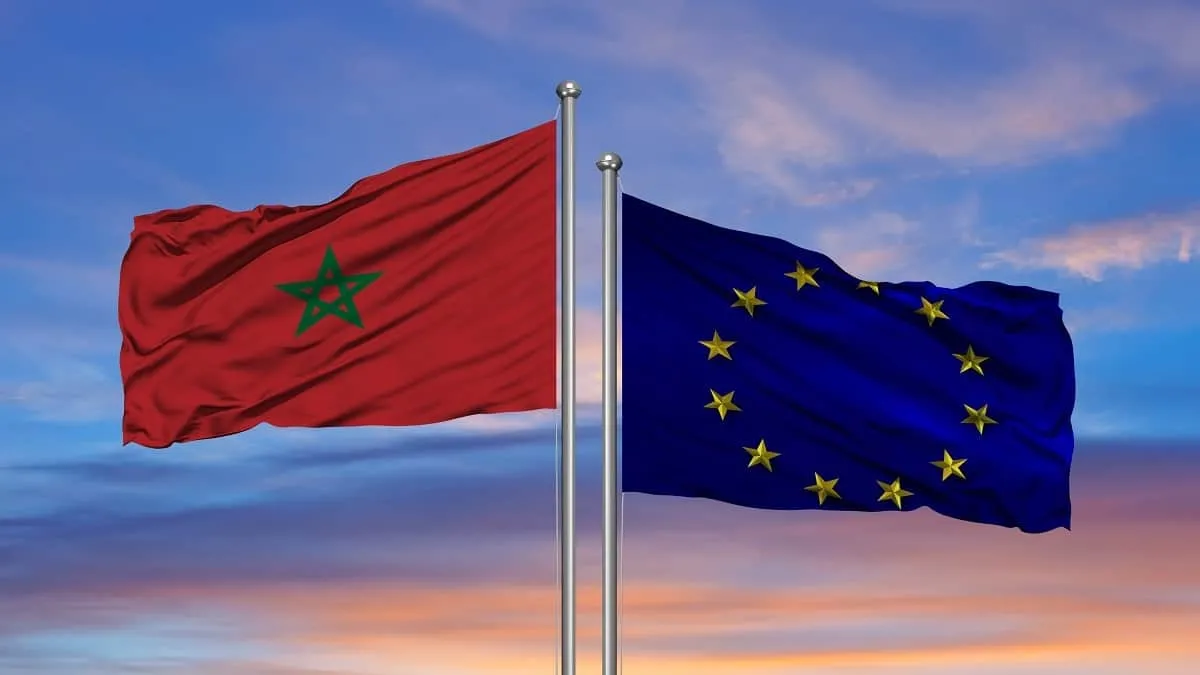

Morocco's Reaction to European Parliamentary Criticism
The Moroccan ambassador to the European Union and NATO is currently navigating a challenging diplomatic landscape following a strongly worded resolution from the European Parliament. This resolution accuses Morocco of manipulating irregular migration as a "hybrid warfare tool" against EU member states, particularly regarding the territories of Ceuta and Melilla. In response, the ambassador has taken a defiant stance, claiming that Morocco faces no accusations or mandates from the European Parliament, suggesting instead that these claims are mere products of malicious propaganda. This denial, however, reflects a broader trend often seen in diplomatic discourse, where uncomfortable truths are met with outright rejection.
The European Parliament's Firm Stance
The European Parliament's resolution clearly outlines its concerns, stating unequivocally that Morocco's actions constitute an "instrumentalization of irregular migration" that poses a direct threat to the territorial integrity of Spain, an EU member nation. The resolution highlights significant increases in migration flows from Morocco, both by land and sea, leaving little room for misinterpretation. Furthermore, the Parliament's demands for Morocco to enhance cooperation on migrant returns and readmissions underline the seriousness of the situation. This cooperation is now linked to European funding, indicating that financial support may be contingent upon Morocco's compliance with EU expectations. Such measures signify a shift away from gentle diplomatic nudges to more explicit warnings, underscoring the gravity of the matter at hand.
In conclusion, the European Parliament has made it clear that Ceuta and Melilla are recognized as Spanish and European territories. The ambassador's assertions of having no obligations in light of this resolution raise critical questions about Morocco's understanding of the situation. The Parliament's insistence on respect for agreements and its direct linkage of funding to Morocco's cooperation serve as a potent reminder of the stakes involved. Ultimately, the Moroccan government finds itself in a precarious position, facing scrutiny and potential repercussions from its European counterparts. The path forward remains fraught with challenges as Morocco attempts to address both its diplomatic relations with the EU and the domestic implications of these international criticisms. As reported by tsa-algerie.com.