
Ceuta's Border Crisis: A Humanitarian Emergency Unfolds
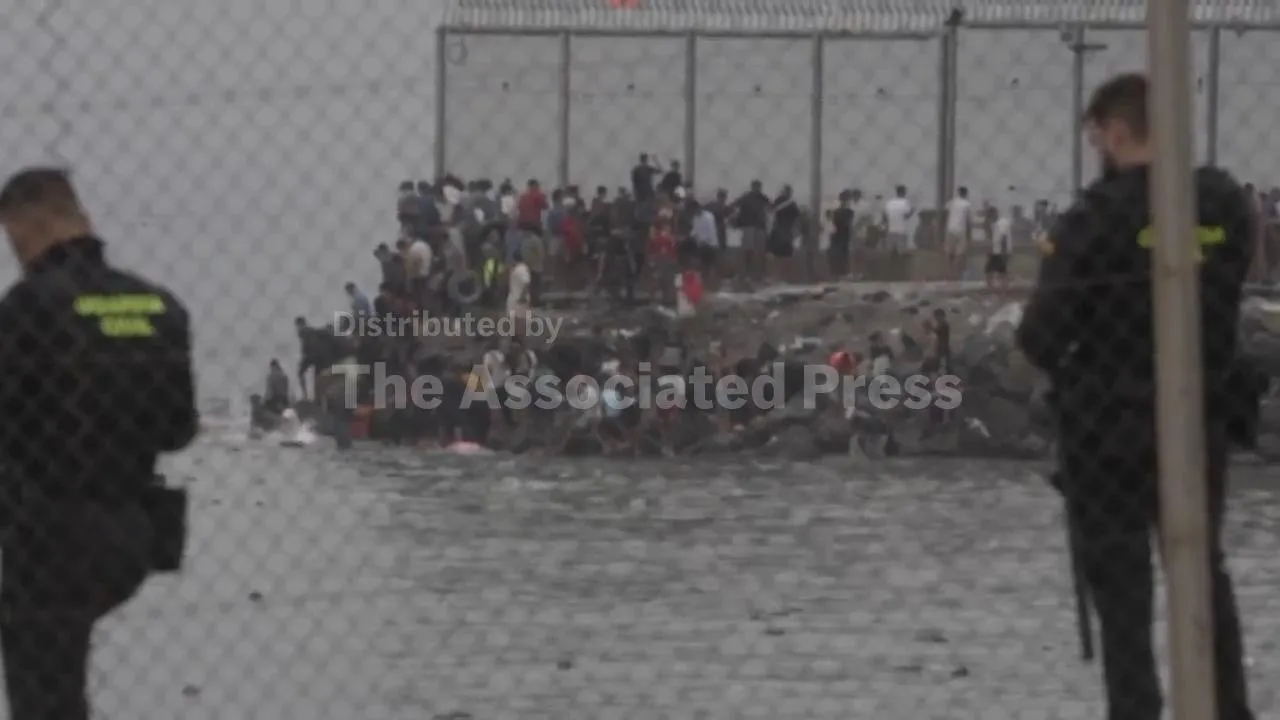
On July 31, 2026, the small Spanish exclave of Ceuta experienced a dramatic surge in migrant crossings as thousands attempted to breach the border with Morocco. This overwhelming influx led to chaos, leaving many migrants stranded in dire conditions. Reports indicate that at least 18 individuals lost their lives during these desperate attempts to reach European soil, with many drowning while others succumbed to injuries sustained in the chaos at the border. Eyewitness accounts describe scenes of desperation, with unaccompanied minors and families wandering the streets, seeking refuge in parks and sidewalks.
Ahmed Karim, a Moroccan unemployed man, expressed the motivations driving so many to attempt the perilous journey. He stated, "In Morocco, we aren't allowed to travel outside, so I guess that's the first problem. A lot of people want to go to Europe or America but they don't have the opportunity. When we push a lot of pressure on people, they will do something like that. That's normal." This sentiment encapsulates the broader challenges faced by many in Morocco, where economic opportunities are limited, compelling individuals to seek better prospects in Europe.
Amidst the turmoil, Ikraa Khai, another Moroccan who works in Spain, shared her heart-wrenching story of searching for her missing nephew. "I don't know if he is dead or alive. I have his residency card. But I don't know where he is, I'm searching," she lamented, highlighting the personal toll of the crisis. As the situation unfolded, Spanish Prime Minister Pedro Sánchez and Interior Minister Fernando Grande-Marlaska planned a visit to Ceuta to assess the humanitarian crisis firsthand and discuss potential responses.
The migration wave comes during a period of increasing tensions at the border, as many individuals swim from Moroccan towns like Fnideq to reach Ceuta, which lies just a few miles away. The escalation in migrant attempts to cross has raised serious questions regarding the conditions and policies governing migration in the region. With Spain serving as a crucial gateway into Europe for those fleeing violence or seeking economic opportunities, the situation at Ceuta serves as a stark reminder of the ongoing humanitarian challenges faced by migrants worldwide.
As reported by youtube.com.