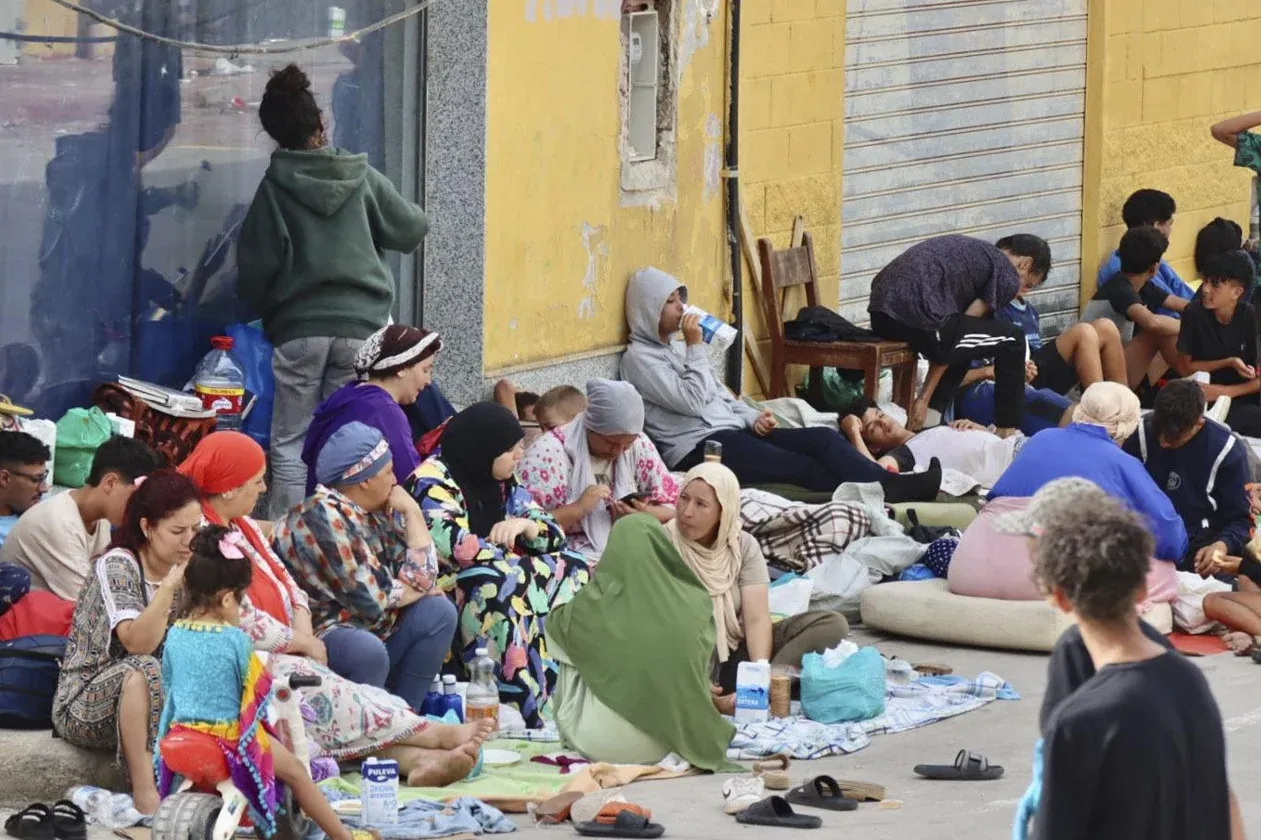

In Ceuta, a Spanish enclave on the northern coast of Africa, tensions have reached a boiling point as protests demanding the deportation of migrants have escalated into violent clashes. The aftermath of a significant mass crossing event in late July has left thousands of individuals living on the streets, outside homes, and even on the beaches, creating a humanitarian crisis that is impossible to ignore. In the midst of this turmoil, Sabah Ahmed Mohamed, a Spanish-Moroccan known for her charitable endeavors, has bravely continued her mission to provide food and clothing to those in need, despite facing criticism and threats from those who oppose her humanitarian efforts.
In a recent interview, Sabah expressed her concerns about the negative impact of the ongoing migrant crisis on the local Moroccan community in Ceuta. She pointed out that Moroccans are increasingly becoming targets of hostility from some protesters who view their support for migrants unfavorably. "Some individuals attack Moroccans in the city, but we are doing everything we can to support these people," she explained, shedding light on the complex dynamics at play in her community.
Heartbreaking Scenes of Desperation
Sabah, a dedicated charity worker, shopkeeper, and mother of four, is currently providing essential aid to over 1,000 migrants daily. This includes not only food and water but also washing their clothes and supplying blankets, thanks to the generosity of both Moroccan and Spanish benefactors. However, delivering this aid has become increasingly difficult due to the protests that often disrupt her efforts. In one instance, she chose to withhold food distribution when she learned of a planned demonstration near her home, stating, "I chose not to provoke the protesters." Instead, she waited until nightfall to hand out blankets and clothing, describing the entire situation as "truly catastrophic."
As she navigates through the neighborhoods of Ceuta, Sabah witnesses firsthand the plight of migrants who are scattered throughout the city, many of whom are forced to sleep on the streets and doorsteps of homes. The emotional toll of these heartbreaking scenes has greatly affected her, particularly when she sees vulnerable children, women, and expectant mothers enduring such harsh living conditions. "I don’t want to see these heartbreaking scenes," she lamented. Her observations reveal a grim reality where groups of migrants are often found lying on the ground, making it difficult for residents to go about their daily lives.
Challenges and Community Concerns
Sabah has previously assisted migrants during a similar wave of crossings in May 2021, even offering shelter to some in her own home. However, she believes the current situation is markedly different, citing changes in the behavior of some new arrivals. Reports have surfaced of certain migrants engaging in theft and begging, while others reportedly misuse funds received for alcohol rather than food. Although Sabah acknowledges that not all migrants exhibit such behaviors, these incidents have exacerbated public frustration and raised concerns about safety among local residents. Furthermore, she has noted instances of migrants clashing with demonstrators, which only intensifies the already fraught atmosphere in Ceuta.
As the new school year approaches, families are growing increasingly anxious about sending their children to school amidst the chaos. The uncertain fate of migrants, many of whom are sleeping rough, adds to the community's mounting stress as winter looms on the horizon. Sabah has made a heartfelt appeal for assistance, urging that while it is crucial to help migrants, the local population of Ceuta deserves support as well, as they have found themselves in dire circumstances overnight. "These conditions, and the insecurity they create, are what drove residents to the streets," she emphasized.
Despite the mounting pressure from some residents to cease her food distribution efforts, Sabah remains steadfast in her mission. She firmly believes that no one should go hungry, insisting, "I cannot see someone hungry and not offer food." While she continues her charitable work, she also advises migrants to consider returning to Morocco, believing it may provide a better alternative to enduring such harsh conditions. However, she respects their right to make their own choices regarding their futures. As protests continue both within and outside of Ceuta, civil groups are organizing demonstrations on September 2 across several Spanish cities to express solidarity with the residents of Ceuta and to demand solutions to the ongoing crisis.
As reported by en.yabiladi.com.