
Ceuta's Migrant Crisis: A Desperate Call for Asylum and Equal Treatment
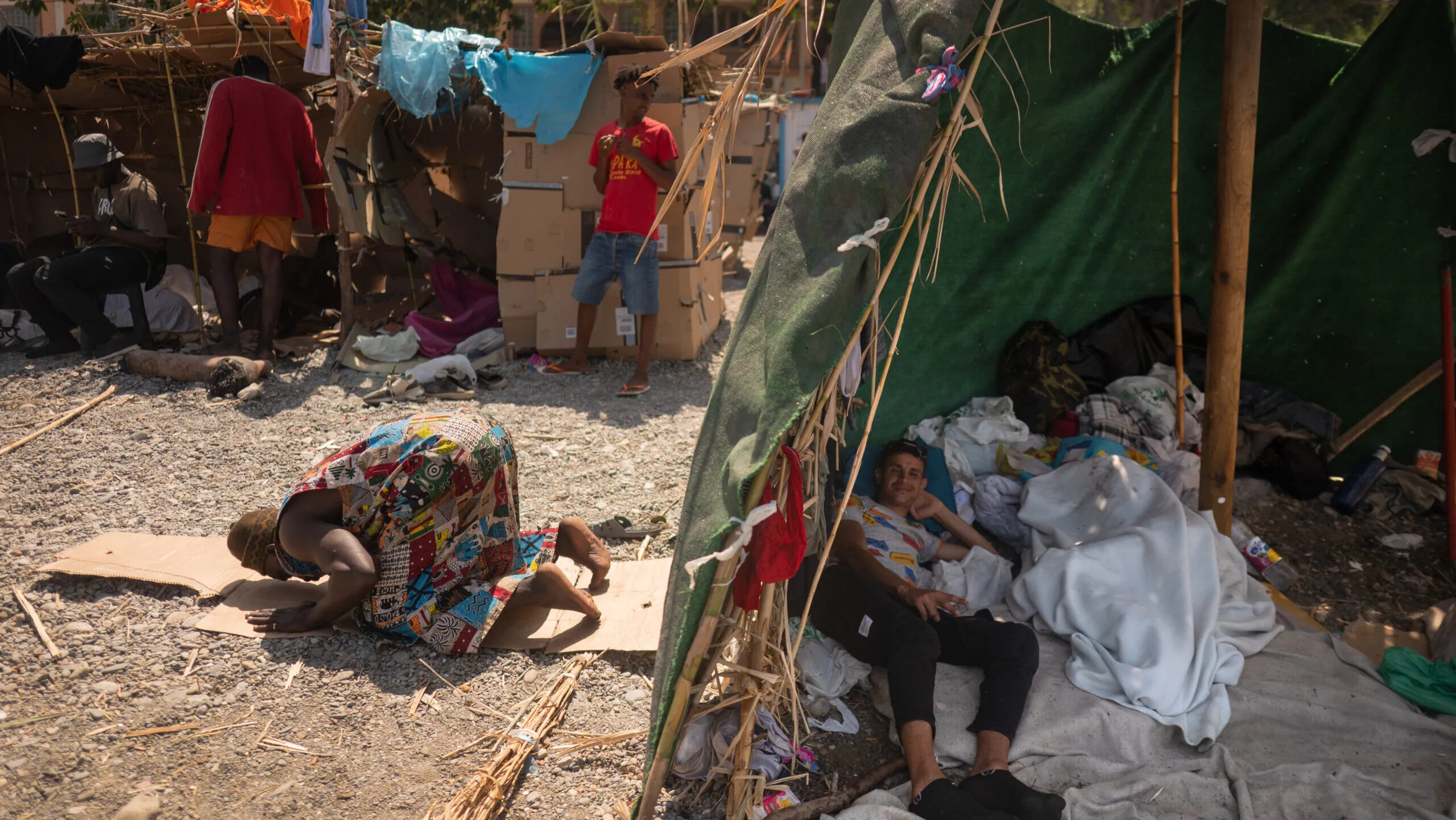
In a significant protest, between 100 and 200 predominantly Moroccan illegal migrants have initiated a hunger strike at the Trampolín beach settlement in Ceuta, Spain. Their demands are clear: they seek asylum within Spain and express a desire for equal treatment as they oppose any return to Morocco following a recent surge of illegal crossings. This hunger strike commenced on August 16, 2026, when these migrants gathered, brandishing Spanish flags and placards inscribed with messages such as ‘We want asylum’ and ‘We don’t want to go back to Morocco’. Notably, many participants have refused food provided by the Red Cross, illustrating their determination to continue the hunger strike until a resolution is reached regarding their status.
The context of this protest is critical, especially as many Moroccan applicants have received negative asylum decisions. Reports indicate that approximately 500 Moroccan migrants previously housed at the CETI, who arrived before the mass illegal invasion on July 30, have been met with negative outcomes regarding their asylum applications, prompting a sense of despair and anger among those currently protesting. Some have even chosen to withdraw their applications and return to Morocco voluntarily after facing these unfavorable decisions.
Many of the protesting migrants express feelings of discrimination, alleging that the Spanish authorities prioritize Sudanese and Sub-Saharan African refugees, who are perceived to be fleeing genuine war zones, over themselves. This sentiment has intensified following the Spanish government’s announcement of the establishment of 1,500 new temporary accommodation spaces, primarily for Sudanese asylum seekers, exacerbating feelings of inequality among the Moroccan migrants. Their aspirations extend beyond mere asylum; they seek the opportunity to travel to mainland Spain and continue their journey into continental Europe.
The situation at Trampolín beach, where around 1,000 migrants live in makeshift huts, reflects the broader migrant crisis in Ceuta. The enclave is currently home to an estimated 8,000 to 10,000 migrants following a massive influx wherein 72,000 to 80,000 migrants crossed from Morocco during the end of July. This sudden surge has placed immense strain on the local community, which numbers roughly 84,000 inhabitants, leading to heightened security concerns and local unrest, with the Guardia Civil reporting multiple sexual assault cases since the mass influx.
In response to the hunger strike, Ceuta’s President Juan Jesús Vivas has firmly rejected the central demands of the migrants, maintaining a stance of ‘no regularization, no asylum, and no transfer to the Peninsula’. He has called for the return of all those who entered illegally back to Morocco, expressing frustration with what he perceives as the Spanish government's inaction regarding the crisis. Vivas has threatened legal action against Madrid unless the situation is addressed within 30 days.
The unfolding events in Ceuta highlight the complex and often controversial issues surrounding migration in Europe, marked by political tension and humanitarian concerns. As the hunger strike continues, the plight of these migrants serves as a stark reminder of the challenges faced by those seeking refuge and the intricate dynamics of asylum policy in Spain.
As reported by hungarianconservative.com.