
Understanding the Migrant Crisis in Ceuta
On July 30, 2026, a significant and tragic event unfolded at the border between Morocco and Spain, particularly in the small Spanish enclave of Ceuta. This mass border crossing resulted in the heartbreaking loss of over 140 lives and witnessed more than 70,000 migrants entering Ceuta within a short span of time. As the dust begins to settle, the local population and authorities are grappling with the aftermath of this unprecedented migration crisis. Juanjo Coronado, a resident of Ceuta, succinctly captured the community's sentiment in a message to NPR: "same, which means worse," indicating that the situation has not improved since the influx of migrants. In the weeks following this event, the Spanish government has claimed that the majority of migrants have returned to Morocco voluntarily. However, the reality is more complex, as thousands of migrants, including many unaccompanied minors, remain in Ceuta, which has led to a range of responses from the local community, from providing food and shelter to forming neighborhood watch groups aimed at managing the situation.
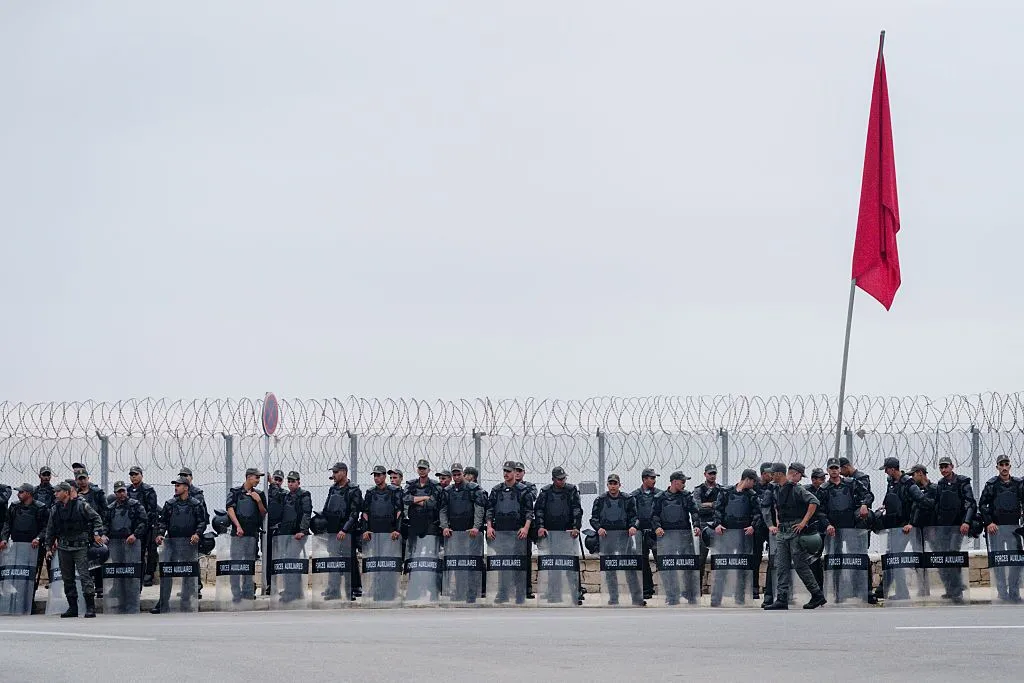
The images of this mass crossing shocked the Spanish leadership, particularly as they were concurrently dealing with some of the largest wildfires in the nation’s history. This incident has not only raised concerns within Spain but has also created divisions within the European Union regarding immigration and border control policies. Some world leaders, such as former U.S. President Donald Trump and Italian Prime Minister Giorgia Meloni, have pointed to this crisis as a significant example of the challenges posed by immigration, reinforcing the fears of anti-immigration advocates worldwide. Nevertheless, for those like Coronado and fellow resident Teresa Pardo, who have lived in Ceuta their entire lives, this event was not entirely unexpected. They recognize the historical context of migration in the region and the complexities surrounding the border situation, especially given the heavily fortified double fence that separates Morocco from Ceuta, which spans five miles and reaches heights of up to 30 feet.
The Dynamics of Migration and Local Sentiments
As locals like Pardo express their feelings of helplessness, citing shortages in supermarkets and the need to contact family members for safety, the broader implications of this migration crisis are becoming increasingly evident. José Bautista, a lead researcher at the non-profit organization porCausa, outlined a recurring pattern in migration crises involving Morocco: first, Morocco creates a migration situation, then negotiates concessions with Spain, and finally, a new crisis emerges, often under the guise of Morocco offering solutions. This cyclical pattern suggests that the events of July 30 are part of a larger strategy employed by Moroccan authorities to exert pressure on Spain regarding immigration policies and territorial claims over Ceuta and Melilla.
The historical context of Ceuta and Melilla as Spanish territories, set against Morocco's claims and ambitions, adds layers of complexity to the current situation. These two autonomous cities, rich in cultural diversity, have seen their borders become increasingly militarized over the past few decades, with the flow of people significantly restricted since the 1990s. Bautista argues that these sites have become laboratories for global migration control, with technology companies profiting from the development and testing of advanced border security measures. However, the reality remains that, despite these efforts, the borders are nearly impossible to secure solely from the Spanish side. European governments are increasingly outsourcing their border management responsibilities to countries like Morocco, which has led to a situation where Morocco holds substantial leverage over Spain and other European nations.
The events of July 30 were not merely a spontaneous occurrence but rather the culmination of various factors, including social media mobilization among Moroccan youths. Political scientist Soraya Aybar Laafou noted that many young Moroccans were discussing plans for a mass crossing on platforms like Facebook and Instagram, leading to an influx of individuals to the border region. The subsequent lack of intervention from Moroccan law enforcement during this critical time raises questions about the motivations behind the border crossings and the apparent coordination between Spanish and Moroccan authorities in managing the crisis.
As the situation continues to evolve, reports indicate that thousands of migrants remain in precarious conditions in Ceuta, with inadequate access to basic necessities like food, water, and shelter. Local residents have expressed frustration over the perceived inaction of the Spanish government, leading to protests demanding a more effective response to the crisis. The complexities of the situation are further compounded by the geopolitical tensions surrounding Morocco's actions and the implications of international relations between Spain, Morocco, and the broader European community.
As reported by npr.org.