
Ceuta Faces an Unprecedented Humanitarian Crisis
The recent surge in migration to Ceuta, a Spanish enclave nestled on the African continent, has revealed the complexities of coexistence in a city where Christians and Muslims have historically lived side by side. In a dramatic turn of events, over 72,000 migrants, primarily from Morocco, flooded into this small territory between July 30 and 31, 2026. This influx, which outnumbered the local population of 83,000, has been characterized by both distress and resilience, as residents grapple with the implications of such a mass migration.
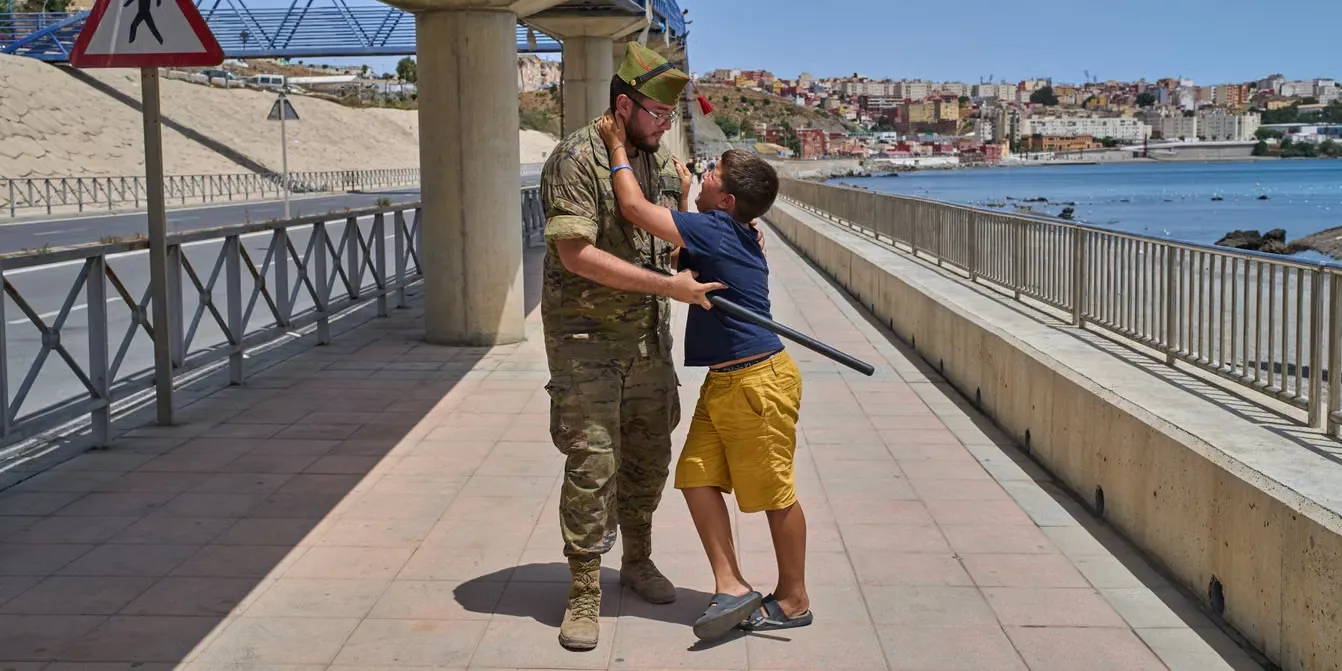
As the sun shone down on Avenida Alcalde José Victori Gonalons, a line of immigrants stretched towards the marina, a stark contrast to the vibrant atmosphere typically enjoyed by locals and tourists alike. The avenue, lined with shops, including a popular money transfer business, became a lifeline for those who had journeyed from Morocco, often relying on meager contributions from family members abroad to survive. In this neo-Moorish setting, the tranquility of vacationers enjoying sangria and tapas stood in sharp relief against the backdrop of the chaos that had unfolded just days prior, where police and military forces were seen dispersing desperate crowds, sometimes with unyielding force.
This humanitarian crisis, described by local officials as unprecedented, not only highlights the fragility of Ceuta’s multicultural fabric but also raises urgent questions about the future of this enclave. As migrants sought refuge and a better life, many were met with hostility and suspicion from certain segments of the population. Guillermo Martinez Arcas, secretary general of the People's Party in Ceuta, expressed the sentiments of fear and uncertainty that gripped the city, stating, "We felt as if we were being invaded. We even wondered whether this was the end of Ceuta as a Spanish city." This statement encapsulates the tension that has arisen in a community that is now forced to confront its identity and the realities of migration in an increasingly polarized world.
As the situation continues to evolve, there remains a pressing need for dialogue, understanding, and solidarity among the residents of Ceuta. The challenges posed by migration are not just local but resonate on a global scale, calling for a comprehensive approach to humanitarian response and community cohesion. The story of Ceuta is a poignant reminder of the delicate balance between welcoming those in need and preserving the integrity of a community, a balance that must be navigated with compassion and empathy.
As reported by lemonde.fr.