
Unclear Details Surrounding Ceuta's Migrant Evacuation
In a continuation of recent efforts to clear the streets of migrants in Ceuta, the operation conducted this past Sunday has again been marked by a notable lack of transparency and clear communication from the authorities. Five hours after the police operation commenced, the government has yet to specify the number of individuals transported by bus from the Trampolín area or the camps where they will be accommodated. Additionally, there has been no update on how many of these migrants are choosing to return to Morocco voluntarily.
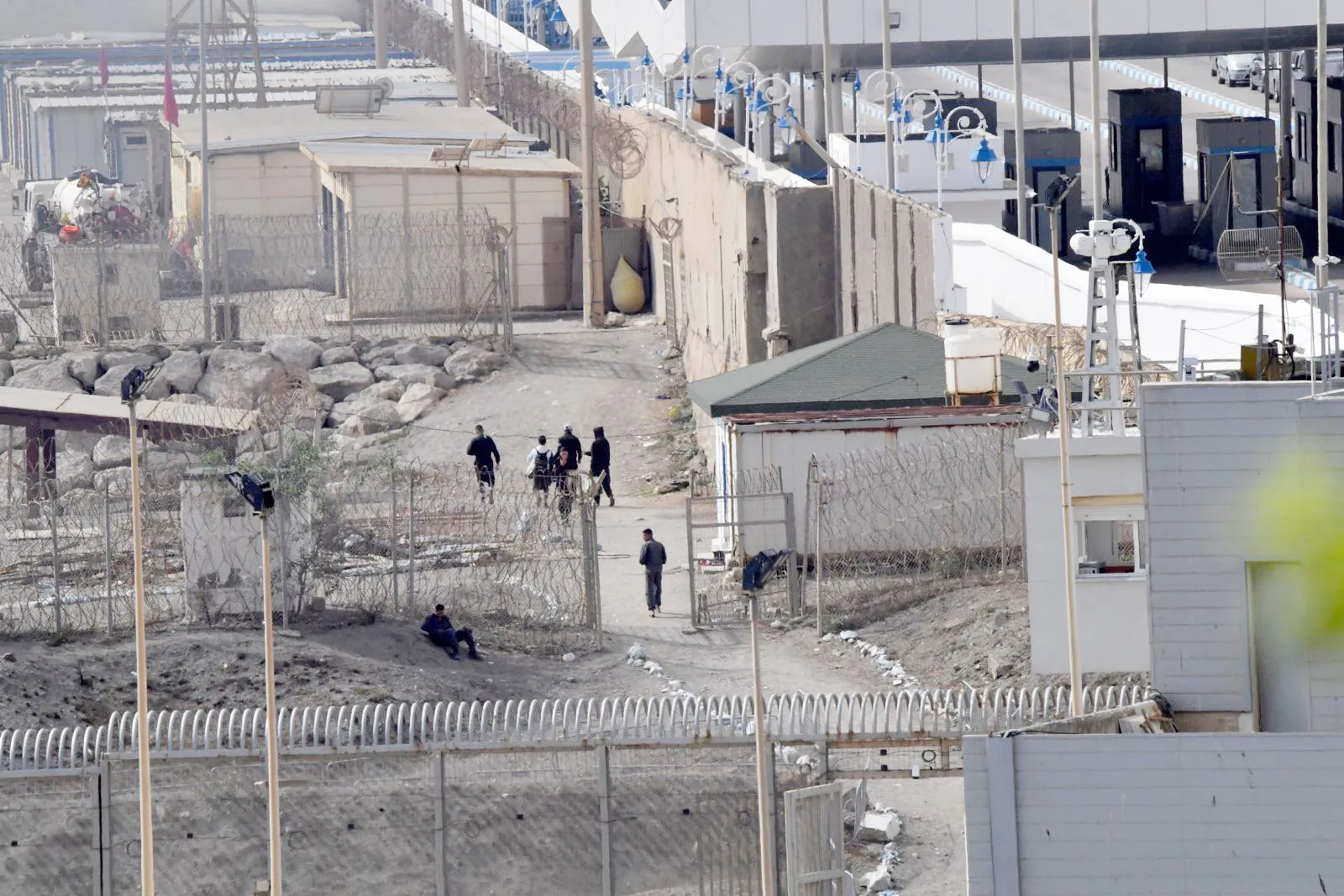
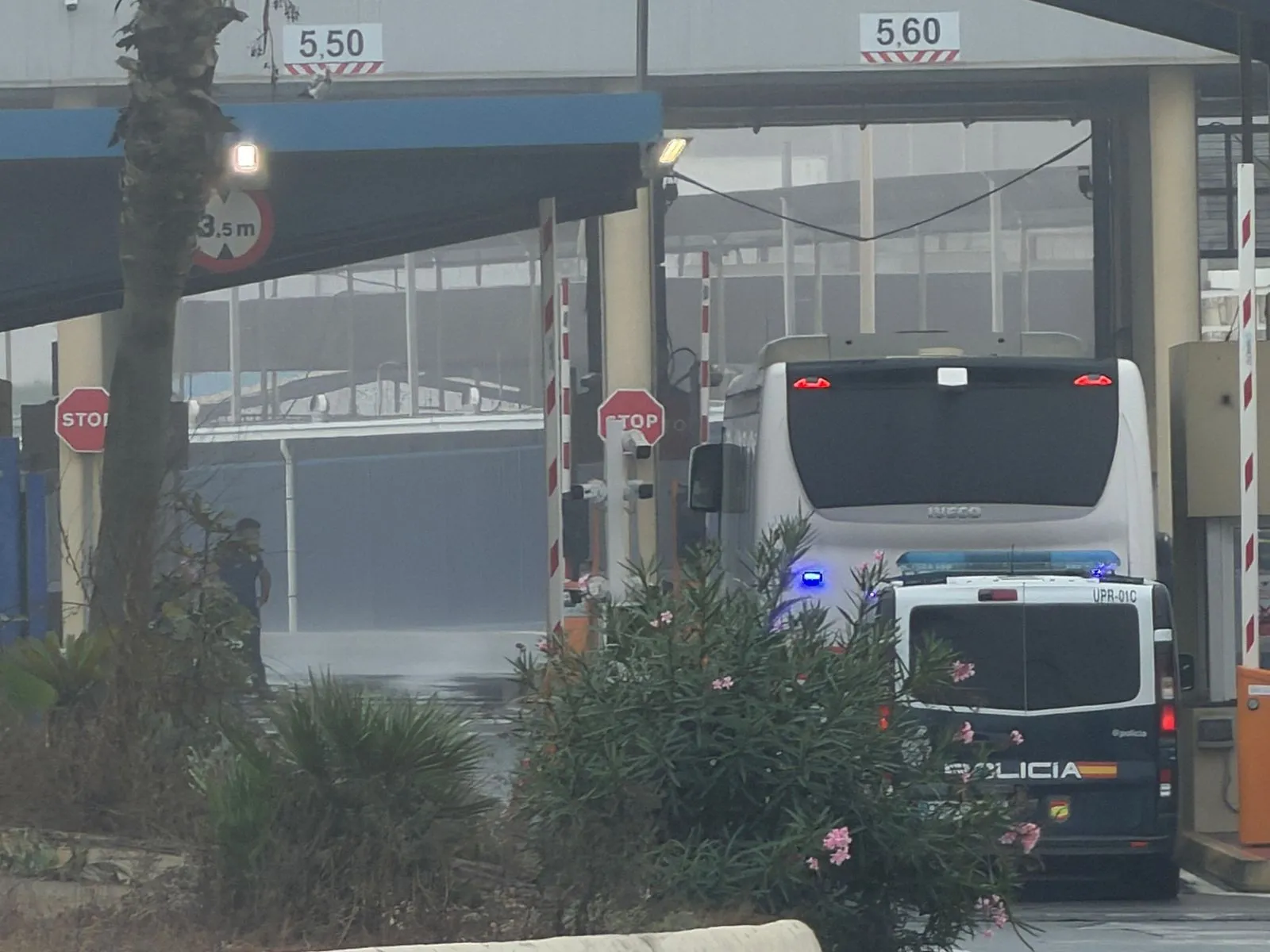
According to on-site observations by El Pueblo de Ceuta, dozens of migrants are being transported by bus to the Tarajal border for their voluntary return to their home country. However, the exact percentage of those opting to return compared to those resistant to leaving Spain and preferring to go to the Temporary Care Center for Foreigners (CATE) remains unclear. At CATE, migrants will be registered and subsequently assigned to various temporary accommodation facilities scattered throughout the city. They will be directed to facilities with available spots, yet neither the Ministry of Migration nor the Government Delegation has clarified where these facilities are located.
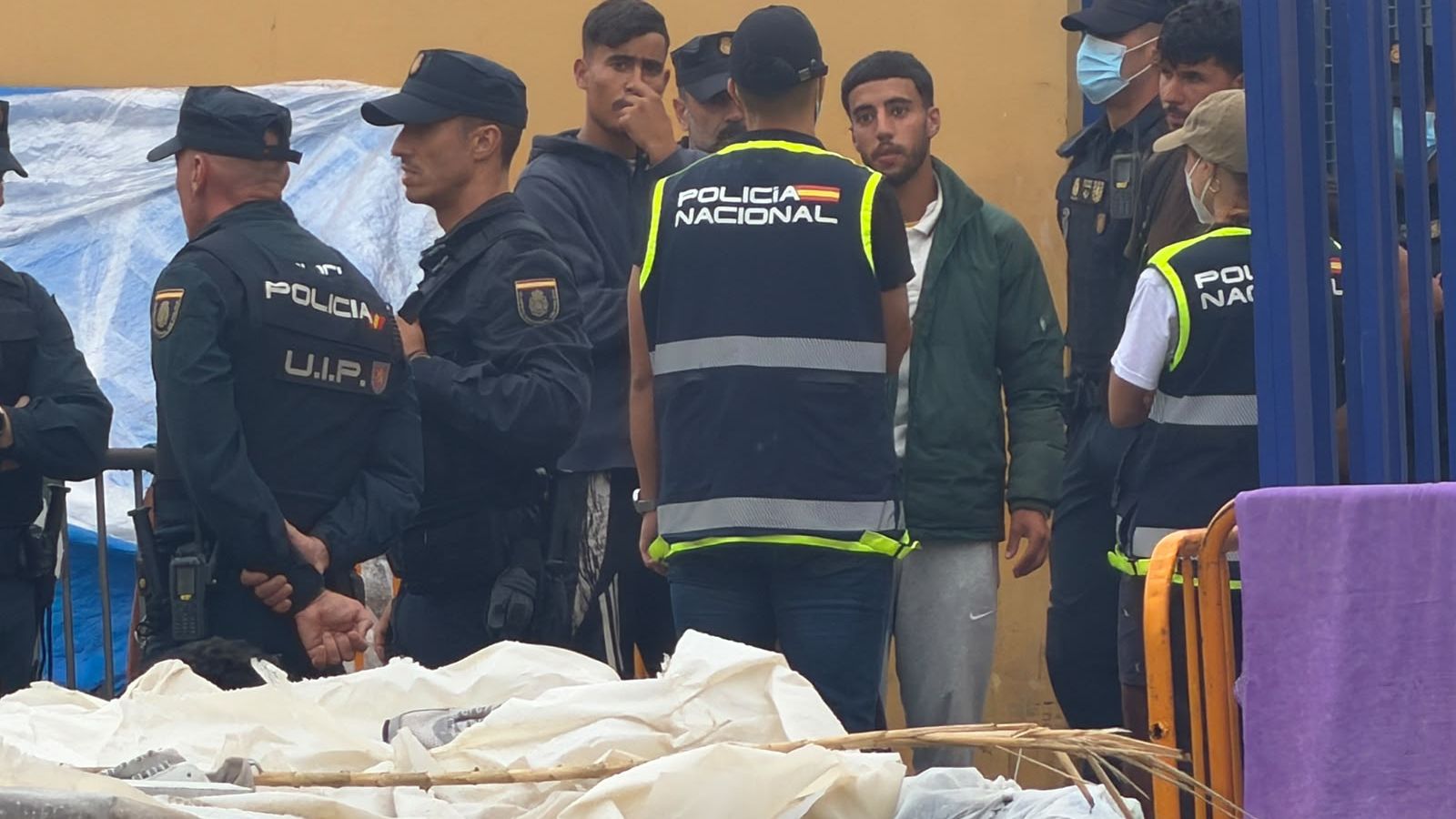
Recent reports indicate that the Loma Colmenar camp has been expanded to accommodate between 300 and 400 migrants following the addition of more tents. Furthermore, the reception facility at Caballería is reportedly nearing completion, although Minister Ángel Víctor Torres informed the media that this facility would only be designated for women. However, sources from CATE have suggested to this newspaper that some individuals registered this Sunday will also be sent there.
CATE has the capacity to register a maximum of 126 individuals per day, but it remains uncertain whether this will be the number of migrants transferred from the Trampolín or where additional individuals will be taken until they can be registered in the coming days. Initially, the Ceuta Superior Police Headquarters stated that the operation's objective was to move all migrants to CATE for processing.
According to police sources, many migrants prefer to return to Morocco rather than go through the CATE after spending two months living outdoors. Both the police and the government have not disclosed specific numbers regarding this situation. This lack of data was also evident following the eviction of between 300 and 400 individuals living in the Benítez beach settlements last Tuesday, where unofficial sources indicated that the vast majority returned to their home country, yet public administrations did not provide any figures. As of now, the same lack of clarity persists.
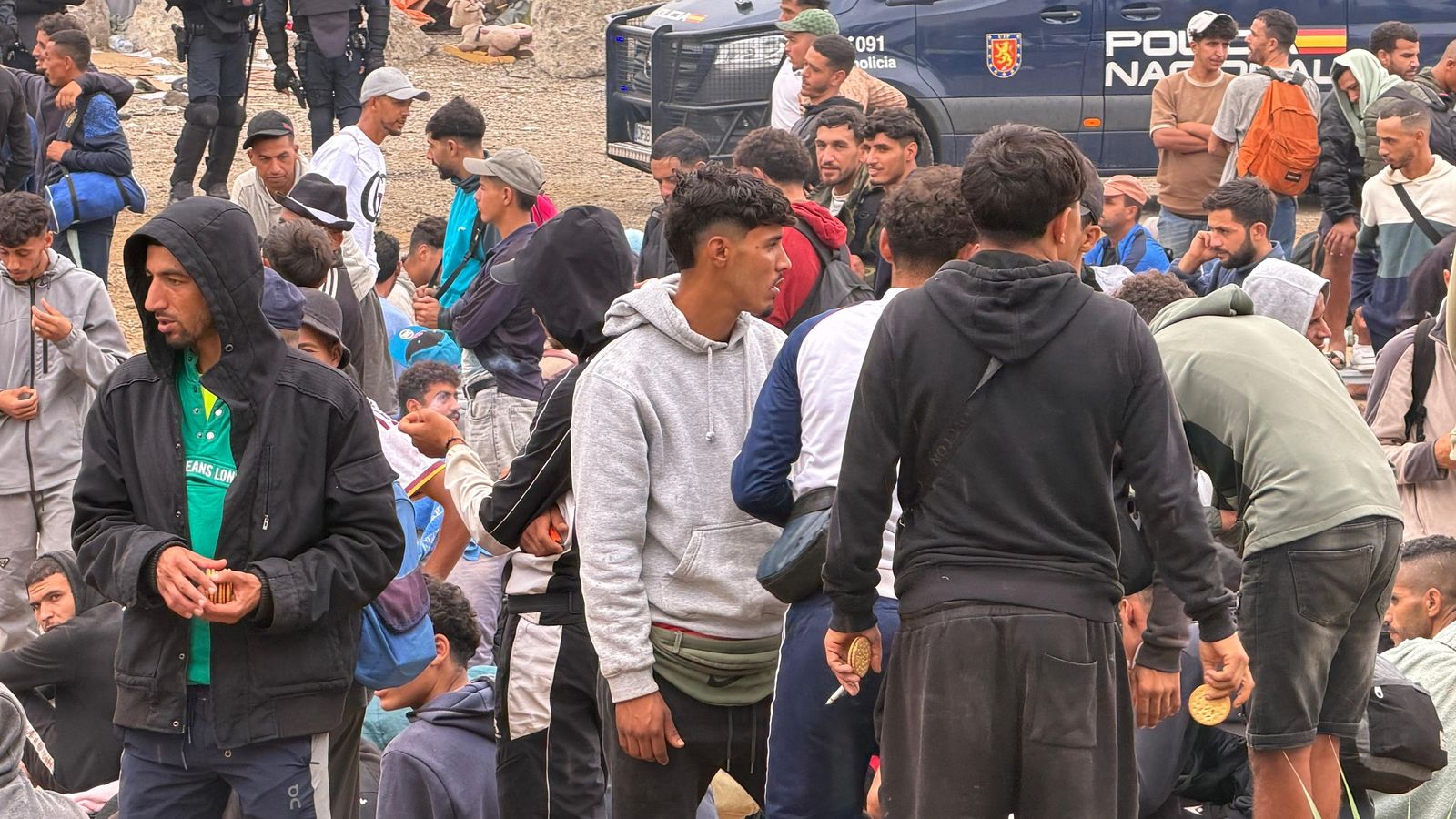
It is estimated that over 3,500 individuals were sleeping on the Trampolín beach, based on the daily food rations distributed. The National Police reported earlier that this operation was intended to be only a "first phase" of the beach eviction. A complete dismantling of the area will require the availability of thousands of free accommodation spots. In addition to the facility at Caballería, which, although initially intended only for women, may now also accommodate men, the government announced last week that they will establish a camp in an area adjacent to the Fuerte Mendizábal Penitentiary Center.
This project near the prison is still in its early stages, with not a single tent erected yet, and essential installations for water and electricity still to be completed. There is no estimated date for when this facility will be operational. Sources believe it could accommodate over 2,000 individuals, although the government has yet to provide specifics about its capacity.
The Police Operation Details
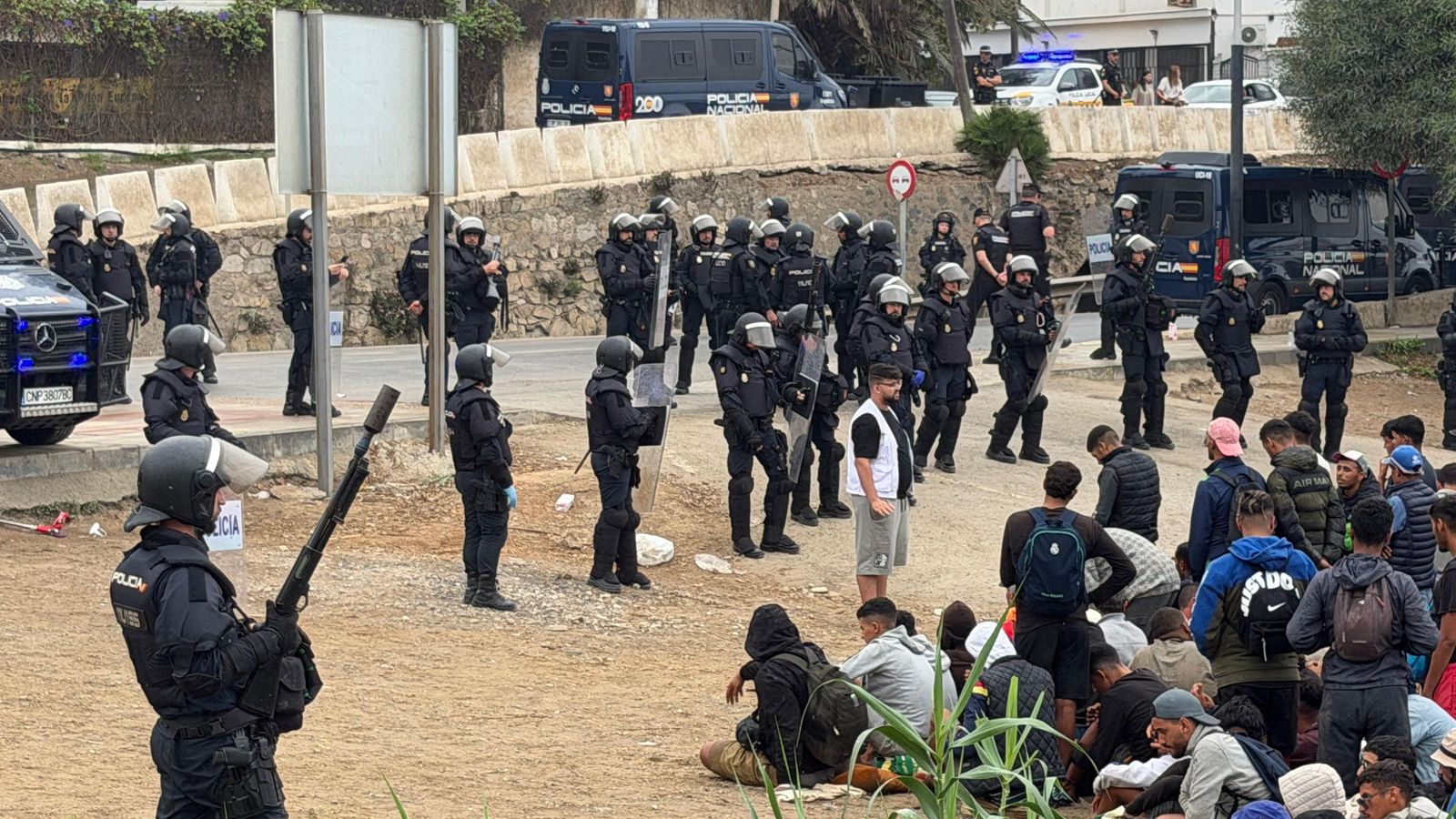
The only information available to the press regarding the operation to partially dismantle the Trampolín has focused on the material and human resources deployed by the National Police. The operation, which began at 8:00 AM, consists of eight intervention groups supported by various police units, including the UPR, GAC, Immigration, and Air Unit, totaling over 350 agents. Numerous resources have also been deployed, notably two armored VIPA 6X6 vehicles and a URO tactical mobility vehicle, all utilized by the Police Intervention Unit (UIP).
Additionally, the operation has the collaboration of the Civil Guard, which has deployed divers and three boats in anticipation of potential escape attempts by migrants swimming across the border; local police have closed off traffic to access points in the deployment area, and the Ceuta General Command has established a second security line around the police deployment. The Autonomous City is also contributing logistical support and cleaning services.
The reasons behind this relocation, as reported by the National Police, are linked to the availability of spaces in facilities established by the Ministry of Inclusion, Social Security, and Migration, as well as the need to provide migrants with shelter from adverse weather conditions and unsanitary living situations. However, the ministry continues to withhold information regarding the number of available spaces and their locations.
As reported by elpueblodeceuta.es.