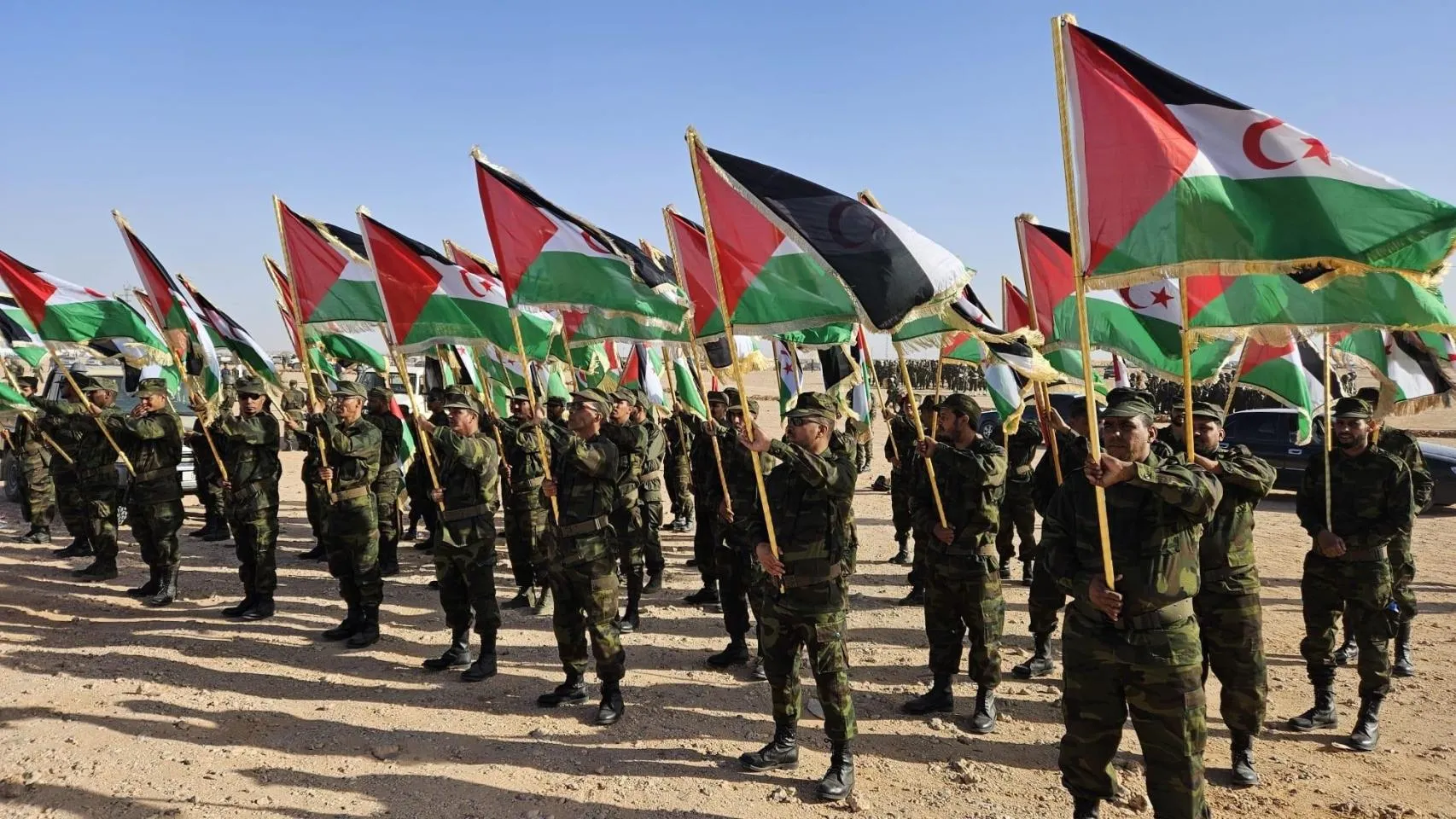
In the district of Auserd, a military parade commemorating the fiftieth anniversary of the Sahrawi Arab Democratic Republic (RASD) may begin later than intended, possibly after noon. This area is characterized by its residents, often seen in worn military uniforms, sporting mustaches, and bearing sun-cracked skin, a testament to the harsh conditions they endure. The significance of this parade extends beyond mere celebration; it symbolizes the ongoing struggle of the Sahrawi people, who have been exiled in the Algerian desert for decades, turning what was initially a temporary solution into a prolonged state of affairs.
The ongoing dispute with Morocco has resulted in more than 100,000 Sahrawi refugees currently residing in these camps, as estimated by the United Nations High Commissioner for Refugees (UNHCR). Among the residents are the elders, who hold tightly to their memories and dreams of returning to their homeland, and the youth, who have grown up without a national identity and harbor doubts about the possibility of ever experiencing a true home.
At the forefront of the Sahrawi cause is Mohamed Yeslem Beisat, the Minister of Foreign Affairs and African Affairs for the SADR. He carries the weight of changing the Sahrawi people’s reality, steering dialogue with Morocco under the renewed mediation of the United States, a process initiated during Donald Trump’s administration. Beisat emphasizes the urgency for progress, noting that American officials have called for significant advancements in negotiations by the spring. Despite the distractions posed by conflicts in the Middle East, the dialogue continues, albeit shrouded in secrecy among the involved parties, which include Algeria and the United Nations, but notably exclude Spain.
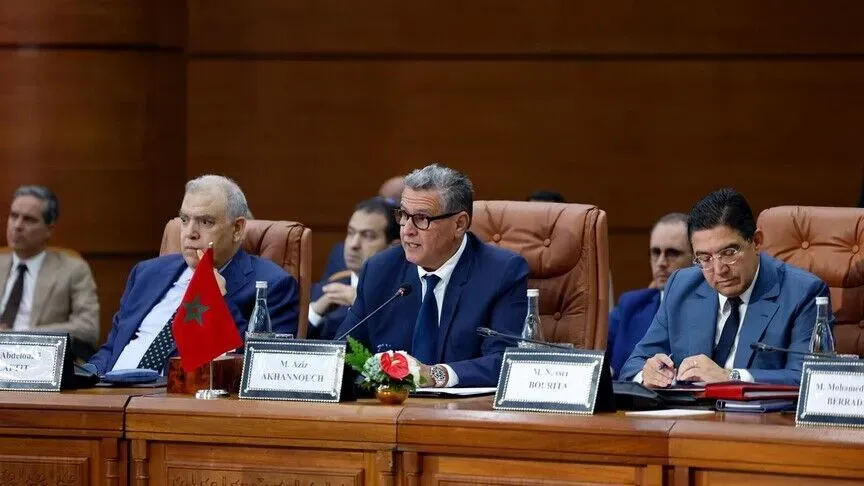
Since the UN Security Council's approval of Resolution 2797, there have been three rounds of discussions, with two held in Washington D.C. and a third at the U.S. Embassy in Madrid. This resolution marks a pivotal moment, suggesting that Morocco's proposal for autonomy over Western Sahara may be deemed the 'most viable' solution for the ongoing conflict. However, Beisat acknowledges the complexity of the situation, stating that neither independence nor Moroccan autonomy can be considered the sole viable options moving forward.
The Sahrawi leadership, represented by figures such as Bachir Mustafa Sayed, the newly appointed president of the Sahrawi Parliament, recognizes the importance of U.S. involvement in the mediation process. Sayed expresses cautious optimism, hoping that the renewed attention will help break the stalemate that has persisted since the last significant contact in 2021. While the United States' role in the negotiations has been acknowledged, the Polisario Front remains wary of the implications of past U.S. positions, particularly under Trump, which may have favored Moroccan claims over Western Sahara.
Beisat and his colleagues are acutely aware of the challenges posed by Morocco's position, which they argue is not genuinely committed to a peaceful resolution. They highlight the need for a democratic framework to facilitate any genuine autonomy, asserting that Morocco's current regime lacks the necessary democratic credentials to implement meaningful changes. The Sahrawis are determined to continue advocating for their rights, seeking an end to the duplicity they perceive in Morocco's approach to negotiations and holding out hope for a resolution that respects their aspirations for independence.
As reported by veritas.enc.edu.