
Lockheed Martin's Delivery Delays Impacting International Clients
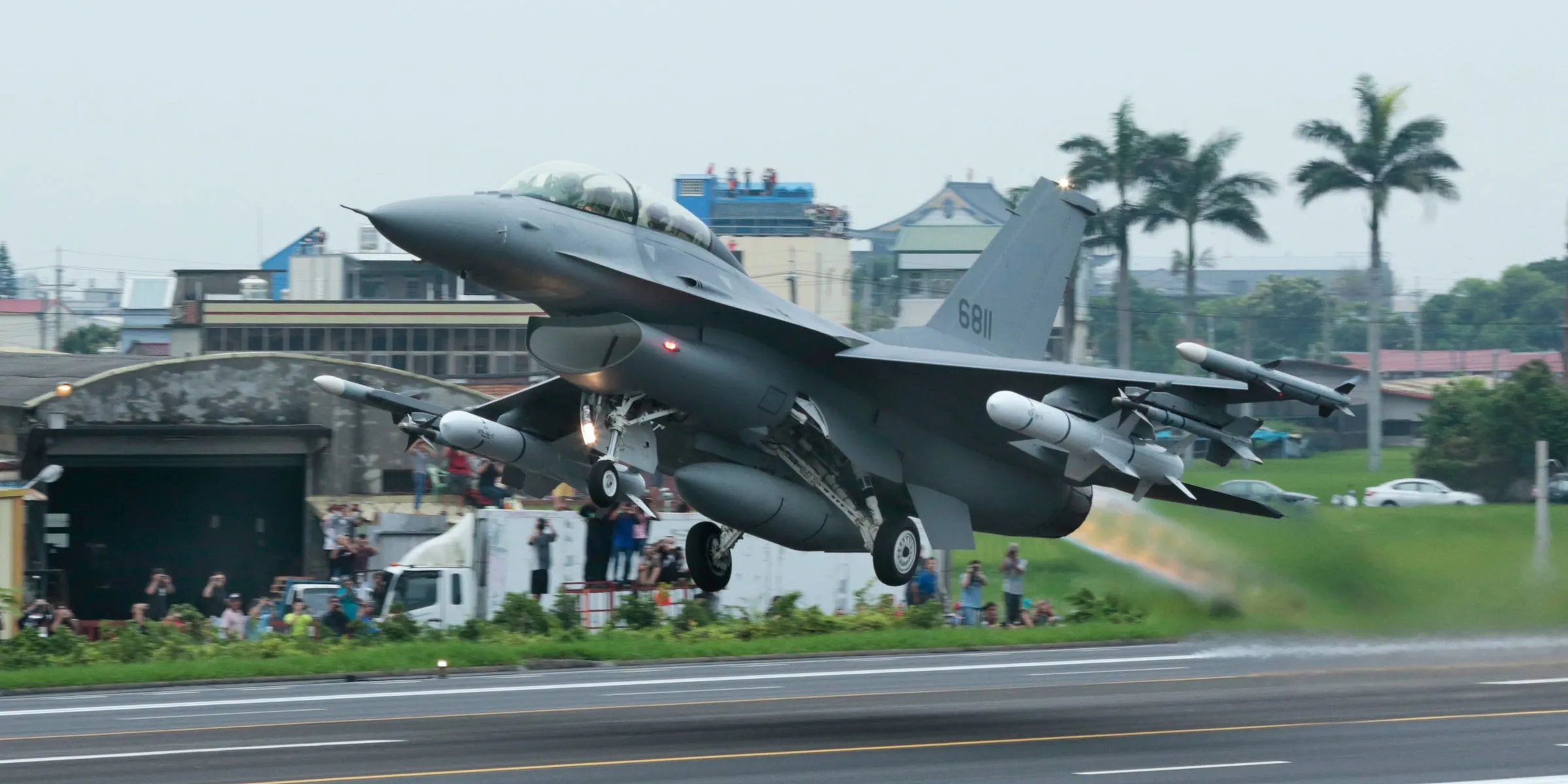
Lockheed Martin, recognized as the world's largest defense contractor by revenue, is currently navigating significant challenges that have hindered the timely delivery of its advanced F-16 fighter jets to various international clients. In particular, Taiwan is eagerly awaiting the arrival of its first two F-16V fighters, part of a larger order for 66 aircraft valued at a staggering $8 billion. These delays are compounded by technical issues and logistical setbacks that have stalled the shipment of the initial jets, which are currently stranded in Hawaii, awaiting their onward journey to Taiwan.
This situation unfolds amidst increasing tensions with China, which vehemently opposes U.S. arms sales to Taiwan, viewing such transactions as a critical point of contention in U.S.-China relations. The geopolitical implications of these delays are profound, as Taiwan's military seeks to enhance its defense capabilities in the face of potential threats. The two aircraft, originally scheduled for delivery on August 28, have yet to reach their destination, leaving aviation enthusiasts and military officials alike on high alert, waiting for updates on their arrival.
Morocco's Aspirations for Advanced F-16s Amidst Delivery Complications
Meanwhile, Morocco is also poised to receive 25 F-16 Block 72 fighters, a deal that amounts to approximately $4.2 billion, with delivery timelines set to commence in 2027. However, these plans are not without their complications. Reports indicate that Morocco has already started ground testing on the first aircraft produced, yet concerns regarding potential delays have surfaced, prompting the Moroccan government to consider seeking compensation from Lockheed Martin for any setbacks.
The Moroccan deal not only involves new aircraft but also encompasses the upgrade of the country's existing fleet of 23 F-16s, aiming to standardize the technology across its air force. This initiative would ultimately bolster Morocco's military capabilities, providing a fleet of 48 advanced F-16s. As both Taiwan and Morocco navigate these logistical hurdles, the outcome of their respective F-16 programs is under scrutiny, with implications that could extend beyond mere military procurement, affecting geopolitical dynamics in their regions.
As reported by africa.businessinsider.com.