

Understanding the Returning Experience for Moroccans Living Abroad
On the occasion of the National Day for Moroccans Living Abroad, celebrated annually on August 10, the issue of returning and settling in Morocco has resurfaced, especially in light of the myriad challenges faced by community members who wish to transition from temporary visits to permanent residency. These challenges include adapting to a new lifestyle, navigating complex administrative procedures, securing education for their children, and the need for ongoing institutional support. Furthermore, unique issues arise for children who have grown up in foreign lands, making their reintegration particularly complex.
Amineh Ghansi, currently residing in Marrakech after years in France, shares her journey back home, emphasizing that reintegration was far from straightforward. She notes the various difficulties her family faced, particularly regarding the education of her children and their integration into society. In an interview with Hespress, Ghansi recounts feelings of exclusion some expatriate Moroccans experienced upon returning, often being perceived as foreigners despite their strong ties to their homeland. She poignantly expresses, "We suffered from this a lot," highlighting that this sentiment extended to her children as well.
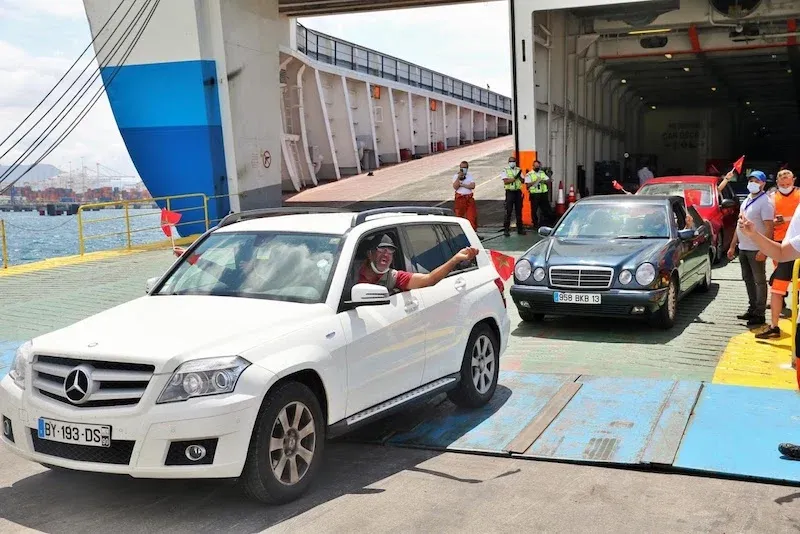
Reflecting on her experiences in Essaouira, Ghansi recalls a moment that underscored the significant contributions of Moroccans abroad to local life. During a period of increased activity at Essaouira airport, she participated in welcoming numerous visitors arriving from flights. While many members of the community engaged wholeheartedly in this welcoming process, she felt that their efforts were not met with the appreciation they deserved. This led her to question, "Are we Moroccans or not? Why do people treat us this way?" Despite these challenges, Ghansi ultimately views her return positively, noting that her children have managed to settle and integrate well. She emphasizes the importance for Moroccans abroad who wish to return to be 'brave' and not hesitate in pursuing this experience.
Ghansi concludes that the return of skilled Moroccans and expatriates can significantly benefit Morocco, especially if their experiences and expertise gained abroad can be harnessed within the country. She advocates for them to "bring back the valuable things they learned in Europe and apply them here in our homeland."
Administrative Challenges and Adaptation
Salem Faqir, another member of the Moroccan diaspora, underscores that the decision to return and permanently settle requires a transitional phase that allows returnees to acclimate to their new surroundings and organize their lives and projects. He explains to Hespress that the difficulty does not lie within the Moroccan administrative system itself but rather in the challenges of accessing information and the complexity of certain bureaucratic processes. He points out that those residing in Morocco are more adept at navigating these systems due to familiarity, whereas returning expatriates need time to comprehend and adapt to these procedures.
Faqir references administrative circulars, including Circular No. 07 of 2025, which advocates for a 'one-stop shop' approach in service provision. However, he believes that such measures remain organizational in nature and calls for legal institutionalization of these mechanisms to ensure they are effectively and uniformly implemented across various departments.
He suggests that expatriates contemplating a return may require a transitional period of up to three years to adequately organize their affairs and establish their businesses, highlighting that returning is not merely a geographical shift but a process that necessitates prior preparation and continuous support.
Children's education emerges as a significant challenge for families returning, especially if children are older than 11 or 12 years. The transition between languages and educational curricula poses difficulties. Faqir urges the need for support mechanisms, such as scholarships and enrollment in educational institutions that facilitate the transition into the Moroccan educational system without imposing additional financial burdens on families.
He stresses that the decision for permanent return should be based on careful planning and preparation, particularly for families with children, asserting that a permanent return cannot be approached with the same mindset applied to temporary visits or summer vacations.
Successful settlement requires evaluating various factors before making a decision, including housing, the appropriate age for children to transition, the quality of educational institutions, job opportunities, and the overall environment that will support the family post-return.
In discussing representation for expatriates, Faqir calls for a shift away from addressing the issues of Moroccans abroad solely during seasonal events. He emphasizes that support for this demographic should be consistent throughout the year, given their ongoing remittances, investments, and contributions to the national economy. He advocates for parliamentary representation for expatriates within the Moroccan parliament to ensure their concerns regarding real estate, legal, and investment issues are communicated directly and continuously to relevant authorities.
As reported by hespress.com.
