Overview of the Groundbreaking Project
A $30 billion initiative aimed at supplying Germany with renewable energy from Morocco is currently facing significant challenges, as reported by Reuters. This ambitious project, which plans to establish the longest underwater intercontinental power cable in the world, is designed to connect Morocco and Germany through two marine cables. The implementation of these cables has the potential to meet approximately 5% of Germany's annual electricity demand. To manage this extensive project, a German company named 'Sila Atlantic' has been established.
Technical and Political Hurdles
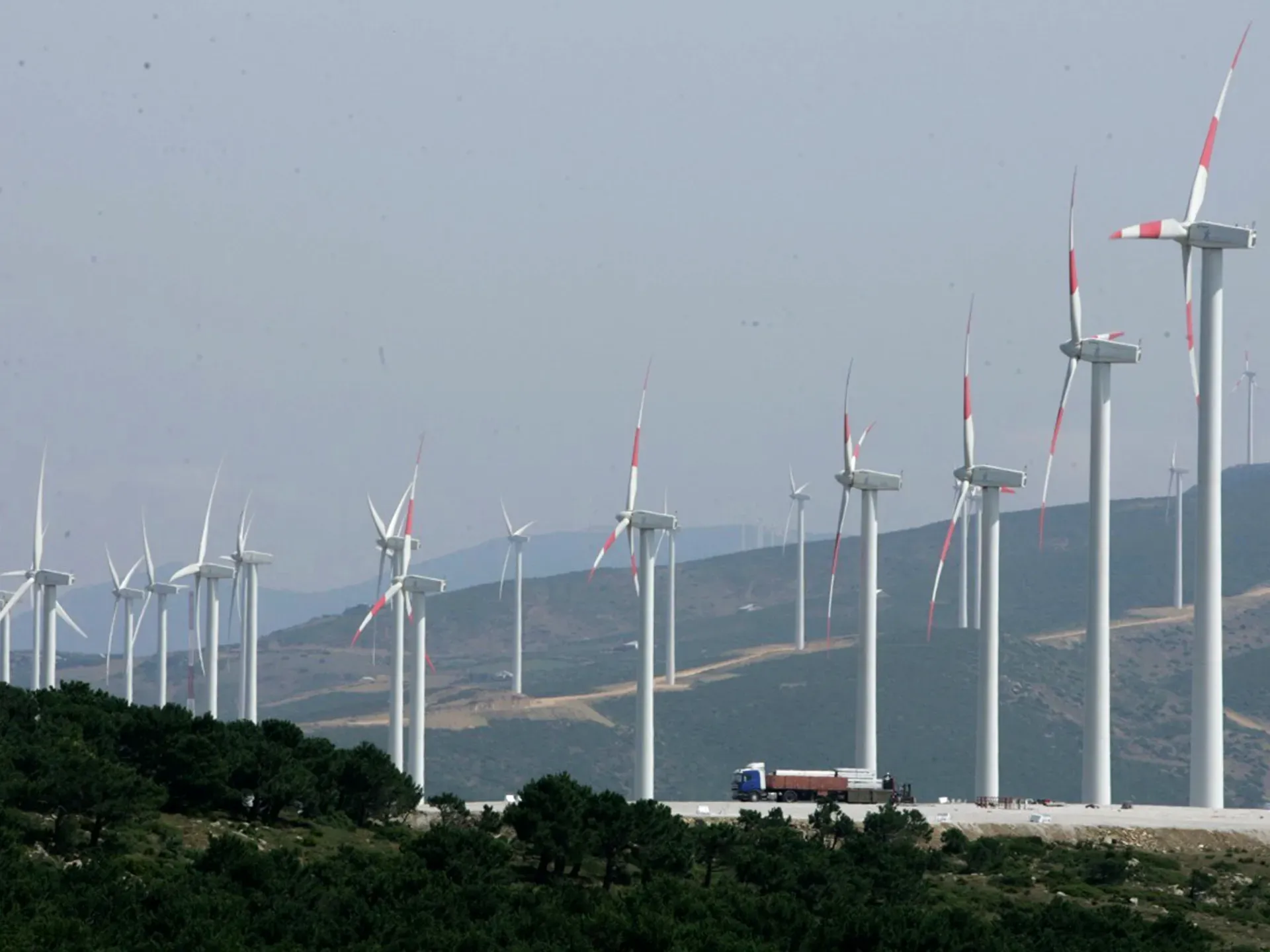
The proposed plan involves laying two underwater cables extending over 4,800 kilometers, capable of delivering up to 15 gigawatts of energy derived from solar and wind power generated in Morocco. This initiative aligns with Germany's broader efforts to reduce its reliance on traditional energy sources such as natural gas and oil, propelling a transition to renewable energy sources. In June 2024, the German Ministry for Economic Cooperation and Development announced a partnership with Morocco to form a climate and energy alliance aimed at expanding renewable energy capabilities and hydrogen production in the North African nation. German Development Minister Svenja Schulze remarked that Morocco possesses optimal conditions for energy transformation and green hydrogen production, expressing Germany's intent to import hydrogen.
As Germany aims for net zero emissions by 2045, it is anticipated that the nation will need to import up to 70% of its hydrogen requirements in the future. However, the country currently lacks the necessary space and conditions to produce substantial amounts of wind and solar energy domestically. Despite the project's promise, it is facing obstacles. According to insiders from both Moroccan and German sources, the Moroccan government insists on a government-to-government agreement that receives official approval from Berlin, ensuring long-term support for the project from the German government. Furthermore, Moroccan authorities seek to establish a bi-directional electricity connection, enabling the flow of electricity between Morocco and Germany in both directions, rather than solely exporting electricity to Germany.
An anonymous German source informed Reuters that while a bi-directional connection is technically feasible, it would incur higher financial costs. In response to inquiries concerning the status of the project, Sila Atlantic stated that it is progressing according to its technical, commercial, regulatory, and financial roadmap. Currently, Morocco provides the only electrical interconnection between Africa and Europe via Spain, which has been instrumental in preventing a recurrence of the extensive power outage experienced by Madrid last year. Plans are also underway for another interconnection between Morocco and Spain, with a capacity of 700 megawatts, while a proposed connection between Morocco and Portugal is under study and may require investments of up to 735 million euros (approximately $838 million). Additionally, there are reports of plans for electrical interconnections with France.
As reported by aljazeera.net.