
Unprecedented Administrative Chaos in Fes-Meknes Region
The Fes-Meknes region is currently experiencing significant turmoil within its elected institutions, which seem to be spiraling into disarray marked by unprofessional and chaotic management practices. This disorganization has been observed across various entities within the region, particularly in the capital, Fes, and its adjoining city, Meknes. Despite the substantial funds allocated for operational budgets, infrastructure development, travel, and lavish events, many institutions resemble a disheveled operation run by an amateur rather than a structured administrative body.
Protests Erupt Over Poor Working Conditions
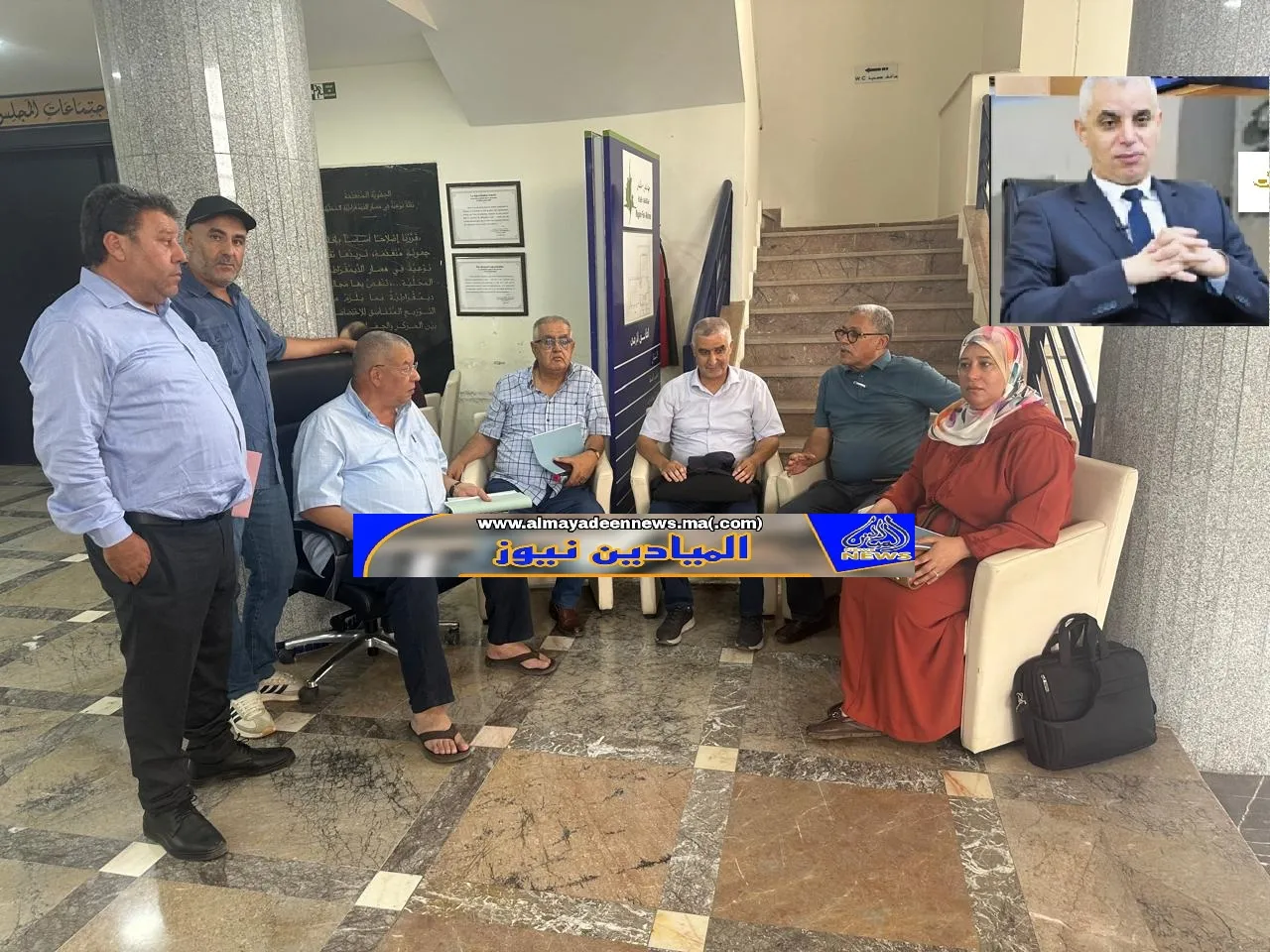
On the morning of October 1, 2026, the headquarters of the Fes-Meknes region was shaken by vehement protests from members of the Finance and Budget Committee, part of the regional grouping responsible for water and electricity distribution. The committee, led by parliamentarian Hassan Al-Shehabi, had convened to prepare for the upcoming October session. However, they were met with an unexpected and disheartening situation: makeshift seating arrangements hastily set up in the building’s entrance hall, which lacked the essential conditions for a proper administrative meeting. Shocked committee members, who traveled from various rural municipalities at their own expense, found themselves seated on mismatched chairs in a space ill-equipped for formal discussions. This prompted many, including the head of the financial department, to stand due to the inadequate arrangements.
In light of this blatant disregard for organizational standards and the absence of proactive measures from the head of the regional distribution group, Mohamed Boukili, the committee members opted to abandon the meeting in protest. This incident highlights the dismal state of governance prevalent among elected officials and public administrations in the Fes-Meknes region, raising serious questions about the accountability of the regional wali, Khalid Ait Taleb. The ongoing administrative shortcomings not only reflect poorly on the management of public funds—amounting to billions of centimes programmed for various projects—but also hinder the ability of both employees and elected officials to effectively perform their duties.
Moreover, the regional multi-service company "Fes-Meknes" is grappling with logistical challenges that have prevented it from providing its customers with accurate water and electricity bills for months, an issue compounded by undisclosed reasons. With the recent structure established for the regional grouping of municipalities on December 4, 2024, under Boukili's leadership, various committees have struggled to convene, including those focused on electricity, public lighting, drinking water distribution, decentralized cooperation, and financial affairs.
This chaotic situation calls for immediate intervention from higher authorities to restore order and ensure that the significant financial resources allocated are put to proper use, thus allowing officials to fulfill their roles effectively. The systemic failures in the Fes-Meknes governance model must be addressed to prevent further deterioration and to safeguard the interests of the citizens reliant on these essential services.
As reported by almayadeennews.ma.