
Colombia's Shift in Foreign Policy
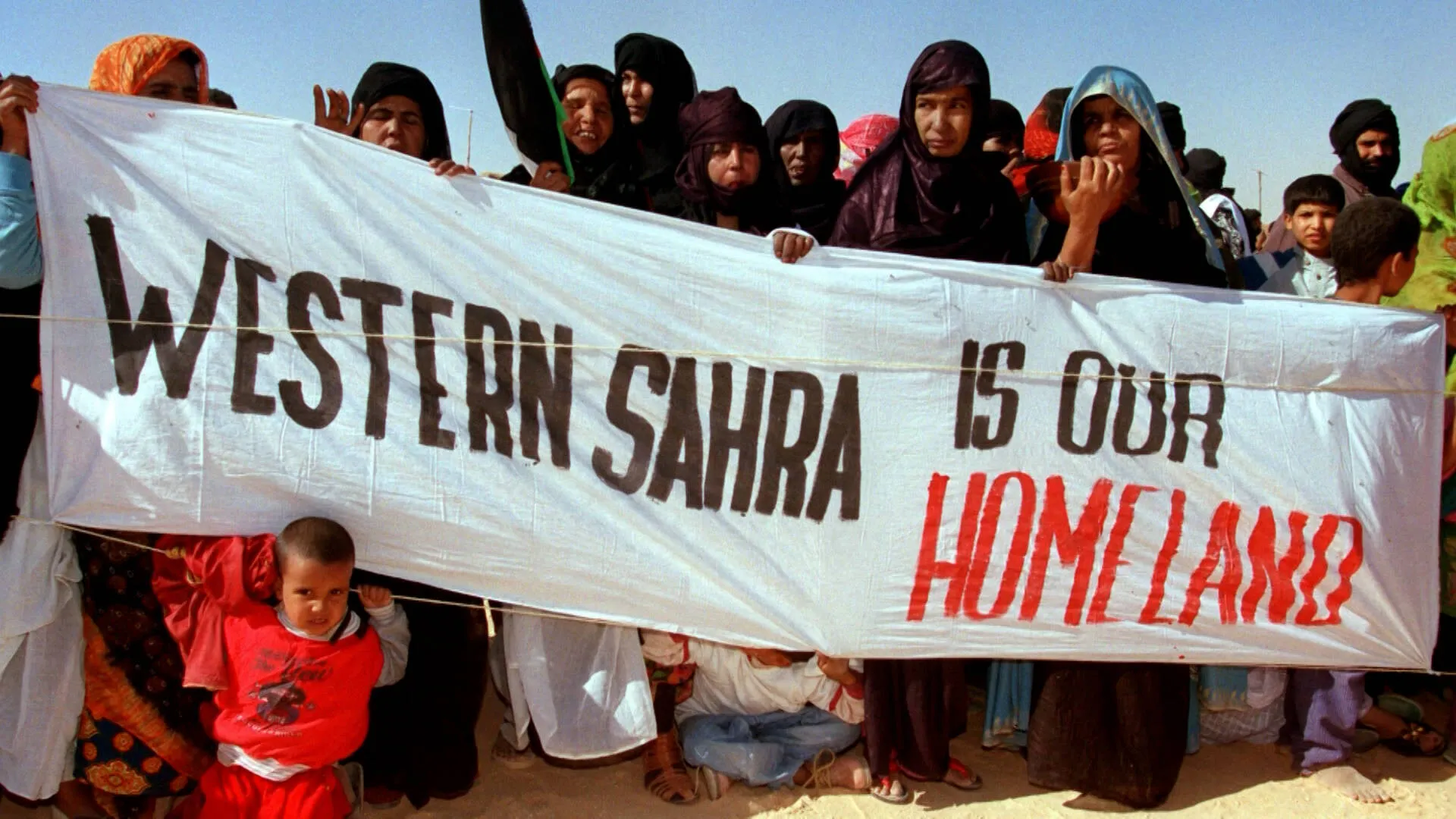
The administration of Colombia's newly elected president, the right-wing Abelardo de la Espriella, has made a significant foreign policy decision by officially recognizing Morocco's sovereignty over the disputed territory of Western Sahara. This shift marks a dramatic change in Colombia's diplomatic stance, as the country has also suspended its relations with the Sahrawi Arab Democratic Republic and ceased its support for the Polisario Front, the liberation movement advocating for the independence of the Sahrawi people. Morocco has maintained a controversial occupation of Western Sahara since 1975, disregarding United Nations resolutions and international calls for self-determination. This recognition follows a broader trend initiated by the Trump Administration in 2020, which aimed at normalizing relations between Israel and neighboring Arab countries, further complicating the geopolitical landscape in the region.
Colombia Faces Natural Disasters
In a tragic turn of events, Colombia is grappling with the aftermath of a devastating 7.4 magnitude earthquake that struck the Chocó department and other areas on August 11, 2026, resulting in over 160 fatalities and significant destruction. The earthquake, which occurred just days after President de la Espriella took office, has led to a state of emergency as rescue operations continue, with fears that the death toll may rise. The U.S. Geological Survey identified the epicenter near San José del Palmar, a small town with a population of around 5,000. This region is one of Colombia's most impoverished, and major cities like Pereira and Cali are among the hardest hit, with reports of patients trapped in collapsed hospital buildings. Local residents have expressed concerns about the lack of preparedness and the urgent need for community solidarity to address such catastrophic events.
As reported by democracynow.org.