
Colombia Backs Morocco’s Sovereignty Over Western Sahara
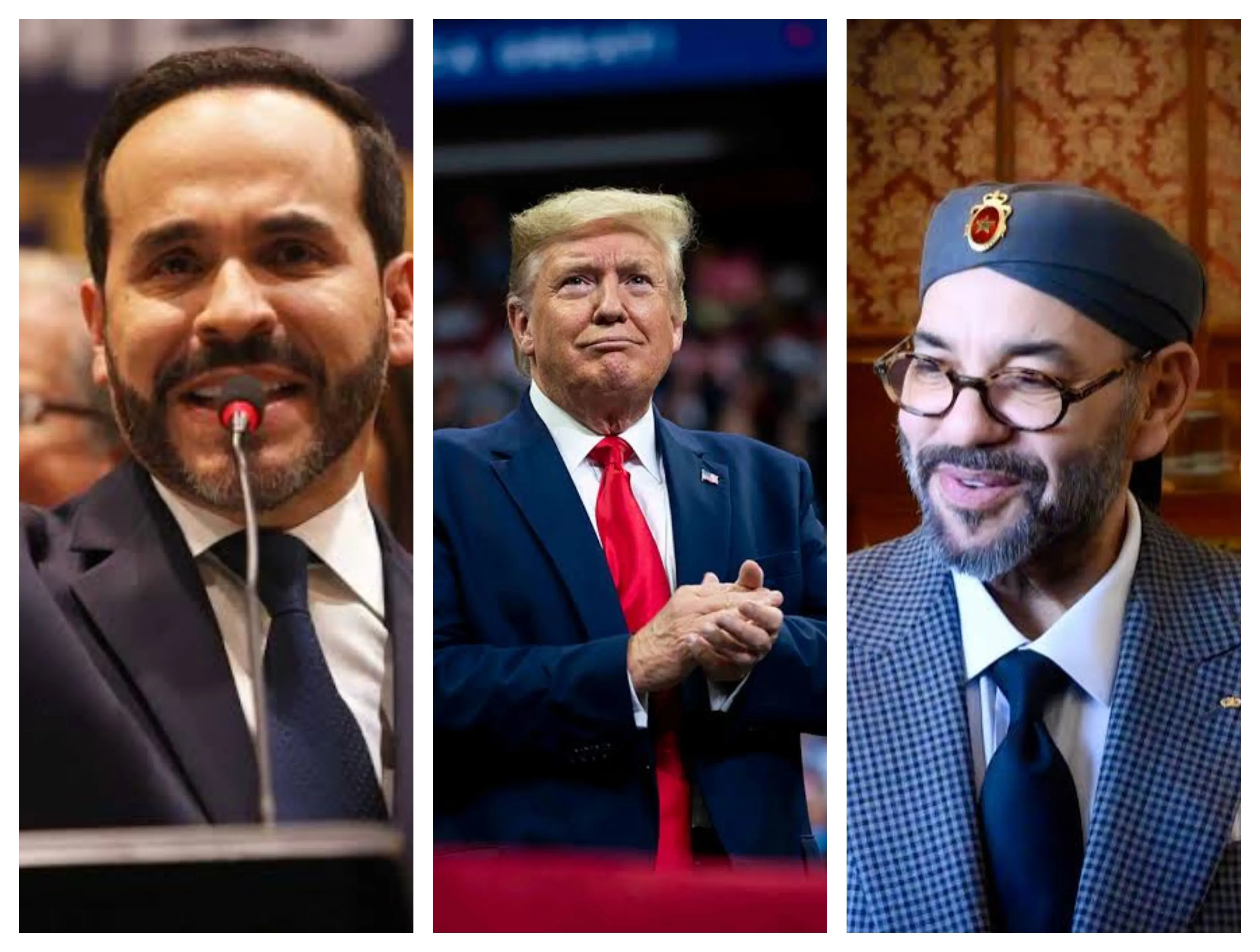
In a significant diplomatic turnaround, Colombia has officially recognized Morocco's sovereignty over Western Sahara, aligning itself with the United States and departing from the previous administration's position that acknowledged the Sahrawi Arab Democratic Republic (SADR). This decision, announced following talks between Colombian and Moroccan officials, is viewed as a substantial diplomatic victory for King Mohammed VI of Morocco, as it bolsters international backing for Morocco's claims over this contested territory.
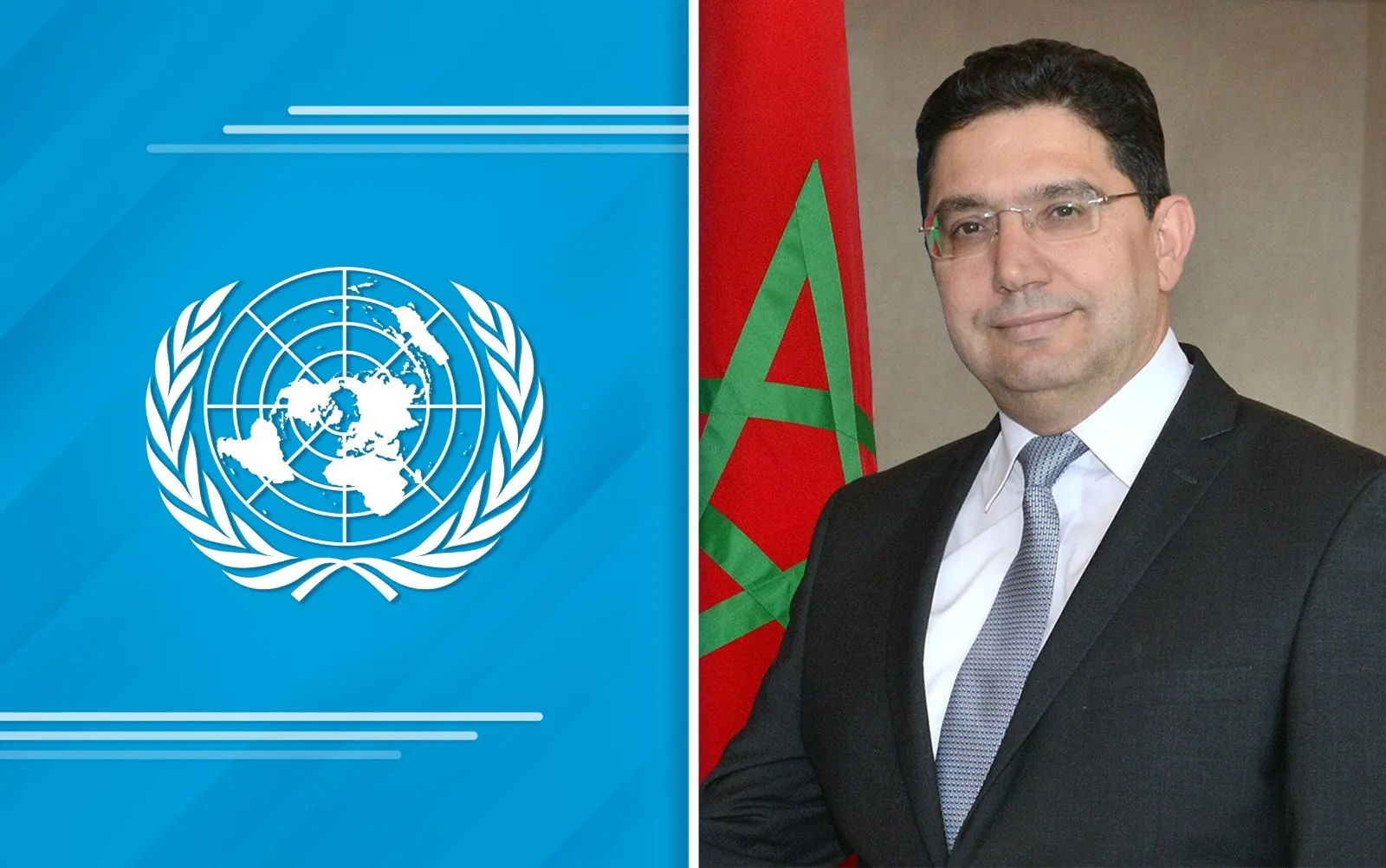
The shift in Colombia’s stance was revealed during discussions in Cali, where Moroccan Foreign Minister Nasser Bourita met with Colombia’s Vice-President José Manuel Restrepo and Foreign Minister Omar Bula Escobar. Bourita’s visit coincided with the inauguration of Colombia's new president, Abelardo de la Espriella, marking a pivotal moment in the relationship between the two nations. Bula Escobar emphasized that Colombia now "recognizes Morocco’s sovereignty over its Sahara," signaling a strategic reorientation in Colombia's foreign policy regarding one of Africa's longest-standing territorial disputes.
Strengthening Ties: A New Chapter for Colombia and Morocco
Colombian Vice-President Restrepo characterized this diplomatic shift as a "new beginning" for Colombia-Morocco relations, referring to Morocco as "Colombia’s first ally in Africa." He expressed optimism about enhancing political and economic ties, with a vision of establishing a free trade agreement that could facilitate increased investment and commerce between the two countries. The Colombian government has committed to formalizing its new stance with Morocco and is planning an official visit to the North African nation in November, aiming to transform this diplomatic opening into tangible economic benefits.
Moroccan Foreign Minister Bourita hailed the recognition of Moroccan sovereignty as a historic milestone, suggesting it could lead to significant momentum in bilateral relations. He noted that both countries share common values and aspirations on numerous regional and international issues, expressing hope for a fruitful partnership that could serve as an economic gateway for both nations.
While Colombia's decision to support Morocco adds to the growing international recognition of Morocco's position on Western Sahara, the situation remains complex. The United Nations continues to classify Western Sahara as a Non-Self-Governing Territory, and the conflict remains unresolved. Nevertheless, this diplomatic pivot signifies Colombia's intent to move beyond past tensions and further engage with Morocco and the broader Arab world.
As reported by africa.businessinsider.com.