
Spain's Migration Crisis and Allegations of Disinformation
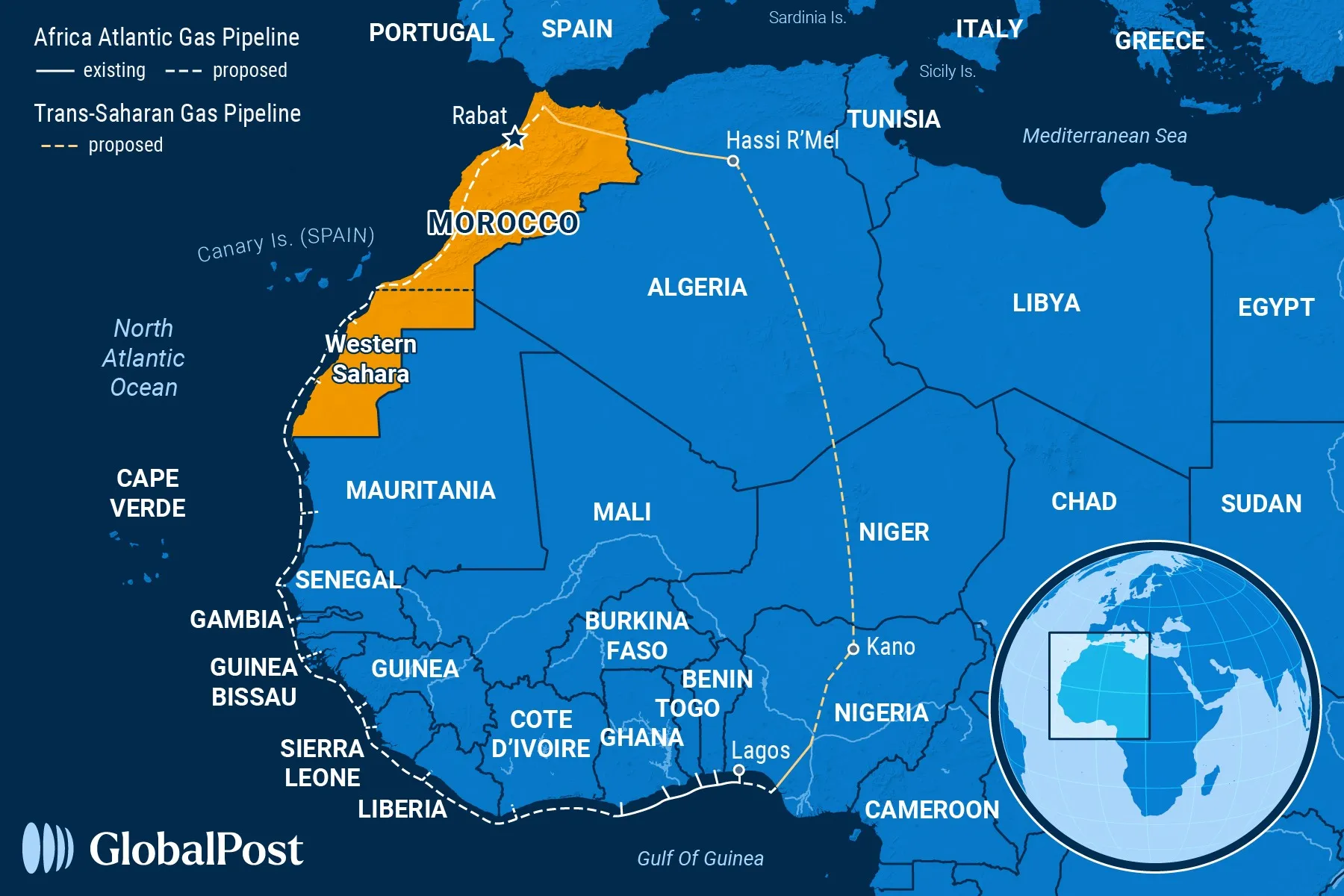
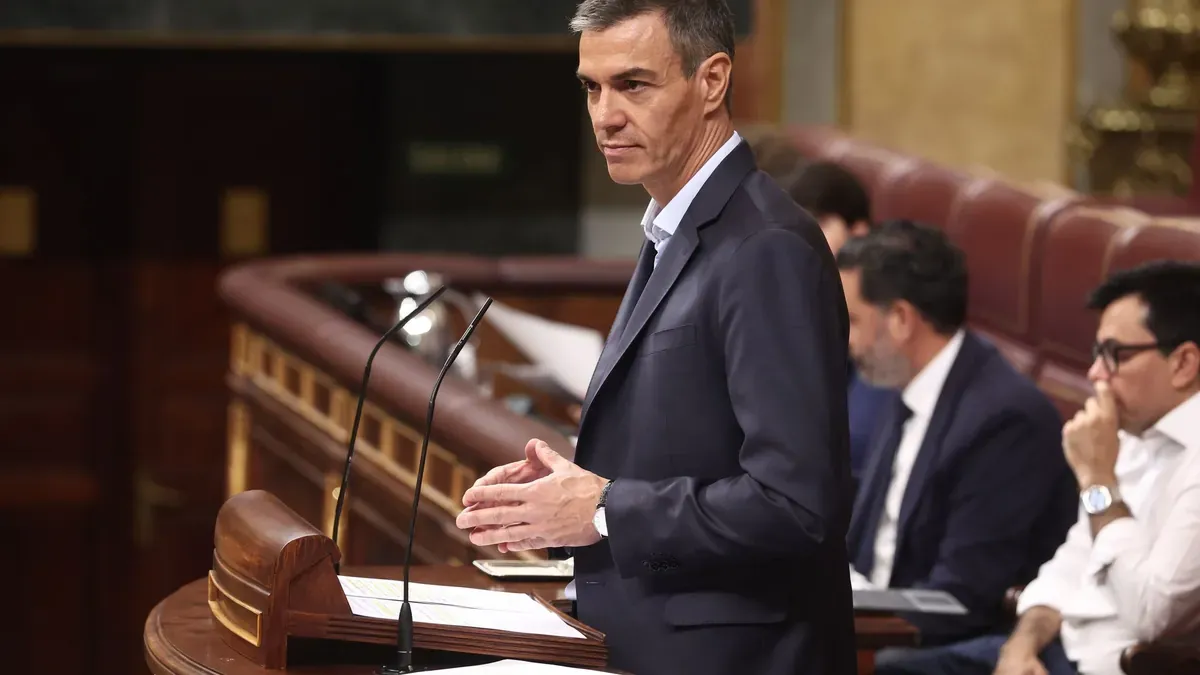
In late July, approximately 72,000 individuals made their way from Morocco to the Spanish exclave of Ceuta within a mere two days, prompting Spanish Prime Minister Pedro Sánchez to voice serious concerns regarding what he perceives as targeted disinformation campaigns. During an interview with the Spanish broadcaster Ser, Sánchez accused social media platforms of having connections to Russia and Israel, suggesting that they played a significant role in exacerbating the mass migration influx through the spread of false information. Sánchez stated that the European External Action Service (EEAS) had informed the Spanish government about these dubious activities, which he believes were not motivated by genuine concern for the migrants, but rather as a response to Spain's criticism of Israel's actions in Gaza and Russia's military aggression in Ukraine.
Furthermore, Sánchez criticized what he termed an "international far-right movement" that continuously exploits the issue of migration to not only attack Spain but also to create divisions within Europe. While it remains unclear whether he was referring to Elon Musk, who on July 31 shared a clip from the apocalyptic film "World War Z" featuring an overwhelming horde breaching Jerusalem's protective walls, Sánchez's remarks underscore a growing concern regarding the politicization of migration narratives. He claimed that such figures could potentially lead Spain to ruin by attracting billions of impoverished individuals.
Current Situation in Ceuta and International Relations
According to Spain's Interior Minister, Fernando Grande-Marlaska, on July 30 and 31, around 72,000 migrants either swam or climbed over fences to enter Ceuta, although most returned within hours. However, reports indicated that around 5,000 migrants remained in the area, which is smaller than Frankfurt Airport, with 1,200 of them being minors. The local populace has increasingly reacted with violence against the prolonged presence of such a large number of migrants, which has placed significant pressure on Sánchez's government.
These allegations of disinformation from Sánchez fit into a broader narrative warning that Moscow has been conducting a hybrid war against the West for years, aimed at destabilizing democratic societies. Hybrid warfare encompasses a mix of military, economic, intelligence, and propaganda strategies, including public opinion manipulation through disinformation and state-sponsored cyberattacks. Russia has previously dismissed claims from various EU politicians that pro-Russian forces have amplified the situation in Ceuta as unfounded speculation.
Moreover, the strategic use of migration as a tool of hybrid warfare has been observed, with countries like Poland, Latvia, and Lithuania accusing Belarusian leader Alexander Lukashenko of orchestrating migrant flows from crisis regions to the EU's borders to exert pressure on the West.
In recent years, relations between Spain and Israel have deteriorated significantly. Spain has emerged as one of the staunchest critics of the Israeli government under Prime Minister Benjamin Netanyahu, accusing Israel of committing genocide in Gaza and condemning ongoing Israeli-American strikes against Iran as violations of international law. Additionally, Spain has imposed sanctions on Israel and recognized Palestine as a state, leading both nations to recall their ambassadors amidst escalating diplomatic tensions over issues such as the Gaza conflict and Israel's illegal settlement activities in the West Bank. An official response from the Israeli government regarding these allegations has yet to be released.
In his interview with Ser, Sánchez emphasized the need for the Spanish government to act based on data and verified facts. He clarified that reports circulating on social media had misrepresented a Supreme Court ruling from July 8, which purportedly stated that individuals who reach Ceuta via swimming cannot be deported. Sánchez asserted that this claim was inaccurate and noted that Morocco had cooperated fully with Spanish authorities during the crisis. However, Morocco continues to assert its claim over the two exclaves and had previously allowed thousands of migrants to reach Ceuta in 2021.
As reported by t-online.de.