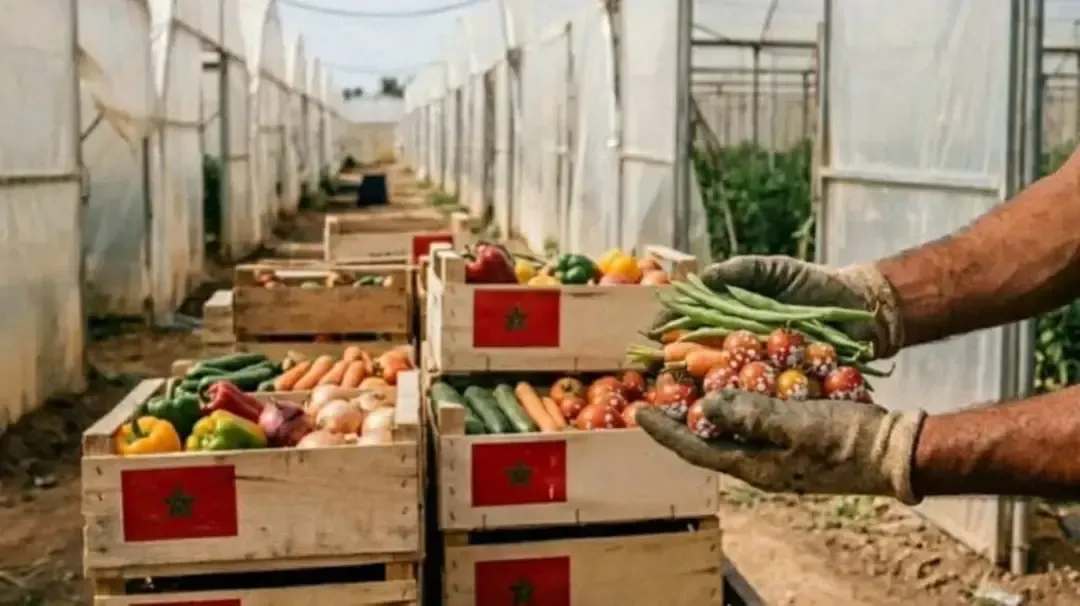

Ongoing Safety Concerns Regarding Moroccan Imports
Recent reports from Spanish media have once again highlighted the ongoing absence of safety standards in products imported from Morocco. The European rapid alert system for food and feed has issued numerous serious alerts regarding these contaminated products, posing significant risks to consumer health. Moroccan experts have labeled the situation an ethical scandal, driven by the pursuit of quick profits. This alarming trend has led to a significant loss of trust among European consumers and many other countries regarding products sourced from Morocco. The persistent alerts from European authorities regarding these products, which fail to meet the safety regulations mandated by the European Union (EU), have intensified calls for stricter controls on these imports.
In this context, the Spanish newspaper "El Español" reported under the headline: "Spain Withdraws Fruits and Vegetables from Morocco Due to Prohibited Pesticides in the EU," detailing recent health alerts issued by Spanish health authorities concerning the safety of food items imported from Morocco. These alerts arose after the discovery of residues from banned pesticides within a shipment of vegetables from Morocco. One notable example involved the prohibition of "parsnips" from entering Spain after laboratory analyses conducted at the border checkpoint revealed the presence of "chlorpyrifos" at levels exceeding the legal limits by five times, alongside residues of "dithiocarbamates." The European rapid alert system for food and feed (RASFF) classified this shipment as "dangerous," prompting Spanish authorities to take immediate action to prevent the distribution of the shipment in markets and to confiscate the quantities for disposal before they reached consumers.
Health Risks and Ethical Concerns
Chlorpyrifos is an organophosphate pesticide that was completely banned by the European Commission in 2020, following scientific and medical studies that demonstrated its harmful genetic and neurological effects on human health, particularly concerning neurodevelopment in children and fetuses, as well as its classification as a potential carcinogenic substance. The recurrent health alerts in recent months regarding agricultural products imported from Morocco include previous incidents of Hepatitis A virus found in strawberry shipments and unauthorized pesticide residues detected in shipments of peppers and tomatoes. Spanish agricultural unions continue to denounce these cases and the threats they pose to consumer health, demanding tighter customs controls to ensure that products imported from non-EU countries adhere to the same stringent health and environmental standards followed by Spanish farmers.
Relatedly, Moroccan media reports have featured statements from nutrition experts warning against the excessive use of chemicals in agricultural products in Morocco, particularly seasonal fruits, which have altered in size and taste, posing a genuine risk to consumer health both domestically and internationally. Experts describe the situation as an "ethical crisis," indicating that the primary objective has shifted to quick profits at the expense of consumer safety. They also emphasized that there are excessive violations in the use of chemicals intended to hasten the ripening of seasonal fruits or produce them out of season, driven by financial gain, even if it jeopardizes consumer health.
As reported by aps.dz.