
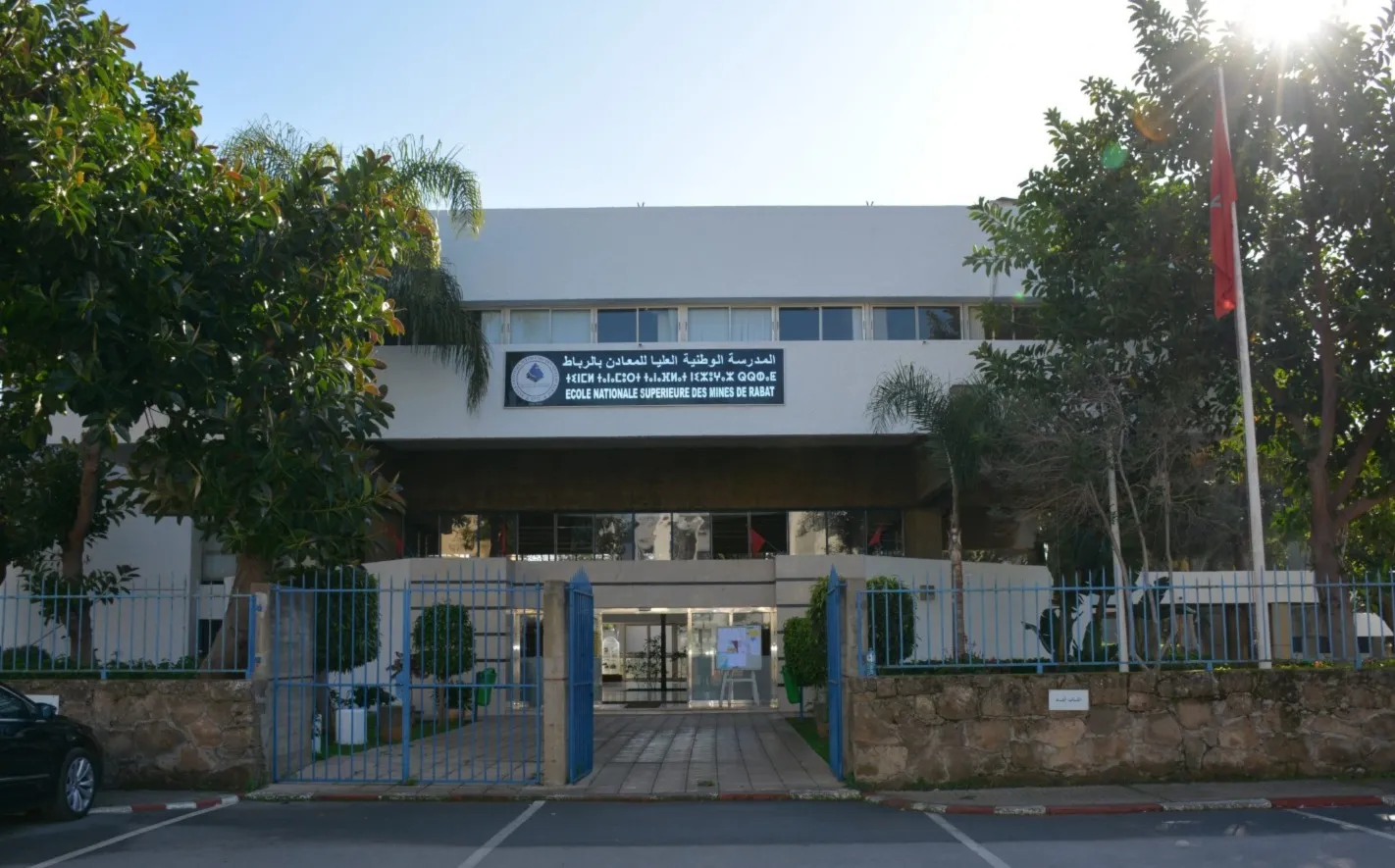

Tan-Tan – A group of first-year students at the National School of Mines of Rabat, commonly referred to as Mines Rabat or ENSMR, have expressed serious concerns regarding hazing practices that they assert have transcended mere integration activities, significantly impacting their dignity, well-being, and safety. Reports from various Moroccan media outlets indicate that these students have submitted a formal complaint to both the school's administration and the regulatory body overseeing the institution, detailing a troubling series of activities allegedly imposed by senior students during the initial weeks of the academic year.
According to the students' complaint, these initiation practices can extend over a duration of approximately 15 days and involve both collective and individual actions. It has been reported that some first-year students have been systematically deprived of sleep and relaxation, while others have faced pressure to disrobe or remain in their sleepwear. The complaint further alleges that students are coerced into using derogatory language and adopting humiliating postures, including a practice referred to as the “Position Minotte,” where participants must place their faces on tables, lower their heads, and position their hands behind their backs.
Additionally, the students highlighted other degrading practices such as eating with their hands while seated on the floor, executing movements known as the “duck walk” and “caterpillar,” and the collective shaving of male students' heads. The students additionally claimed that any refusal to participate in these activities could result in social ostracism or exclusion from various extracurricular events and group activities. Alarmingly, they alleged that some of these activities were organized in collusion with members of the student association, taking place in areas visible to school employees and security personnel. The complaint also references an incident in which a copy of the school's internal regulations was reportedly burned in front of first-year students, although this claim, like many others, has yet to be independently verified.
Understanding Hazing
The French term “bizutage” typically describes initiation rituals imposed on newcomers by their senior peers. While such activities can be framed as welcoming gestures to foster camaraderie among different student cohorts and facilitate the integration of newcomers into the academic community, issues arise when these initiation practices devolve into coercive, humiliating, or degrading experiences. For instance, France’s public administration defines hazing as compelling an individual, regardless of their consent, to undergo or perform humiliating or degrading acts within an educational or socio-educational context. French higher education authorities have similarly cautioned that integration events can slip into hazing when group pressure is exerted to enforce degrading practices.
The students who lodged the complaint clarified that their objection is not to the existence of activities designed to promote interaction between new and senior students; rather, they contend that some of the practices have crossed the threshold from harmless integration into outright humiliation.
Ongoing Debate and Historical Context
The issue of hazing is not a new one at Mines Rabat. The institution previously faced significant scrutiny in 2019 when videos emerged depicting a confrontation involving female students. While some Moroccan media outlets initially connected this incident to hazing, both the school administration and student representatives refuted this claim, asserting that the confrontation was unrelated to initiation activities and occurred off-campus. The latest allegations have sparked a polarized reaction online, with some individuals vocally denouncing the reported practices and advocating for their abolition, while others defend hazing as an entrenched component of student life, arguing that the current controversy exaggerates the reality of what transpires at Mines Rabat.
Numerous commenters identifying themselves as current or former ENSM students have remarked that hazing primarily revolves around “fun and entertainment,” reflecting fond memories of their experiences. Conversely, other voices have characterized the tradition as a beneficial means of cultivating social relationships among students.
As reported by moroccoworldnews.com.

