Political Exploitation of Social Initiatives Raises Eyebrows in Rabat
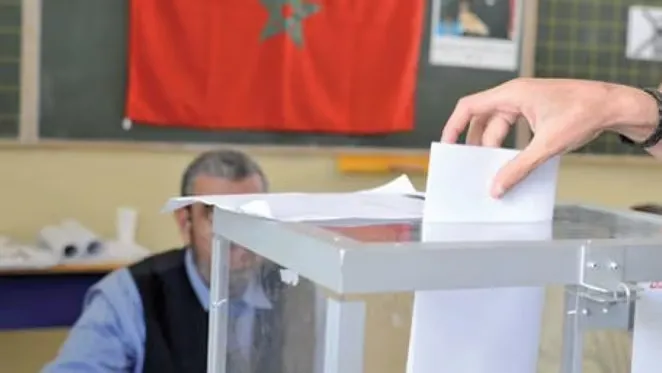
As the September 2026 legislative elections approach, there is growing alarm among civil society members in Rabat regarding the potential manipulation of social projects for electoral gain. Various civil society actors have voiced their apprehensions about vulnerable social groups being used as pawns by political leaders seeking to secure votes. This issue has sparked a significant debate about the necessity of maintaining a clear boundary between social action and political maneuvering, as highlighted in recent discussions reported by the daily newspaper Al Akhbar.
The controversy surrounding the intersection of social initiatives and political agendas is not limited to Rabat; it has emerged as a national concern, with exchanges of accusations among various political factions regarding the exploitation of social initiatives for electoral purposes. Critics, particularly from opposition parties, have pointed out that recent initiatives aimed at launching development projects or distributing social aid ahead of the elections may be tainted by ulterior motives, suggesting that these actions could be a façade for political gain.
In light of these developments, some politicians have called for strict adherence to laws governing social actions, emphasizing the importance of transparency in governance. Reports indicate that in certain regions, public or royal projects have been co-opted to support electoral agendas, a situation that has provoked backlash from political parties who argue that public resources should not be diverted for political ends. These parties assert that while officials have the constitutional right to present their political accomplishments, it is crucial to differentiate between legitimate communication efforts and the illegal exploitation of public resources for private political gains.
As this dialogue unfolds, it is essential to scrutinize the broader implications of intertwining social projects with political objectives, ensuring that the integrity of public service remains intact and that vulnerable communities are not exploited for electoral advantages.
As reported by fr.le360.ma.