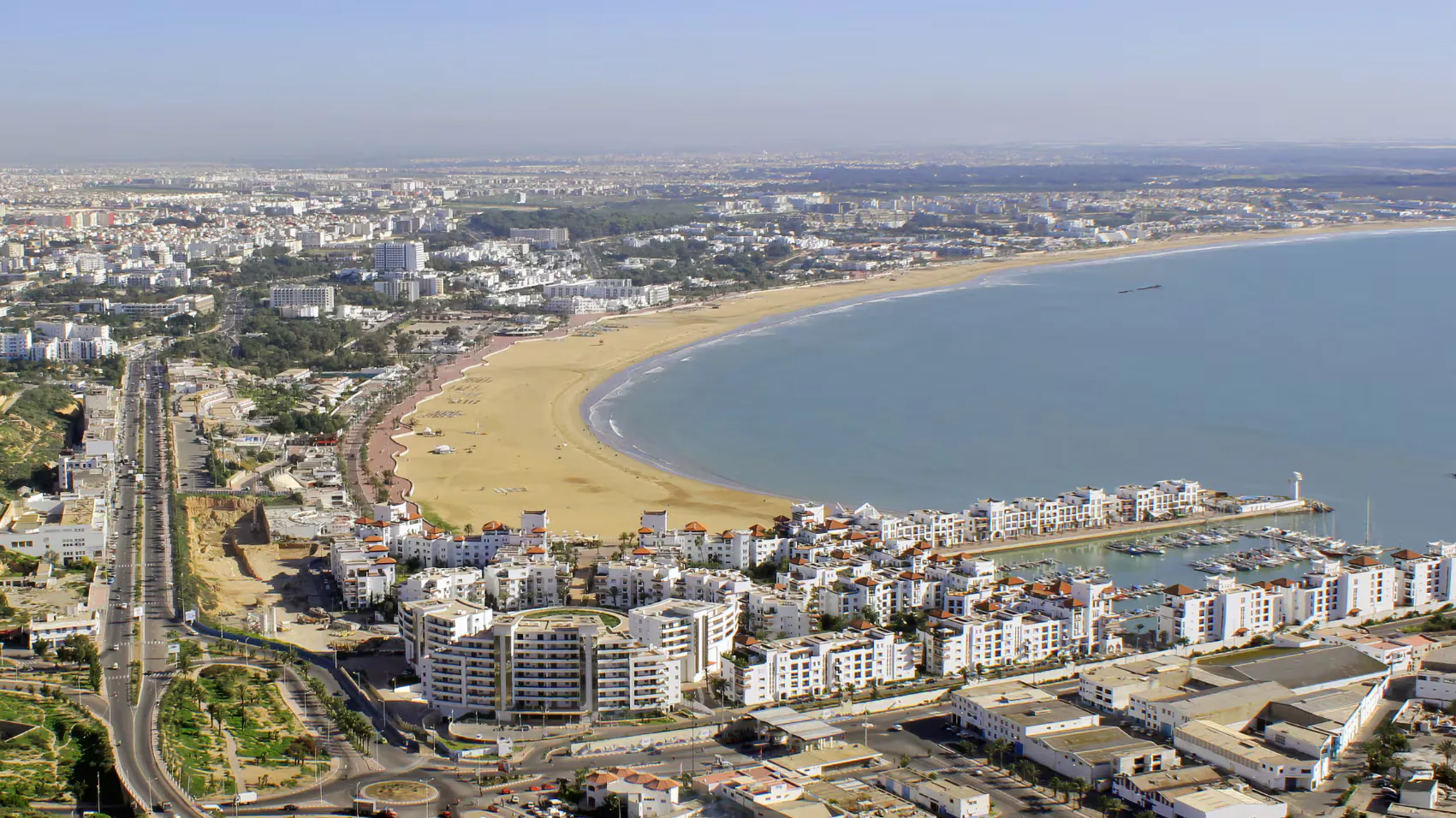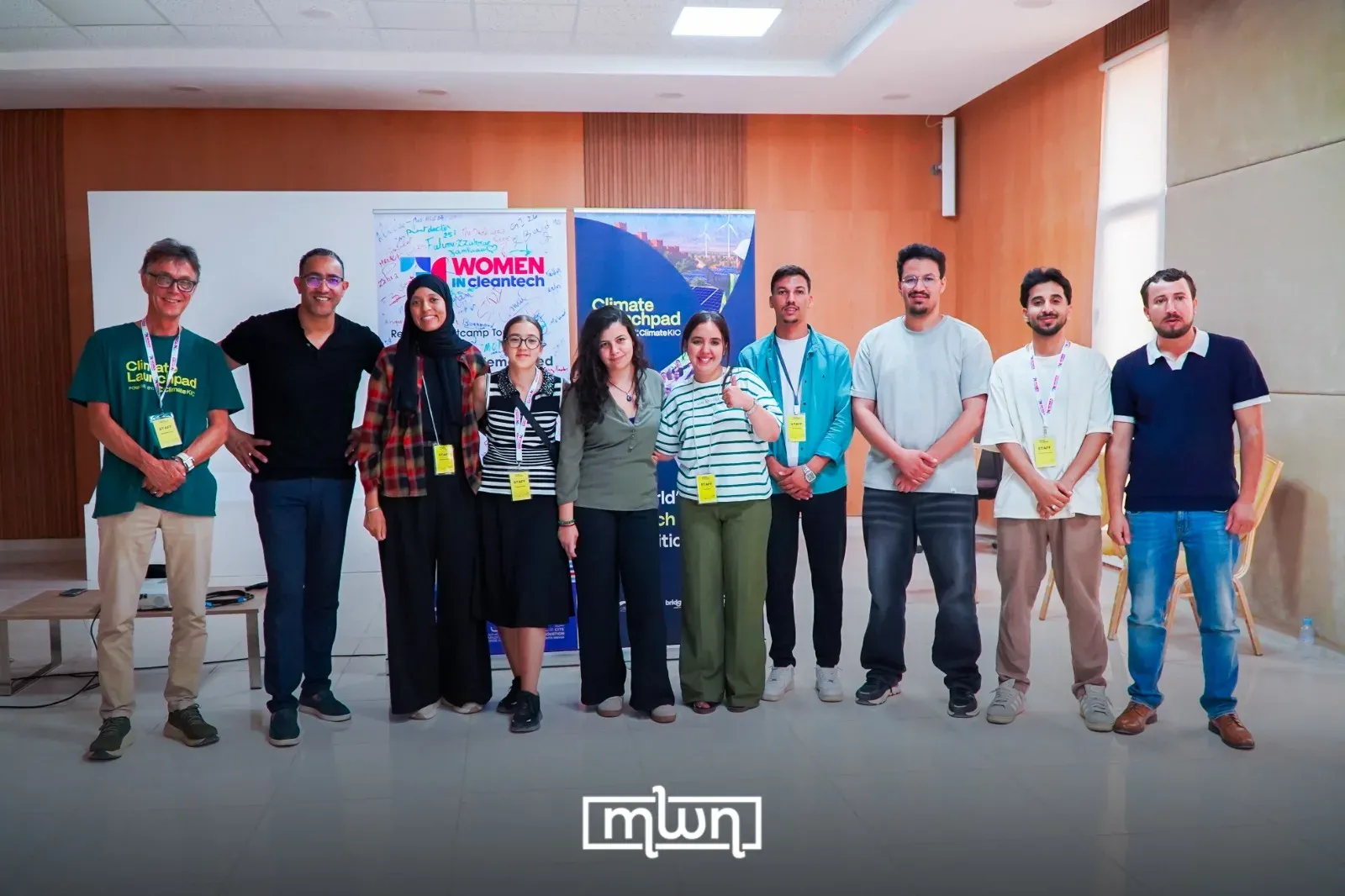

In recent years, the initiative Women in Cleantech has evolved from a series of regional bootcamps into a comprehensive effort aimed at linking Moroccan women with opportunities in green entrepreneurship, technology, mentorship, and investment. This ambitious program aligns with ClimateLaunchpad Morocco, integrating targeted support for women entrepreneurs with the training framework of the world’s largest competition for innovative green business ideas. The 2026 Regional Bootcamp Tour, which included two-day programs held in Meknes, Errachidia, and Agadir, focused on empowering founders outside the primary entrepreneurship centers of Morocco, where access to vital resources such as mentorship, investment, and specialized training is often limited. This tour represented just one facet of a much broader initiative designed to foster a sustainable cleantech ecosystem for women.
Bridging the Gap to Cleantech
Ahmed Larouz, the founder of Women in Cleantech and the head of ClimateLaunchpad Morocco, articulated that the initiative was developed to create a connection between women’s existing entrepreneurial experiences and the burgeoning cleantech market. Larouz emphasized the significant impact women have had in various sectors, particularly in rural cooperatives across Morocco, and he recognized a crucial gap in their access to cleantech. “This is not about introducing women to entrepreneurship; it is about making cleantech accessible to those who are already building businesses,” Larouz stated. The initiative was co-created in partnership with Bridgizz and the German Agency for International Cooperation (GIZ), aiming to tackle gender disparities in access to financing, professional networks, and recognition. It has received backing from GIZ Morocco’s WoMENA project, which focuses on enhancing women’s political and economic participation through training and collaboration.
Before launching the regional bootcamps, Women in Cleantech dedicated months to outreach efforts that included training, mentorship programs, and workshops aimed at preparing participants to engage with investors. The initiative has also celebrated International Women’s Day, collaborating with regional partners to expose female students, researchers, and innovators to cleantech opportunities. Organizers made a conscious effort to adapt activities to be inclusive of women with disabilities, encouraging participation from all sectors of society. This commitment to inclusivity is reflected in the initiative’s ability to mobilize over 500 female students across various regions of Morocco.
Achieving Gender Parity in Cleantech
The results of the 2026 ClimateLaunchpad Morocco call were significant, with 210 applicants from 159 startups, where women constituted precisely half of the pool, marking a historic achievement of gender parity in ClimateLaunchpad’s context. Larouz expressed that this was not a mere coincidence but a result of intentional design and outreach strategies. Morocco's performance was noteworthy, as it ranked fourth among 51 countries, making it the only North African nation in the top five of the competition. The outreach efforts of Women in Cleantech played a pivotal role in encouraging women to perceive their environmental projects as viable business ventures, thereby contributing to this success.
The growth of this initiative is attributed to a dedicated national team that collaborated with local coordinators and volunteers. Larouz provided strategic oversight, while team members like Lamyae Afqir and Reda Boujliliba managed regional activities and partnerships, respectively. Notably, the organization’s ability to bring the bootcamp directly to aspiring entrepreneurs rather than requiring them to travel significantly enhanced participation. The tangible results are evident in the innovative projects presented by participants, such as EcoStation, a system aimed at reducing plastic packaging in cosmetics, and Plant Doctor, an AI platform designed to assist farmers. These initiatives exemplify how Women in Cleantech is not only fostering entrepreneurial spirit among women but also making their contributions to the climate economy more visible. The long-term success of this movement will depend on the sustaining of these connections and opportunities for women in the cleantech sector.
As reported by moroccoworldnews.com.