
Transforming Energy Supply with the Sila Atlantik Project
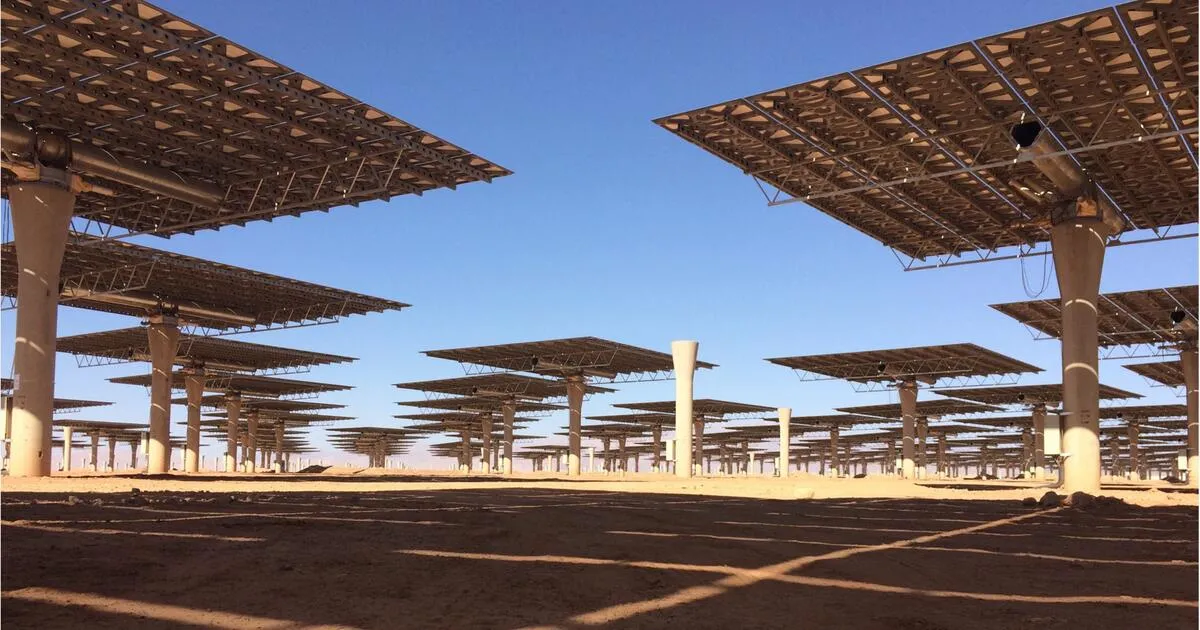
A groundbreaking initiative known as the Sila Atlantik project is set to revolutionize the energy landscape by connecting Morocco and Germany through an impressive nearly 5,000-kilometer-long undersea cable. This ambitious venture aims to transport renewable energy, primarily derived from Morocco's abundant solar resources, directly to German consumers. With the promise of delivering electricity at a remarkably low cost of less than ten cents per kilowatt-hour, the Sila Atlantik project is poised to make significant strides in the realm of sustainable energy. However, despite its potential to reshape energy supply chains and contribute to the European Union's green transition goals, the project faces numerous challenges that must be addressed before it can become a reality.
Challenges Ahead for Renewable Energy Integration
While the Sila Atlantik project holds immense promise for enhancing energy security and sustainability in Europe, it still encounters substantial hurdles before implementation can commence. These obstacles include regulatory approvals, securing financing for the multi-billion-euro endeavor, and addressing technical and logistical issues associated with constructing such an extensive underwater infrastructure. Moreover, the integration of this energy supply into the existing grid systems in both Morocco and Germany will require careful planning and coordination among various stakeholders. As discussions continue and preparations advance, the project symbolizes a significant step toward the realization of a greener future, reinforcing the importance of international collaboration in tackling climate change and fostering renewable energy development.
As reported by web.de.