
Mass Influx of Sudanese Migrants and Their Return to Morocco
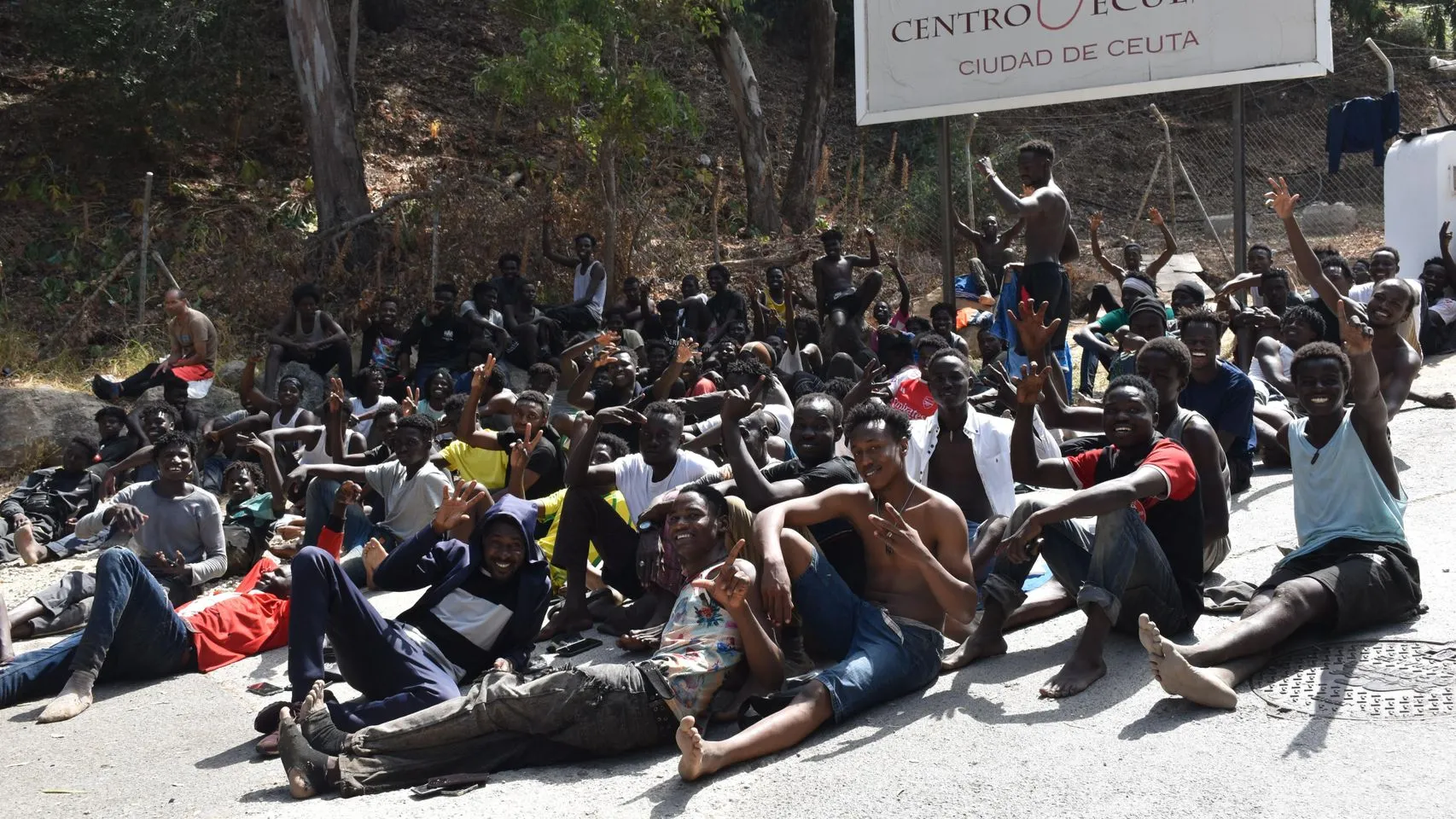
The Spanish government has initiated the return of 23 Sudanese migrants from Ceuta back to Morocco following a significant influx that occurred at the end of July. These migrants had not applied for asylum in Spain, as their intention was to travel onward to other countries within the European Union. In a troubling account, the migrants reported that they were forcibly removed from their beds during the early hours by police officers and taken to the border, where their belongings were confiscated.
The controversial returns have sparked significant outrage due to the perceived lack of information and guarantees provided to the affected individuals. The Spanish authorities have begun the process of returning sub-Saharan individuals who entered Spain during an unexpected surge on July 30 and 31, making the Sudanese migrants the first group to be repatriated. They were removed from their reception centers and taken to a police station for processing, where their return documents were issued. Their departure from Spain occurred through the Tarajal border crossing into Morocco.
While the individuals had anticipated continuing their journey within Europe, they found themselves misled by police actions. According to their statements to local media, they were unaware that they were being taken to the border. The exact location from which they were removed has not been disclosed, although it is suspected to be either the Loma Margarita settlement or the CETI, both of which accommodate migrants from their nationality group. Once at the border, their belongings were taken, and they were transported to a location approximately 17 kilometers from Casablanca.
Legal Implications and Reactions
The forced returns to Morocco raise significant legal and ethical questions, especially since the migrants are not being sent back to their countries of origin but rather to a third country. Statistics indicate that around 90% of asylum requests from Sudanese nationals are typically granted due to ongoing conflict in their home country. In response to these returns, the migrants' lawyers are preparing to file appeals against the actions taken by the authorities, arguing that the individuals were deceived about their situation and did not receive adequate information during the processing procedures.
The Ministry of the Interior, headed by Fernando Grande-Marlaska, claims that the expulsions were conducted in accordance with legal standards, including the provision of interpreters to ensure the rights of vulnerable individuals are respected. However, the fact that these migrants did not apply for asylum remains a contentious point. As of now, there has been no official communication from the Ministry regarding these returns, and there has been a notable lack of acceptance of non-Moroccan individuals by the Moroccan authorities.
This situation marks the first instances of Sudanese returns following the recent migration surge, but it is anticipated that more such actions will occur as the government of Pedro Sánchez is reportedly fast-tracking a decree to streamline the process for repatriating migrants from Ceuta back to Morocco, aiming to reduce the administrative and judicial delays typically associated with asylum applications.
As reported by elespanol.com.