
The Ceuta Crisis: A Surge of Migrants and Conspiracy Theories
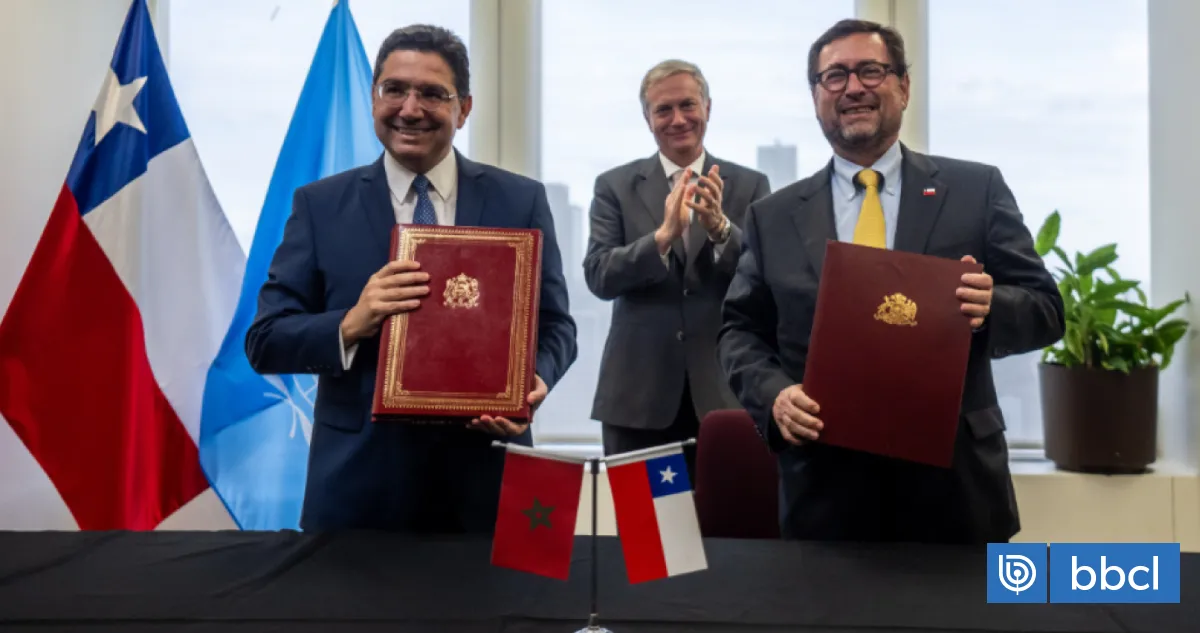
In recent weeks, a significant influx of migrants from North Africa has overwhelmed the European Union's border at Ceuta, a Spanish exclave. This situation has escalated to a state of emergency, with reports of dozens of casualties amid the chaos. However, the sudden surge has prompted various conspiracy theories circulating online, with some theorists positing that a sinister collaboration among Moroccan, American, and Israeli interests is at play. The alleged aim of this supposed conspiracy is to destabilize Spain and divide Europe.
Despite the lack of evidence or even circumstantial indicators backing these claims, proponents of such theories—ranging from far-right commentators like Tucker Carlson to left-wing figures such as Javier Bardem—have amplified the narrative. A satirical AI-generated cartoon depicting migrants pouring out of the mouth of Israeli Prime Minister Benjamin Netanyahu has gone viral, garnering millions of views across social media platforms. Such narratives perpetuate an age-old trope suggesting that Jewish individuals orchestrate global events, a notion that has unfortunately found a prominent supporter in the realm of publicly funded media.
Media Responses and Accountability
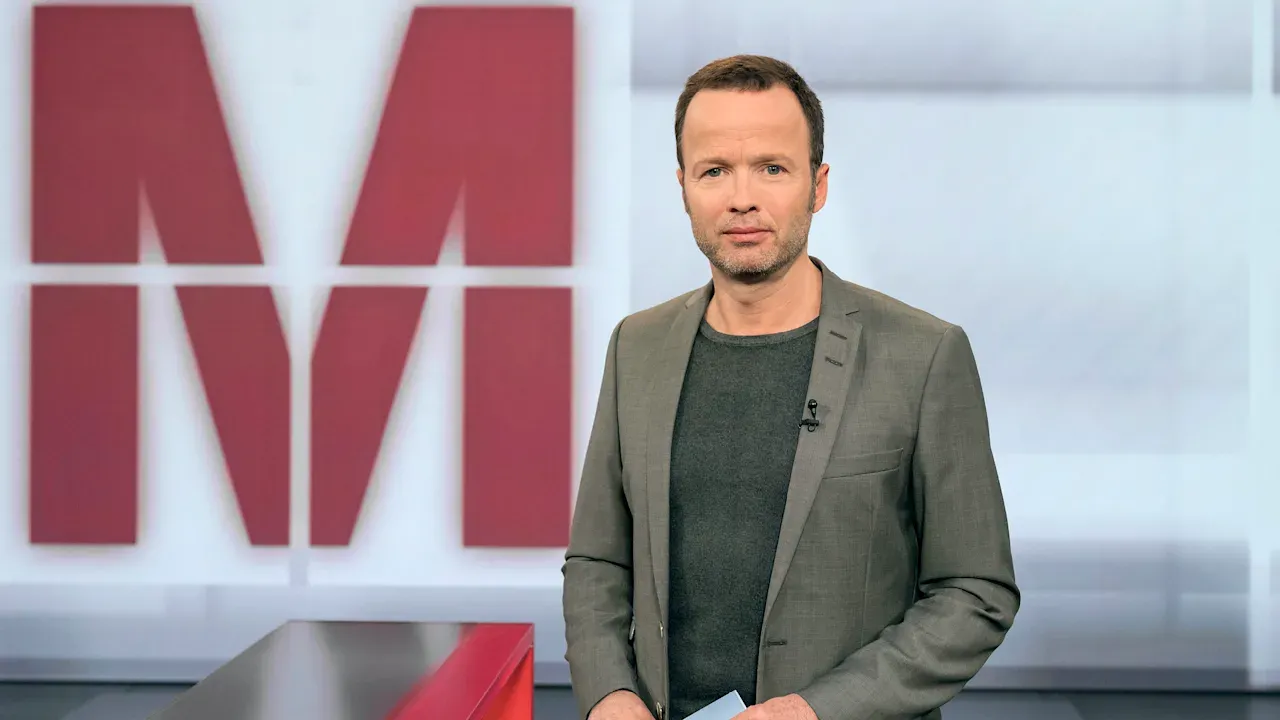
Georg Restle, a former host of the WDR program "Monitor" and now an ARD Africa correspondent, recently shared a quote from an article published in the US magazine "The Nation" on social media. The quote described the Ceuta crisis as "neither a genuine humanitarian crisis nor part of an anti-colonial struggle, but rather a component of the increasingly powerful US-Israeli-Moroccan alliance... aimed at weakening a progressive European government, fracturing Europe, and undermining international law." This statement has sparked outrage from various political figures, including Serap Güler of the CDU, who characterized Restle's comments as "antisemitism and anti-Americanism at its finest." Güler criticized the lack of shame exhibited by a journalist in spreading conspiracy theories, labeling it as unacceptable behavior for someone in a public broadcasting position.
In response to these controversial remarks, the WDR Broadcasting Council has intervened. Council member Felix Schotland expressed his discontent in a letter to WDR program director Andrea Schafarczyk, emphasizing that public broadcasters hold a unique responsibility to ensure factual, careful, and balanced communication. He raised concerns that statements of such gravity could severely undermine trust in the journalistic independence and credibility of the WDR.
Restle later attempted to clarify his position, portraying himself as a victim of misinterpretation. He claimed that suggesting antisemitism from a quote of a geopolitical analysis by an American academic was both absurd and expected. However, after several hours, he revised his stance, stating that he did not endorse the quote nor would he have phrased it in such a manner. He acknowledged that it was a mistake to share the quote without additional context, recognizing that it would inevitably be attributed to him. Restle also firmly denied any allegations of promoting antisemitism.
As reported by bild.de.