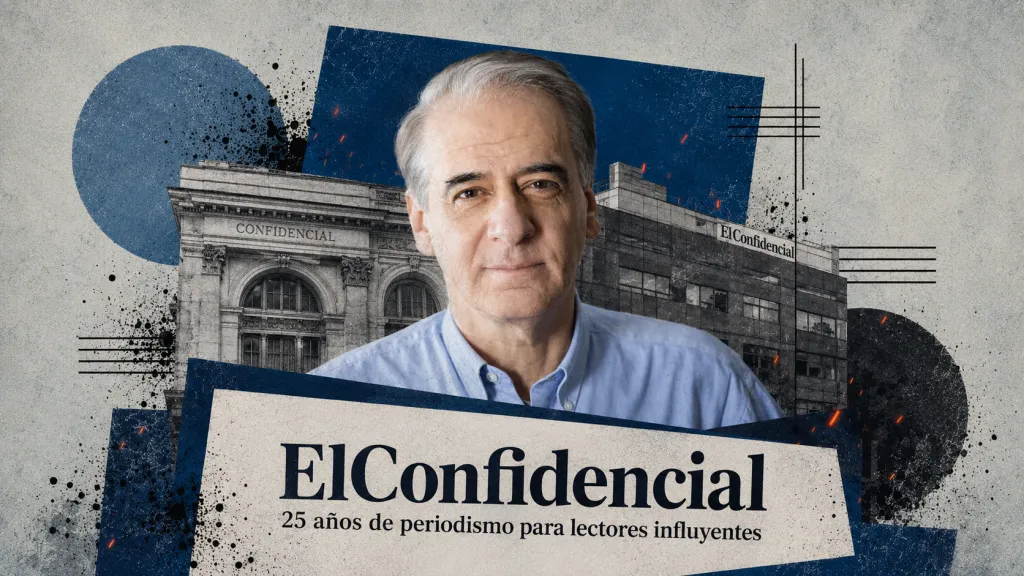

Ignacio Cembrero Faces Backlash Over Political Exploitation of Migrant Deaths
On Saturday, August 15, a wave of posts circulating on social media platforms X and Facebook targeted Spanish journalist Ignacio Cembrero. Verified Moroccan accounts accused him of politically exploiting the deaths of over 140 candidates for irregular migration off the coasts of Ceuta and Fnideq, viewing his actions as a continuation of a long-standing vendetta against the kingdom of Morocco. Cembrero expressed his condolences, stating that many of the victims were Moroccan and called on Spaniards and Moroccans of goodwill to extend their sympathies to the grieving families. He criticized Moroccan authorities, including the royal palace, for failing to make a gesture of condolence two weeks after this unprecedented tragedy in the Mediterranean waters.
Criticism of Selective Outrage and Responsibility
Critics consistently pointed out the selective nature of the outrage surrounding this incident. They highlighted that images shared during the crisis documented violent interventions by Spanish security forces, suggesting that these events deserved at least the same level of professional scrutiny that Cembrero directed at Morocco. Questions arose regarding the absence of the journalist’s humanitarian rhetoric in the face of this documented violence. Some mocked the perceived inconsistency in compassion, which appeared to be exercised selectively—present in narratives that aligned with Cembrero's perspective but absent when the issues posed challenges to Spain. The conclusion drawn was that the deceased did not require further noise but rather the truth.
Contributions written in French raised methodological objections, arguing against the guilt attributed to an entire nation and the transformation of mourning into a political interrogation. One writer pointed out that Moroccans did not need a Spanish journalist to instruct them on how to mourn their victims. Another message asserted that grief should never be wielded as a propaganda tool, criticizing the editorialist for what was termed a "sterile obsession against Morocco," paired with a "complicit and selective silence," implying that his humanitarian appeals were merely superficial gestures.
Some contributions shifted the debate toward accountability. Before the tragedy, Spanish justice had prohibited the immediate expulsion of individuals who had arrived by swimming. This ruling was purportedly misrepresented on social media, leading to misleading assertions that anyone reaching Ceuta would not be turned away. Calls were made for a thorough investigation that would encompass all facts and responsibilities from both sides of the border, rather than starting from a politically predetermined conclusion with a single scapegoat. Respecting the victims, they argued, meant not using their images and numbers as political ammunition against Morocco but rather demanding the full truth. The tragedy was deemed too significant to be reduced to a message with the sole title: "Morocco."
As reported by barlamane.com.