
The Future of Aïn Sebaâ Zoo: A Clash of Heritage and Urban Development
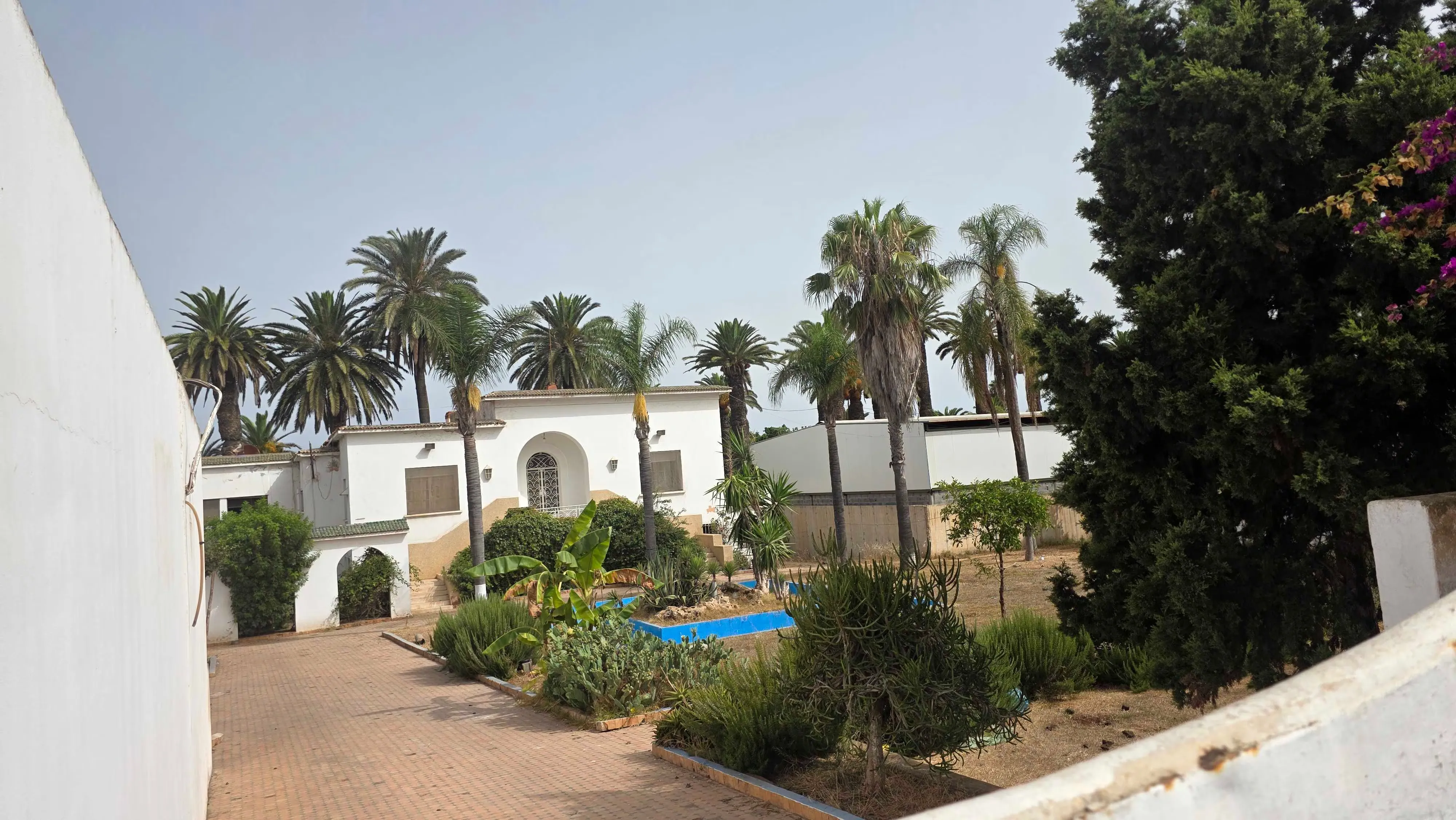
The villa of the late Abderrazak Afilal, a prominent figure in Morocco's trade union movement and founder of the General Union of Moroccan Workers (UGTM), has become the focal point of a heated debate regarding the expansion of the Aïn Sebaâ Zoo in Casablanca. Spanning approximately 1,500 square meters, this historic property, located adjacent to the zoo and facing the Rabat road, symbolizes a complex intersection of political memory, cultural heritage, and urban development. The discussions surrounding this property raise critical questions about the balance between preserving historical landmarks and meeting the needs of urban growth.
Since the zoo's reopening in early 2026 after a fourteen-year hiatus and extensive renovations, there has been a noticeable revitalization of the site. Now managed by Dream Village, the zoo is transitioning from a period of chaotic administration that necessitated its closure. Amid this rejuvenation, the proposal for an extension of the zoo has gained traction. At a recent meeting of the park's oversight committee, attended by the governor of Aïn Sebaâ-Hay Mohammadi, Mohamed Taouss, and Casablanca's mayor, Nabila Rmili, a representative from Dream Village suggested a land exchange involving the Afilal villa. This proposal, characterized as a consensual agreement rather than an expropriation, aims to integrate the villa into the zoo's perimeter by offering the current owner an alternative plot of land.
However, this proposition has sparked significant dissent among local officials who emphasize the villa's historical and symbolic importance. Notable opponents include Noufissa Ramhane, the vice-mayor of Casablanca, and Hassan Benomar, a local parliamentarian, both of whom have firmly rejected the idea. Mayor Nabila Rmili has also voiced her disagreement, aligning herself with advocates for preserving the villa, which many regard as a reminder of Aïn Sebaâ's 'glorious years' during Afilal's era.
Adding complexity to this situation is the property’s ownership dynamics. Reports indicate that the villa was registered in the name of Afilal's second wife towards the end of his life, a decision influenced by his son, Rachid Afilal, who is also a local parliamentarian. Furthermore, recent urban planning classifications have designated the villa's land as a non-buildable green zone, effectively ruling out any potential for profitable real estate development previously considered.
The villa also previously housed a pharmacy owned by Fatima-Zahra Afilal, Rachid's sister, who has been vocal in her opposition to the current municipal majority. This history of political engagement adds another layer to the ongoing discussions about the villa's future, as local sentiments continue to clash over the balance of heritage preservation and urban development.
As reported by fr.le360.ma.