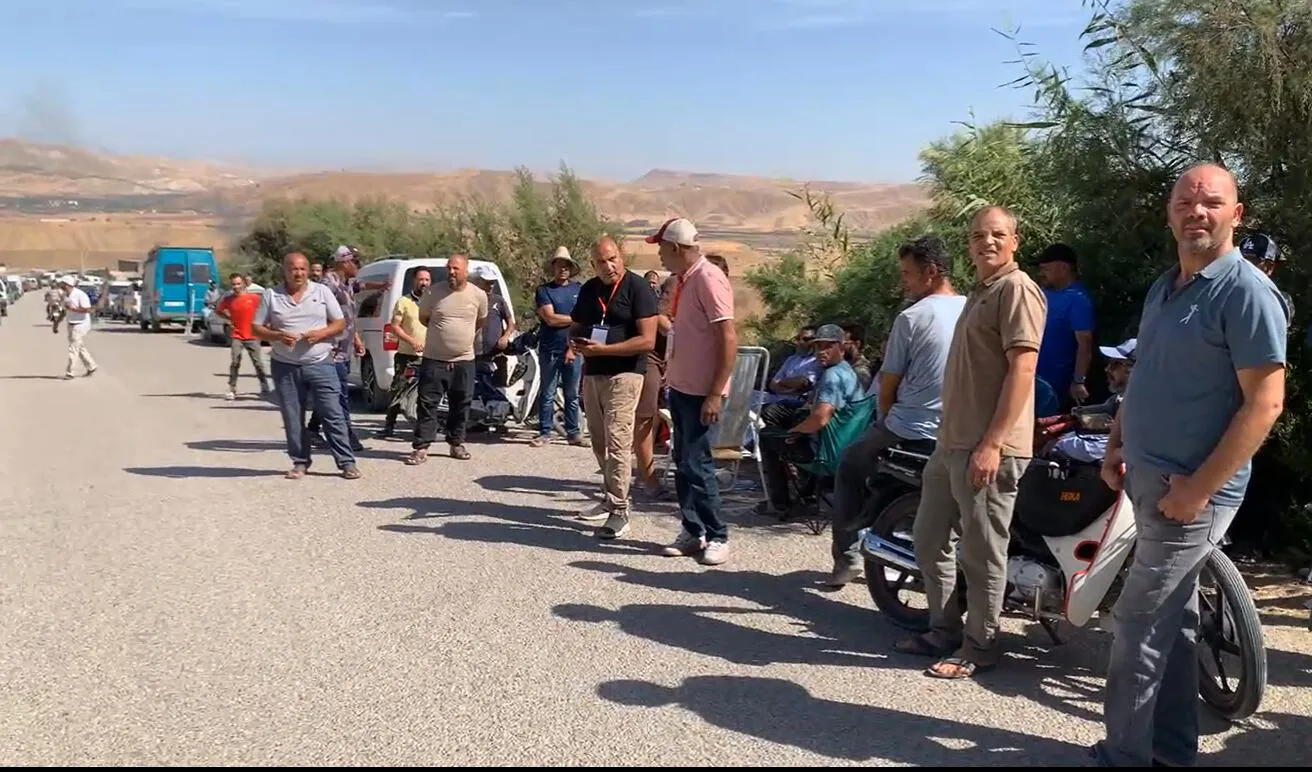

Protests Erupt Among Fez Zellij Artisans Over Raw Material Shortages
On the morning of September 26, 2026, dozens of traditional craftsmen specializing in zellij, a decorative tilework unique to Morocco, gathered at the Benjlig artisan district in Fez. They staged a protest accompanied by an open sit-in, demanding urgent solutions to a pressing crisis concerning the availability of raw materials essential for their craft. The artisans expressed concerns over the increasing mechanization of their industry, which they believe threatens the essence of traditional craftsmanship.
The protestors raised several key demands, primarily focusing on the need for professionals in the zellij sector to gain access to a new quarry for clay extraction. Clay is a fundamental component in zellij production, but many of the quarries previously relied upon have ceased operations. This disruption has significantly impacted several workshops, leading to substantial financial losses for the craftsmen.
One artisan articulated that the raw material crisis is one of the most significant challenges currently facing the sector. He noted a decline in the availability of high-quality clay and cited the increasing use of machinery in producing certain types of zellij, which has reduced the presence of handmade tiles and negatively affected the activities of traditional workshops.
The artisans are awaiting the finalization of licensing procedures for a new quarry acquired about a year ago. However, these administrative processes have not yet been completed, exacerbating the difficulties craftsmen face in securing the necessary raw materials to continue their work. The protestors are calling on relevant authorities to intervene swiftly to resolve this issue, asserting that the continuation of the current situation jeopardizes the livelihoods of numerous families dependent on this traditional craft, which is a vital aspect of Fez's artisanal heritage.
This demonstration occurs amid ongoing discussions regarding the future of zellij craftsmanship, highlighting the artisans’ demand to preserve its manual nature while also addressing the need for basic raw materials. The situation underscores the delicate balance between maintaining traditional practices and adapting to the evolving landscape of Morocco's artisanal sector.
As reported by ar.le360.ma.