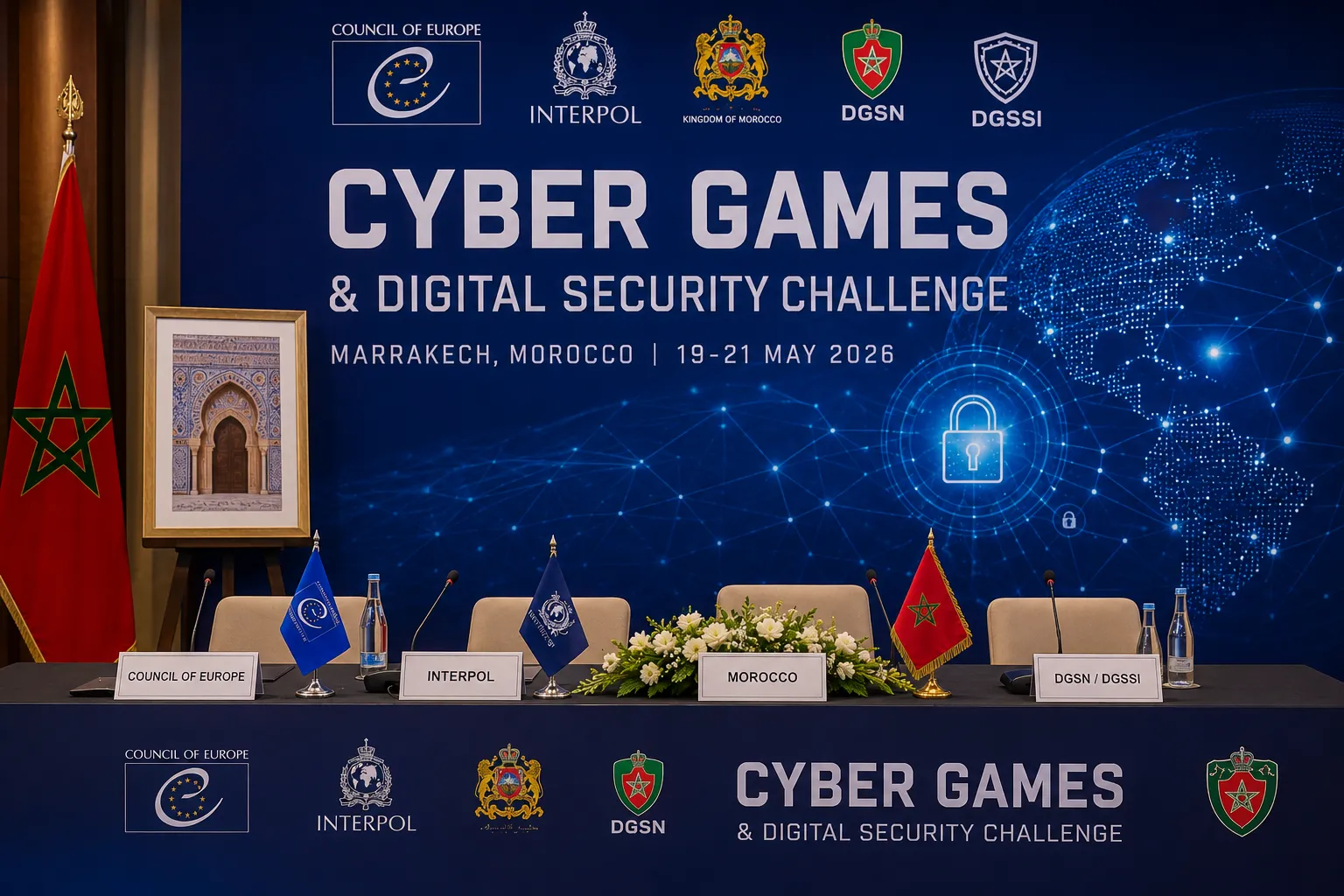

The upcoming Cyber Games 2026 marks a historic milestone as the first event of its kind to be hosted on the African continent, reflecting the unwavering commitment of African nations in the global battle against cybercrime. This initiative underscores the increasing significance of international cooperation in tackling cyber threats that transcend regional boundaries. The 2026 edition emerges as the second installment in an expanding series of competitions designed to hone the skills of professionals confronting the ever-evolving landscape of cybercrime, which has become increasingly intricate and sophisticated.
Building on the success of the inaugural event held in Malaysia in 2025, Cyber Games 2026 aims to unite law enforcement investigators, digital forensics experts, and cybersecurity professionals in a competitive format focused on critical tasks such as investigating cyberattacks and intricate ransomware incidents, as well as combating criminal networks involved in cryptocurrency laundering. This event has drawn significant interest, with nearly 400 participants undergoing a rigorous online pre-selection process, highlighting its growing global relevance not only in Africa but also in America, Asia, Europe, and the Middle East.
Operational Preparedness Testing
Over the course of three days, participants will collaborate in teams to tackle realistic investigation scenarios, enhancing their abilities through hands-on problem-solving exercises and team challenges that span multiple disciplines, with a strong emphasis on attribution and cooperation. The Cyber Games and Digital Security Challenge are not merely competitions among nations; they present a valuable opportunity for practicing cooperation, collaborative work, and mutual learning among professionals in the field.
A central theme of the 2026 edition is the practical application of cooperation tools outlined in the Budapest Convention on Cybercrime and its Second Additional Protocol, as emphasized by Virgil SPIRIDON, Head of the Cybercrime Program Office at the Council of Europe. He stated, "The Cyber Games and the Digital Security Challenge, organized in collaboration with INTERPOL, respond to a cybercrime landscape in which criminals increasingly exploit encrypted communications, virtual currencies, and 'crime-as-a-service' models to execute ransomware attacks and hybrid operations against critical infrastructure. Practical exercises leveraging the cooperation tools of the Budapest Convention and its second additional protocol prepare authorities to coordinate their actions across borders and respond in time-sensitive situations."
Mohamed DKHISSI, Director of Judicial Police at the General Directorate of National Security (DGSN) and Vice President of INTERPOL for Africa, reiterated Morocco's commitment as an effective and recognized partner in international efforts to combat transnational crime. He stated, "The Kingdom of Morocco has implemented an integrated strategy aimed at enhancing information system security, preserving digital sovereignty, and combating various forms of crime related to new technologies. This approach is based on strengthening the legal and institutional framework, modernizing the technical capacities of competent services, and fostering close cooperation with regional and international partners. It also aligns with the commitments made under the Budapest Convention on Cybercrime and its additional protocols, aimed at preventing and penalizing offenses committed in cyberspace."
As reported by fnh.ma.