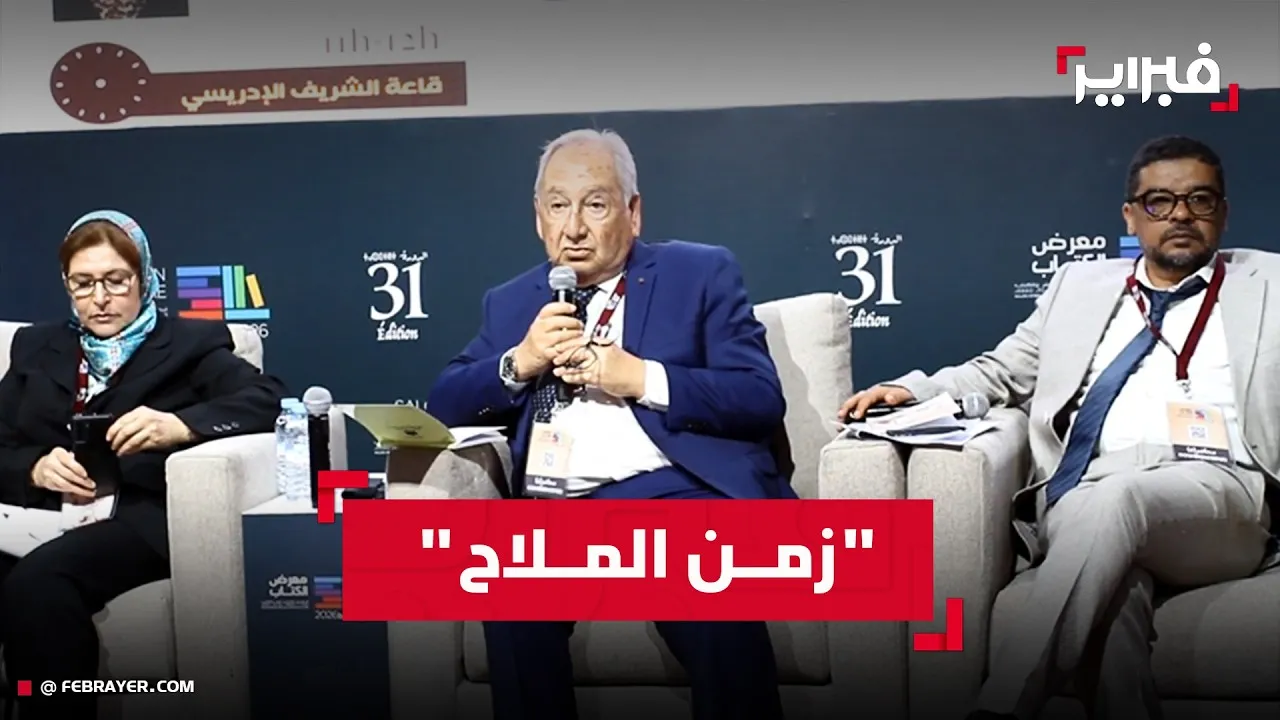

A Deep Dive into the Rich History of Moroccan Jews
In an enlightening discourse, David Touilidano offers a profound exploration of the Jewish community in Morocco, tracing its roots that extend over two millennia. With eloquence and an authentic Moroccan dialect, he articulates that Jews in Morocco are not merely a minority but an integral part of the national fabric, asserting that "Moroccan Jews are more than 100% Moroccan." This sentiment echoes the historical significance of their presence across the country, which has spanned various regions, from the bustling cities of Fez, Marrakech, and Meknes to the coastal ports of Tangier, Tetouan, Essaouira, and beyond, reaching the southern areas like Tafilalet.
In his detailed narrative, Touilidano provides striking demographic insights, revealing that in the 19th century, Jews constituted a majority in certain urban centers. In places like Dbebdou, there were 10,000 Jews compared to 5,000 Muslims, and Essaouira once boasted 17,000 Jews against 10,000 Muslims. These figures highlight the deep-rooted integration of Jews into Moroccan society.
The 'Mellah' Concept: More Than Just a Ghetto
Addressing the notion of the "Mellah," a term often misunderstood as a place of isolation, Touilidano elucidates that it was actually a space for self-governance and religious practices. The close-knit living arrangements facilitated access to synagogues, ensured availability of kosher food, and enabled the formation of a "minyan" (a quorum of ten men required for certain religious obligations). He meticulously describes the administrative structure of the Mellah, which included a "Sheikh of the Jews" overseeing order, a representative for the community before authorities, and a council of elders known as the "Mamad," alongside the religious leaders (rabbis) tasked with spiritual matters.
With vivid visual memories, he recalls daily life within the Mellah, such as the "Barrah," who would traverse the neighborhood at dawn to awaken residents for prayers, and the tradition of closing shops on Friday afternoons in preparation for the Sabbath. Celebratory events like the "Bar Mitzvah"—a coming-of-age ceremony for boys—were marked with joyful processions and traditional music, highlighting the rich cultural tapestry of the community. He also reminisces about the joyful practice of "pressing the must" during grape harvests, a communal activity filled with celebration and cooperation.
In conclusion, Touilidano emphasizes a unique aspect of Moroccan identity: the application of Hebrew law in personal matters such as marriage, divorce, and inheritance for Jewish citizens. This legal exception reflects the kingdom's respect for the diversity of its constituents. He wraps up his discourse by reaffirming the sacred bond between Moroccan Jews and the Alaouite monarchy, emphasizing the lasting affection that has been passed down through generations, from the late Mohammed V to Hassan II and now to Mohammed VI.
As reported by youtube.com.