
Understanding the Misinformation Surrounding Moroccan Fans
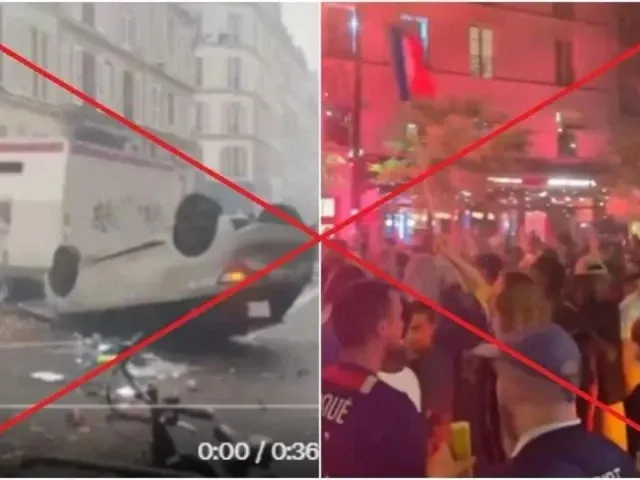
In the wake of Morocco's quarter-final defeat to France in the FIFA World Cup on July 10, 2026, a series of viral videos have circulated across social media platforms, particularly X and Facebook, depicting alleged riots by Moroccan fans in Paris. However, upon closer examination, these clips have been determined to be outdated and unrelated to the recent events surrounding the match. The false narrative was fueled by multiple users, many of whom appeared to be affiliated with Indian propaganda accounts, who shared these visuals, suggesting that they were indicative of Moroccan fans expressing their discontent following the loss. Yet, these claims have been debunked through thorough fact-checking processes that reveal the videos were actually sourced from entirely different incidents.
The Moroccan national team made history by reaching the quarter-finals in consecutive World Cups, marking a significant achievement for Africa. However, the narrative presented by certain social media users mischaracterizes the aftermath of their defeat. A particular post from an X user, who seems to be a football enthusiast, garnered significant attention with a collage of videos claiming to show rioting in Paris. This post accumulated nearly a million views, illustrating how quickly misinformation can spread in the digital age.
Unpacking the Origin of the Viral Videos
A comprehensive investigation into the videos revealed that they were not related to the recent match at all. For instance, one clip, which surfaced on May 31, 2026, displayed violent scenes following a Paris Saint-Germain victory in the Champions League, not a World Cup match involving Morocco. Similarly, another video, initially shared in December 2022, depicted chaos in Paris unrelated to any football event but rather related to protests following a tragic incident at a Kurdish cultural center. These findings highlight the importance of verifying information before sharing it, especially in times of heightened emotions surrounding major sporting events.
Moreover, reputable media outlets have reported on the public's reactions and celebrations in Paris after Morocco's match, but none of them featured the viral clips in question. The misinformation spread by various accounts not only misrepresents the Moroccan fanbase but also contributes to a broader pattern of sensationalism and the propagation of false narratives. This serves as a crucial reminder of the responsibility that comes with sharing information on social media platforms, particularly in contexts that can influence public perception and societal relations.
As reported by tribune.com.pk.