
Alarming Trends in Women's Labor Force Participation in Morocco
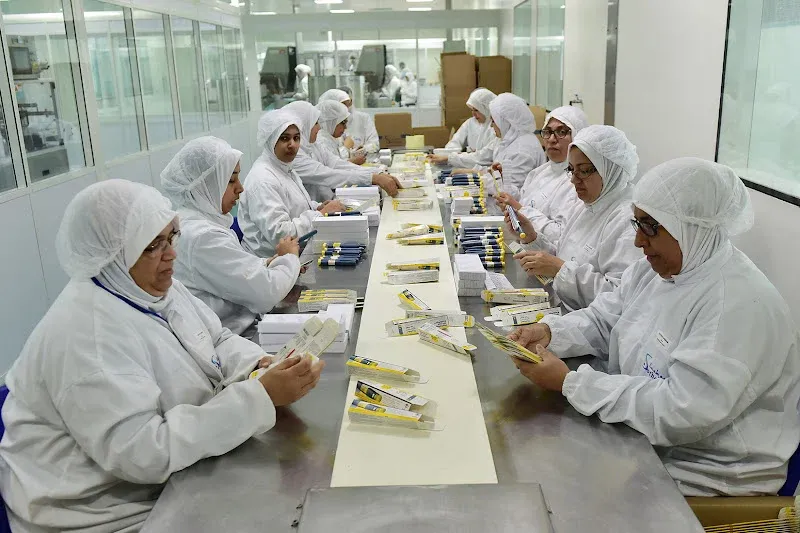
The latest report by the World Bank has highlighted a concerning trend in the employment landscape for women in Morocco, revealing that only 19% of women participate in the labor force. This statistic is emblematic of one of the most significant obstacles hindering the country's economic growth. Analyzing data from the past two decades, the report indicates a stark decline in women's labor force participation, which plummeted from 30.4% in 1999 to a mere 19% in 2025. This decline is all the more striking given the substantial advancements made in women's education and health over the same period, suggesting a troubling disconnect between educational achievements and actual employment opportunities.
The findings are part of an annex to the World Bank Group's Country Partnership Framework for Morocco, which outlines a strategic plan for the fiscal years 2026 to 2035. This framework emphasizes women's economic inclusion as a critical focus for Morocco's sustained development. The report underscores that the labor market is failing to meet the needs of women on both the supply and demand sides. There is a notable shortage of quality job opportunities, particularly in high-productivity sectors where educated women could excel.
Barriers to Women's Employment and Strategic Solutions
Numerous obstacles continue to impede women's entry into the workforce. These include limited access to childcare, unsafe and inadequate public transportation, disproportionate unpaid care responsibilities, and restricted financial access. The World Bank points to entrenched social norms that significantly influence household decisions and labor market behaviors, making it increasingly difficult for women to pursue, accept, or maintain paid employment. Consequently, many women who previously engaged in unpaid or informal agricultural work have now exited the labor market entirely.
Additionally, the report highlights alarming unemployment rates among educated women, indicating that investments in education are not effectively translating into job opportunities. The World Bank has repeatedly warned that rather than joining the workforce, many Moroccan women are leaving it, which is particularly concerning in light of previous reports detailing a nearly 11 percentage point drop in female labor force participation over two decades. This decline has contributed to Morocco's status as having one of the lowest rates of women's participation in the global labor market.
Furthermore, the report reveals that married women are significantly less likely to participate in the labor force compared to their unmarried counterparts, with a staggering 35 percentage point gap exacerbated by the presence of preschool-age children. In response to these challenges, the World Bank and Morocco's new partnership framework aim to address these barriers through three main priorities: the creation of more jobs, enhancement of transport and infrastructure, and the expansion of childcare and related services to support women's continued participation in the workforce.
As reported by en.hespress.com.