
The Allegations of Moroccan Interference in Spanish Politics
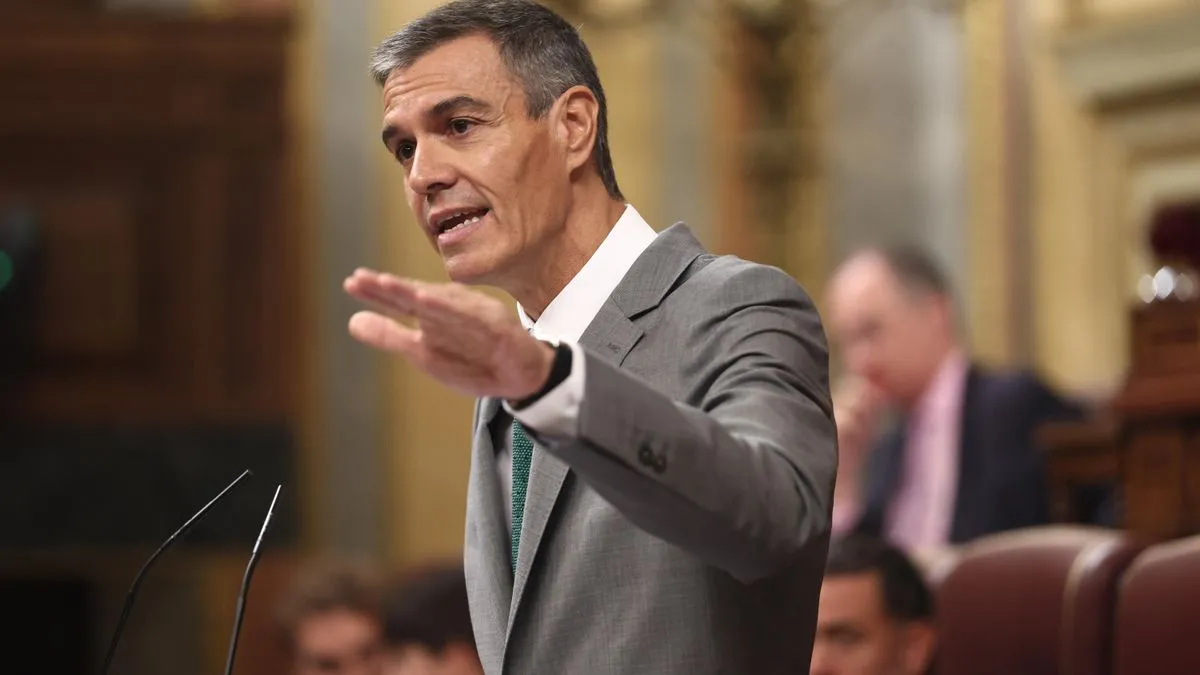
The intricate web of political intrigue surrounding the Spanish government has recently been exacerbated by allegations of Moroccan interference, particularly in relation to the controversial Pegasus spyware program. In a revealing turn of events, the Spanish government itself disclosed in 2022 that President Pedro Sánchez, along with three of his ministers, had been targeted by Pegasus during a significant diplomatic crisis with Morocco in 2021. This revelation has reignited scrutiny and accusations aimed at Rabat, especially following a substantial influx of migrants in July. The opposition, alongside some coalition partners such as Podemos and the Basque Nationalist Party (PNV), has directed sharp criticisms toward the government, questioning the implications of this espionage on national security and diplomatic integrity.
Government's Stance and Public Response
In response to the burgeoning controversy, President Sánchez has vehemently denied the existence of any Moroccan meddling in Spanish affairs, dismissing such claims as fanciful narratives fit for a Netflix drama rather than grounded in reality. This dismissal highlights the tension between the government’s official stance and the persistent public perception of vulnerability to foreign influence. As the situation unfolds, it remains to be seen how these allegations will impact Spain's diplomatic relations with Morocco and the broader geopolitical landscape in the region. The scrutiny from both political allies and adversaries indicates a growing concern over the integrity of governmental operations and the safeguarding of national interests against external pressures. The ramifications of this saga are likely to resonate for some time, making it a pivotal moment in contemporary Spanish politics.
As reported by infolibre.es.