
Understanding the Shift in Family Structures in Morocco
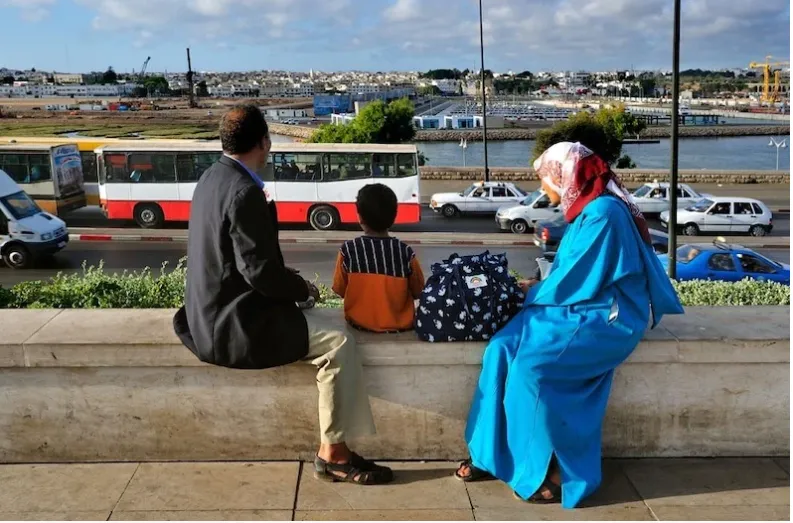
In April 2026, a report released by the High Commission for Planning highlighted significant changes in the demographic, social, and value structures of Moroccan families. This transformation is occurring against a backdrop of rapid economic and digital developments that are reshaping living patterns. The findings indicate a clear shift toward the nuclear family model, which constituted 73% of all households in 2025, a notable increase from 60.8% in 1995. Concurrently, the average household size has decreased to 3.9 individuals in 2024, down from 4.6 in 2014, signaling a decline in larger family units in favor of smaller, more independent households. The rise of 'empty nest' situations has also become more prominent, reaching 9.4%, primarily among elderly individuals whose children have moved out.
The report further documents a marked decline in traditional residential solidarity patterns. Extended families decreased from 35.2% in 1995 to just 19.8% in 2025. In contrast, households led by women have risen to 19.2%, reflecting rapid social changes, particularly among single-parent families, where women lead 90.7% of these households and often face economic vulnerability and increasing social burdens.
Demographic Indicators and Social Dynamics
The research underscores a decrease in marriage rates, with 51.7% of singles expressing no desire to marry, while the average age of first marriage has risen to 33.3 years for men and 26.3 years for women. The fertility rate stands at 1.98 children per woman, below the generational replacement level of 2.1. Additionally, the divorce rate is recorded at 3.6 per thousand annually, with a peak in separations occurring within the first two years of marriage. Furthermore, individuals report having a broad network of relatives, potentially up to 54, although the active circle is limited to around 17 individuals. There has also been a geographical distancing between families, yet financial and professional solidarity persists, with 42.5% of families engaging in mutual exchanges. Notably, families remain the primary support system for the unemployed, accounting for 58.7% of assistance provided. Digital tools have played a role in mitigating the effects of physical distancing, with 56.3% of respondents believing that technology has strengthened family ties.
Moreover, the study reveals that seniors comprise 13.8% of the population in 2024, with 59.3% living with one of their children, indicating the continued centrality of family in elder care, despite societal changes. Importantly, 62.2% of individuals hold a social status that differs from their parents', highlighting a trend of rapid social mobility characterized by upward movement.
In conclusion, the report posits that Moroccan families navigate a fragile balance between upholding their traditional roles as bastions of values and emotional support while adapting to profound structural changes affecting marriage, fertility, and living arrangements. This delicate equilibrium presents increasing challenges for public policies aimed at addressing these deep-seated transformations.
As reported by lakome2.com.