
The Western Sahara conflict, recognized as one of the most enduring and intricate disputes in Africa, has recently gained substantial international backing, notably from Denmark. This Scandinavian nation has openly expressed its support for Morocco's autonomy proposal, advocating it as a credible foundation for achieving a consensual resolution among the conflicting parties. Denmark's endorsement not only amplifies global support for Morocco's initiative but also enhances the potential for a peaceful settlement, underpinned by the backing of the United Nations Security Council.
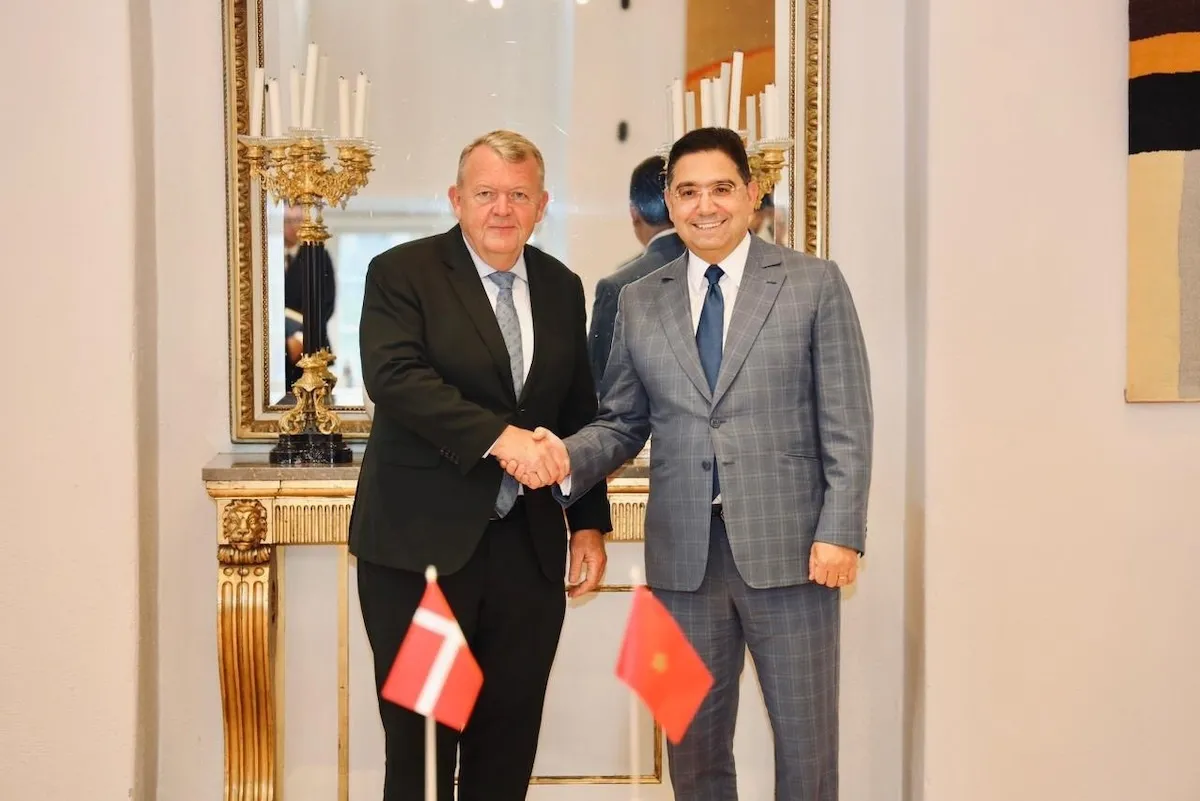
Denmark's involvement is particularly pivotal as it currently serves as a non-permanent member of the UN Security Council, which positions it favorably to influence discussions regarding the Sahara. During a recent official visit by Moroccan Foreign Minister Nasser Bourita, Danish Foreign Minister Lars Løkke Rasmussen articulated Denmark's commitment to facilitating a comprehensive dialogue between Morocco and the Polisario Front. This dialogue aims to forge a lasting agreement based on the regional autonomy concept proposed by Morocco.
Denmark's Support for Morocco's Autonomy Proposal
Denmark has lauded Morocco's autonomy proposal as a serious and credible framework for resolving the ongoing Western Sahara conflict. This assessment was underscored by Foreign Minister Lars Løkke Rasmussen, who emphasized the proposal's significance within the context of the United Nations' efforts. The Moroccan initiative suggests that the Sahara could operate as an autonomous region within Morocco, endowed with substantial administrative decentralization and a variety of political, social, and economic powers. Denmark's endorsement of this proposal is viewed as a critical contribution to the diplomatic negotiations and is seen as a foundation for a mutually acceptable settlement among the involved parties.
Strategic Partnership and International Implications
The backing of Morocco's proposal for the Sahara is also indicative of the deepening strategic partnership between Denmark and Morocco. In discussions between the two nations' foreign ministers, there was a clear emphasis on bolstering bilateral relations through a collaborative agenda that encompasses political, economic, and migration cooperation. Denmark perceives Morocco as a reliable partner and a catalyst for regional development within Africa. Both nations are set to enhance business collaborations, particularly in sectors such as water technologies, renewable energy, and agriculture, while addressing migration issues that are paramount to Denmark's interests in North Africa.
Furthermore, Denmark's formal support for Morocco's autonomy proposal reinforces the global consensus surrounding Morocco's sovereignty and its plan for autonomy. This trend may pave the way for a political resolution to a conflict that has historically caused significant tensions and disruptions in the region. The recognition of a solution rooted in autonomy fosters an environment conducive to a pragmatic approach, balancing respect for Morocco's territorial integrity with the legitimate rights of the Sahrawi people. The support from nations such as Denmark is instrumental in advancing this perspective in international discussions and enhances the hope that the UN can facilitate an effective process toward a definitive agreement.
As reported by atalayar.com.