
Teen Migrants Face Dire Conditions in Ceuta
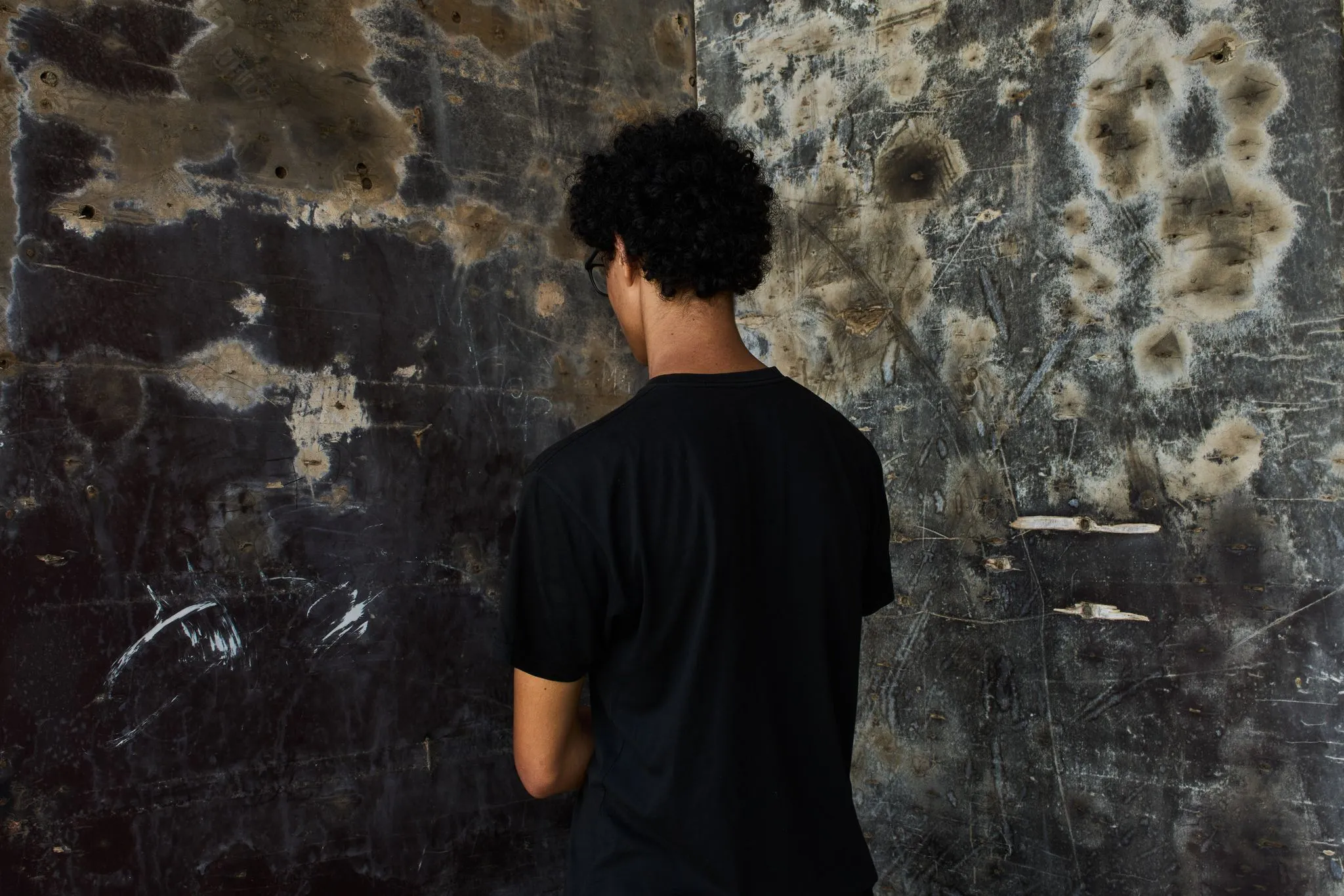
In early October, a heartbreaking scene unfolded in Ceuta, Spain, where hundreds of teenage migrants gathered outside a local church, hoping for a glimmer of hope from the visiting Spanish Minister of Youth. Many were unaccompanied minors who had fled dire circumstances in their home countries, particularly northern Morocco. Among these vulnerable youths was a 17-year-old aspiring model, who, for safety reasons, chose to remain anonymous. He, like many others, had endured two months of hardship, sleeping on cardboard sheets and tattered sofas within makeshift tent camps or on the streets of this Spanish enclave that juts into the Mediterranean. The stark reality for these youths, many of whom arrived in late July during what has become Spain's deadliest border crisis, is a somber reminder of the challenges faced by migrants seeking a better life.
Despite their hopes, the minister's visit did not yield the promised assistance. Instead of receiving the much-needed support, the teenagers were led away from the church to a nearby soccer field, only to find themselves back on the streets within hours. This incident highlights the Spanish government's sluggish and often makeshift response to the ongoing migration crisis. Under Spanish law, unaccompanied minors are entitled to shelter, healthcare, and educational opportunities, yet the authorities seem overwhelmed and unprepared, leaving many to fend for themselves in an unfamiliar and hostile environment.
The Plight of Unaccompanied Minors
As the situation in Ceuta deteriorates, makeshift camps have sprung up on beaches, in warehouses, and along hillsides, where tens of thousands of individuals have settled since the tumultuous summer crossing. Tragically, around 140 people lost their lives attempting to reach Spain, and while many migrants left shortly after arriving, the exact number who remain is unknown. Reports indicate that several thousand individuals are still living in deplorable conditions, with some camps characterized by unsanitary environments and a lack of security. Young children, some as young as 13, are forced to share cramped and dangerous spaces with older male migrants, and violence frequently erupts among residents.
Spanish authorities are currently facing scrutiny over allegations of mistreatment and abuse of migrants, particularly minors. Investigations are ongoing, with human rights organizations such as Amnesty International documenting instances of inhumane treatment by Spanish soldiers. The psychological toll on these minors is immense, as illustrated by the experiences of the 17-year-old model who, after initially finding shelter in a garage, was forced back to the streets due to financial constraints. He recounted instances of violence and threats, leaving him questioning his decision to stay in Ceuta, yet feeling unable to return to Morocco, where opportunities are scarce and dismal.
Political tensions regarding the handling of these minors have also escalated, with conflicting messages between local and national governments. While Spain's national government has allocated substantial funding to support the processing of minors, Ceuta's local authorities argue they lack the necessary resources to provide adequate care. The discrepancy in reported numbers of remaining migrants adds to the complexity of the situation, with estimates varying widely and human rights advocates calling for a transparent registry of all minors.
As conditions worsen, many young migrants are growing increasingly desperate. The aspiring model and his peers have resorted to staging small demonstrations, pleading for assistance and protection from the Spanish authorities. Their cries for help echo across the streets of Ceuta, highlighting the urgent need for a humane response to this ongoing crisis. With police actions further complicating the situation, the uncertainty surrounding their futures weighs heavily on these young individuals who simply seek safety and a chance to thrive.
As reported by thehour.com.