
Migrants' Harrowing Journey from Morocco to Ceuta
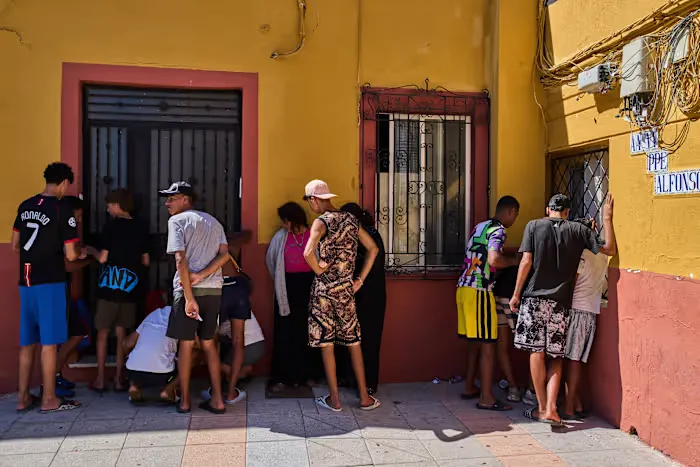
In recent days, a significant surge of migrants, including many unaccompanied minors, crossed the border from Morocco into the Spanish enclave of Ceuta. On August 4, 2026, families gathered at the Moroccan border, desperately searching for their loved ones among the returning migrants. As each individual returned, they were met with anxious faces, filled with hope and trepidation, as families inquired about the whereabouts of their sons, daughters, and siblings. This mass migration, which saw approximately 72,000 people attempting the perilous crossing, was driven by severe economic hardship and fueled by rampant online speculation suggesting that the border was open. Tragically, this crisis has resulted in over 80 fatalities on both sides of the border, as individuals sought to swim or scale fences in an attempt to reach safety and a better life.
The Uncertain Fate of Missing Migrants
As the initial wave of migrants returned to Morocco, many families held onto photographs of their missing relatives, desperately hoping that someone might recognize a familiar face. The emotional toll of this search is evident; one mother, Ibtissam Chari, shared her anguish over her son Rayan, who had contacted her upon arrival but had since disappeared. Another mother spoke quietly of her 12-year-old son, who crossed into Ceuta with his older brother, only for the latter to return alone. "I have nothing else to do but come here and wait," she lamented, emphasizing her commitment to return daily in search of news. Meanwhile, an estimated 1,000 minors remain in Ceuta, their futures uncertain as Spanish authorities are not permitted to expel them. The fate of many remains unknown, with conflicting reports regarding the number of deceased individuals recovered and returned to Morocco.
To further complicate matters, the Moroccan authorities have sealed a small gap in the border fence that previously allowed returning migrants to cross back into their home country. Social media has transformed into a tool for families in crisis, with Facebook groups that once provided information about crossing routes now serving as platforms for posting photographs of missing individuals. The persistent dream of migration continues to haunt many young Moroccans, where aspirations for a better life in Europe clash with the harsh realities of poverty and unemployment.
As reported by wsls.com.