Digital Africa: Bridging Ambitious Goals and Ground Realities
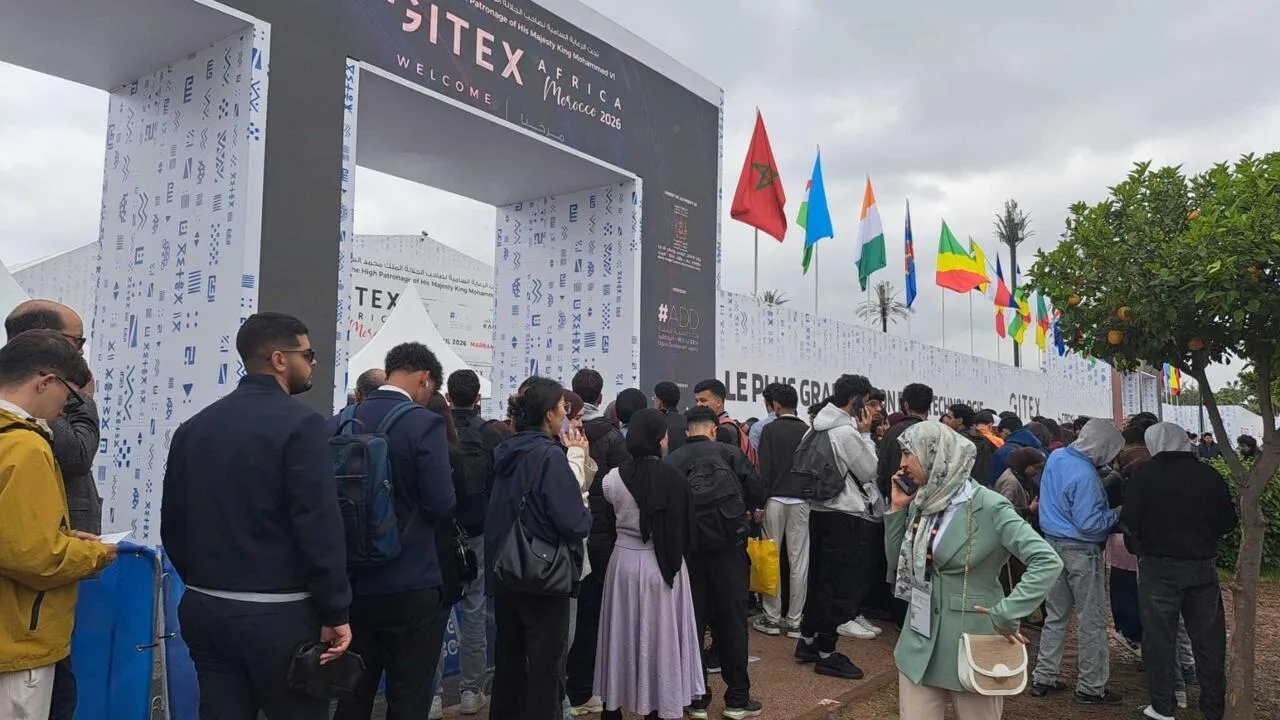
In the vibrant city of Marrakech, Morocco, the Gitex Africa 2026 event took place from April 6 to 9, showcasing the continent’s evolving tech landscape and the growth of artificial intelligence (AI). The gathering served as a platform to discuss pressing issues such as data sovereignty, funding, rural inclusion, African languages, and region-specific models. Hosted by Bruno Faure of RFI, the event featured a diverse group of speakers who analyzed the strategic challenges and opportunities facing Africa's digital transformation.
Gitex Africa, organized by the Dubai World Trade Centre, is a significant annual event that combines exhibitions and conferences aimed at advancing digital transformation across the African continent. This year, it attracted nearly 50,000 participants, including over 1,400 exhibitors from more than 130 countries, reflecting the growing interest and investment in Africa's tech ecosystem.
Key Discussions and Insights
A range of esteemed guests contributed their insights during the event. Amal El Fellah Seghrouchni, Morocco's Minister of Digital Transition and Administrative Reform, emphasized the importance of developing an African model for AI rather than merely replicating existing frameworks from the U.S., China, or Europe. She advocated for the establishment of an Arab-African digital hub, akin to a continental European Commission, focusing on language models that incorporate previously underrepresented dialects such as Darija and Amazigh. Collaborations with companies like Mistral AI aim to create language models that resonate with local realities.
The discussion also touched upon the significant gap in representation of African languages in global AI development. Many dialects, including Bambara, Duala, Wolof, and Darija, are notably absent from AI datasets, leading to biases that exclude entire communities from technological benefits. African startups are stepping up to fill this gap by training models in these languages, a responsibility that larger foreign platforms have yet to address.
Inclusion of rural populations was highlighted as a crucial issue, particularly in countries like the Democratic Republic of the Congo (DRC), where 40 to 50 million people remain unconnected. Steven Bedi, founder of Tylimmo, argued that the focus should not solely be on spectacular digital transformations but rather on addressing basic needs such as payment systems, housing, and transportation. The success of mobile money platforms, which originated in Africa and are now envied by European systems for their efficiency, exemplifies how localized innovation can drive economic activity, with an impressive $26 billion circulating annually on platforms like M-Pesa in the DRC.
Funding continues to be a critical barrier for African startups. Unlike Silicon Valley, where funding is often accessible with innovative ideas alone, African entrepreneurs frequently need to demonstrate a solid customer base and revenue before securing investment. Companies like Vodacom are playing a pivotal role in this ecosystem by providing resources, opening APIs, funding incubators, and supporting young entrepreneurs. For instance, Weego successfully raised over a million dollars to expand its intelligent mobility solutions into Morocco, Senegal, and Côte d'Ivoire.
Moreover, the event highlighted international models from countries like South Korea and the United States. The Korea Africa Foundation, established in 2018, aims to inspire African youth by focusing on climate tech and agritech, sectors where Korean technology has advanced significantly and where demand in Africa is growing. The collaborative culture prevalent in the U.S., which encourages knowledge sharing and acceptance of failure, also attracted attention, emphasizing the importance of community and support in fostering innovation.
As reported by rfi.fr.