
Understanding Morocco's Digital Transformation Journey
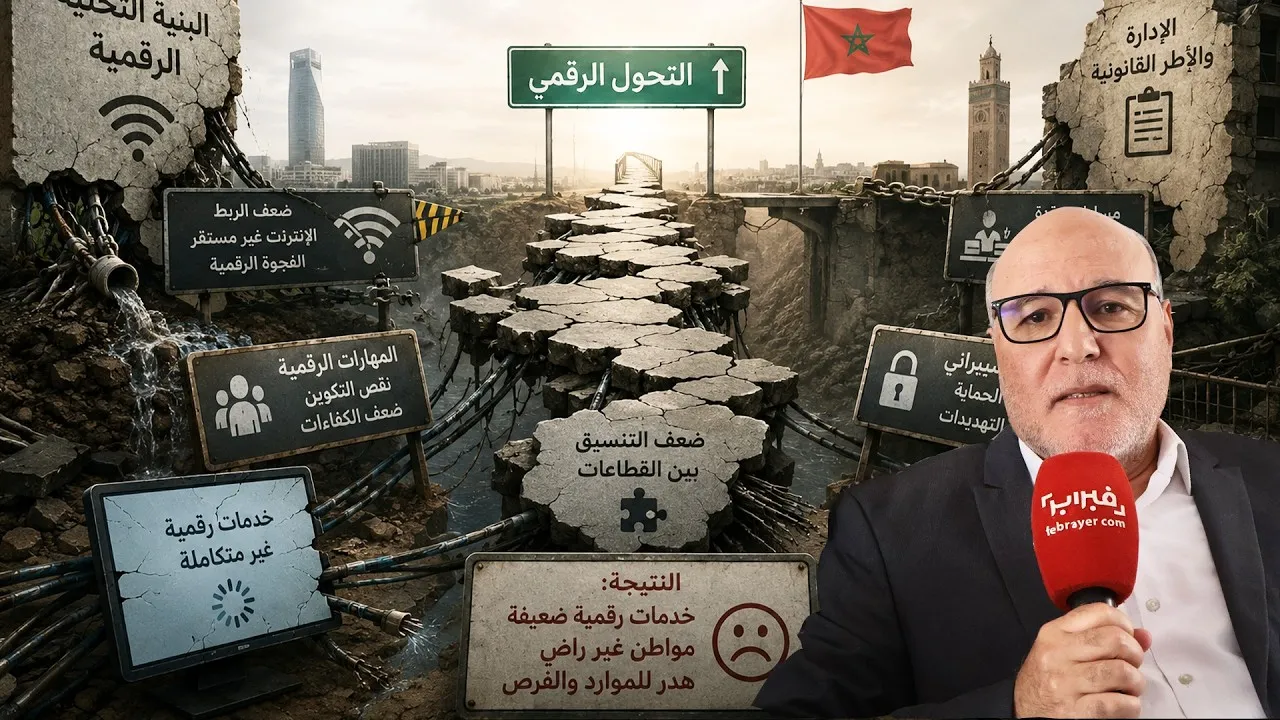
The digital transformation in Morocco represents a significant leap towards integrating modern technology into various sectors, reflecting the country's ambition to position itself as a competitive player in the global digital economy. Expert Said Al-Ghamaz emphasizes the urgency of accelerating the implementation of the "Digital Morocco 2030" strategy. This initiative aims to leverage digitization as a crucial indicator for attracting investments and fostering economic and social development. The overarching goal is not merely to adopt technology but to cultivate a new digital culture that enhances trust in digital services, thereby engaging civil society and national associations in this national project.
Challenges and Opportunities in the Digital Landscape
Despite the promising trajectory, several challenges hinder Morocco's digital transformation. The gap in technological training and regional disparities threaten to widen the digital divide between urban and rural areas. Comprehensive digitization requires equitable access to internet services and digital infrastructure across all regions. Furthermore, integrating artificial intelligence into vital sectors such as education, healthcare, and business management is critical, as it serves as a fundamental driver of economic competitiveness in the coming years. The potential of technology to increase the Gross Domestic Product (GDP) by approximately 100 billion dirhams and create around 300,000 jobs in digital technology sectors highlights the immense benefits that successful implementation could yield. However, achieving these ambitious targets necessitates regular and transparent evaluations to measure progress and ensure adherence to the outlined objectives.
As Morocco approaches 2026, it is essential to provide interim assessments of the digital strategy's effectiveness. The experiences of other nations, like China and India, demonstrate the importance of self-assessment and recognizing weaknesses before moving forward with developmental phases. The success of Morocco's digital transformation hinges on its ability to swiftly address existing barriers while ensuring that all citizens can access the benefits of this digital shift. In conclusion, while Morocco possesses the necessary human and economic resources to capitalize on digital opportunities, the realization of this historical chance is contingent upon overcoming challenges and ensuring digital equity for all citizens.
As reported by youtube.com.