
Health Ministry Reports Diphtheria Cases in Souss-Massa
The Moroccan Ministry of Health and Social Protection has confirmed the emergence of two small family clusters of diphtheria in the Souss-Massa region. The first cluster is situated in the prefecture of Agadir Ida-Outanane, while the second has been identified in the province of Chtouka Aït Baha. As of now, only one case has been validated through laboratory tests, but the health authorities are investigating eight additional cases that are pending biological confirmation. Alarmingly, among these, two fatalities have been reported.
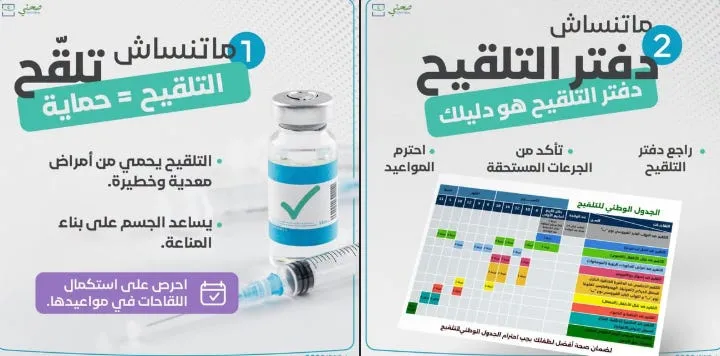
One of the deceased is a 12-year-old girl from a rural community who experienced severe symptoms, including a high fever and respiratory difficulties, before being transferred to a hospital in Marrakech. Tragically, after testing positive for diphtheria, the girl succumbed to the illness. It is noteworthy that she had not received the diphtheria vaccine during her childhood, highlighting the critical importance of vaccination in preventing such infections.
Understanding Diphtheria and Its Transmission
Morocco had been free of diphtheria cases for over two decades, making the recent occurrences particularly concerning. Diphtheria is an acute bacterial infection primarily caused by the bacterium Corynebacterium diphtheriae. The danger of this disease is not only linked to the presence of the pathogen itself but significantly increases due to the secretion of a highly potent toxin known as diphtheria toxin.
The respiratory form of the disease is the most prevalent and poses the greatest risk to health. It typically presents with symptoms such as a high fever, severe sore throat, neck swelling, and a persistent cough. A characteristic feature of this form is the formation of grayish, adherent pseudomembranes in the throat, which can obstruct airways and lead to asphyxiation. Though there exists a cutaneous form of diphtheria, it is relatively rare and generally less severe.
Diphtheria primarily spreads through direct airborne transmission, facilitated by droplets released during coughing, sneezing, or even speaking. It can also be transmitted through direct contact with skin lesions or contaminated objects, albeit less frequently. Given the current situation, health officials are urging the public to be vigilant and consider vaccination to mitigate the risks associated with this serious infection.
As reported by outbreaknewstoday.substack.com.